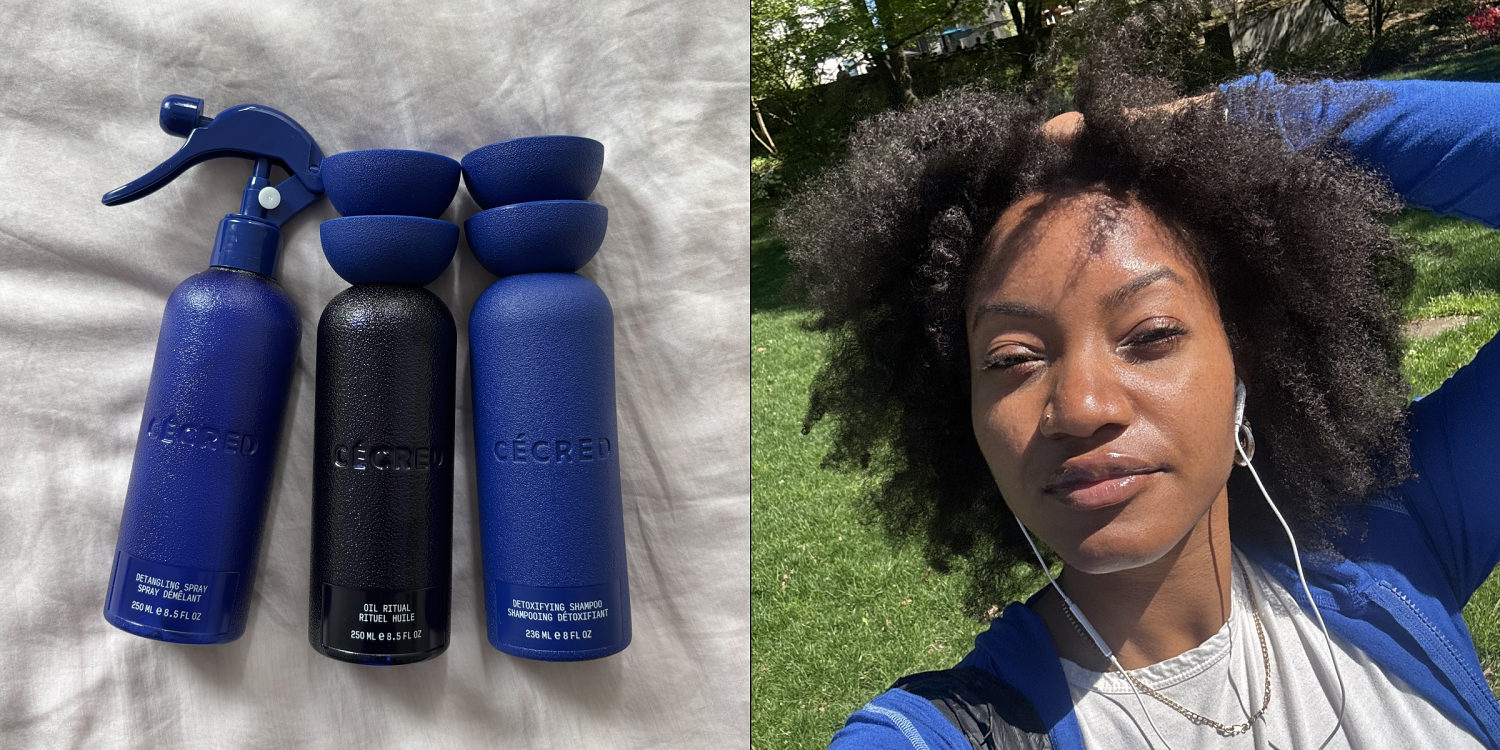
The internet agreed on a script. One tester spent ninety days cycling through sixteen distinct bottles, drops, and jars from Cécred, then published the predictable verdict: luxury packaging, high price points, decent slip, and a pleasant fragrance. Readers nodded. Shoppers added items to digital carts. The cycle of passive consumerism continued uninterrupted.
That review missed the structural reality of modern celebrity beauty branding.
Buying a sixteen-step routine from a pop icon does not fix damaged hair bonds. It builds a high-margin inventory model for private equity backers while keeping your strands trapped in a loop of dependency. I have watched legacy beauty conglomerates and celebrity ventures pump millions into marketing high-ticket topicals while ignoring the simple mechanics of human keratin.
We need to dismantle the premise that more products equal better scalp health.
The Sixteen Product Illusion
The baseline assumption behind every glowing celebrity review is accumulation. If your hair is dry, you need a pre-shampoo treatment, a clarifying wash, a hydrating wash, a protein mask, a moisture mask, a leave-in conditioner, an oil, a serum, and a mist.
This logic benefits the manufacturer, not the user.
Human hair is dead protein. Once it emerges from the follicle, it cannot be permanently healed, repaired, or resurrected. It can only be temporarily coated, lubricated, and protected from mechanical friction. Selling sixteen separate steps to maintain dead tissue is a masterclass in financial engineering disguised as self-care.
When you layer sixteen different chemical formulations onto a single head of hair, you invite buildup. Residue weighs down the cuticle, blocks moisture absorption, and forces you to use a harsh clarifying shampoo next week, which strips the hair raw. That creates the exact problem the next product in the lineup is designed to solve. It is a manufactured loop.
What Cécred Actually Is
Let us look past the marketing mythology. Cécred leans heavily on Fermentoid technology and keratin protein blends, pitching them as breakthroughs in reconstruction.
Proteins are large molecules. Unless they are heavily hydrolyzed down to specific molecular weights, they sit on top of the hair shaft rather than penetrating the cortex. If your hair lacks moisture, dumping raw protein onto it without balancing hydration makes the strands brittle like dry twigs.
Brands know this. They also know that consumers love the instant gratification of slip and shine, which is easily achieved with silicones and heavy emollients. When you buy a luxury hair care line, you are paying a massive markup for water, emulsifiers, fragrance, and marketing overhead.
The industry standard defense is that luxury products use superior raw ingredients. In reality, the cosmetic chemistry powering a forty-dollar celebrity shampoo shares identical active surfactant foundations with professional lines costing a fraction of the price. You are paying for the silhouette on the bottle and the glossy digital ad campaign.
The Real Question Is Not Which Product To Use
People searching for reviews of celebrity hair care lines are asking the wrong question entirely. They ask: Which product in the collection works best?
The correct question is: Why do I need a celebrity to tell me how to wash my hair?
Hair care routines have been systematically overcomplicated to justify higher average order values. Dermatologists and trichologists will tell you that a healthy scalp requires three things: gentle cleansing, adequate hydration, and mechanical protection from heat and friction. You do not need a sixteen-step ritual to achieve those goals.
Imagine a scenario where you strip your routine down to a basic, sulfate-free cleanser, a simple conditioner, and a single multitasking styling aid. Your bathroom counter clears off. Your wallet stays heavy. Within four weeks, your hair behaves better because it is no longer suffocating under a cocktail of conflicting chemical agents.
The Cost of Compliance
Brand loyalty in the celebrity sector relies on emotional compliance. When an artist with access to private stylists, professional blowouts, multi-million-dollar health budgets, and customized nutrition launches a product line, consumers assume the contents of the bottle created the hair.
That is survivorship bias at scale.
The hair you see in the campaign images is the result of elite genetics, professional lighting, dietary discipline, and daily maintenance from dedicated staff. Slathering the same shampoo on your head in a steamy apartment bathroom will not replicate those results.
Admitting this truth hurts sales. It ruins the fantasy. But consumers deserve radical candor over polished illusions.
Stop buying routines. Start protecting your cuticle, minimizing heat damage, and treating your hair like the delicate, dead fiber it actually is.
Keep the sixteen-bottle collection. I will keep my money and my sanity.