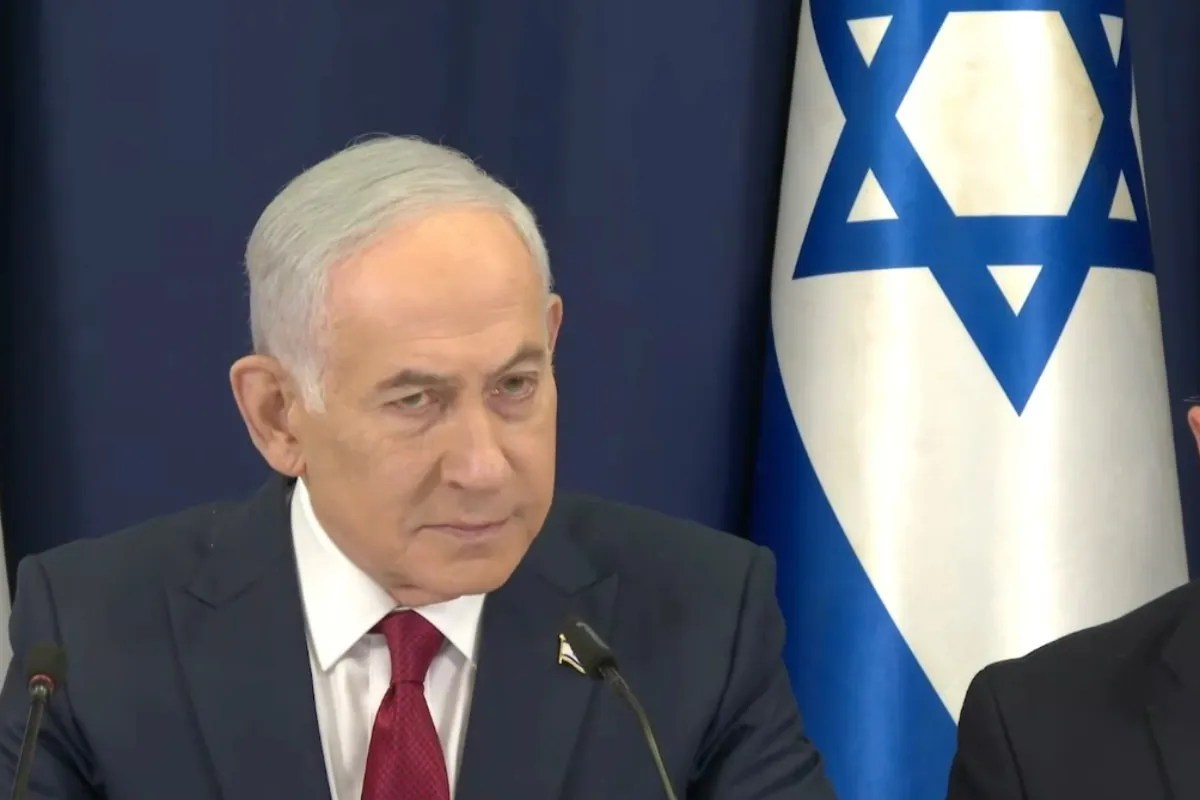
Middle Eastern geopolitics rarely sees a moment of absolute calm, but recent pronouncements from Israeli leadership highlight a sharp strategic shift. When Prime Minister Benjamin Netanyahu publicly stated that Israel stands as the most powerful nation in the region and that its adversaries are weaker than ever, he wasn't just throwing political rhetoric around. He was pointing to a calculated recalibration of power dynamics that has unfolded across multiple fronts over recent years.
If you look past the daily headlines of skirmishes and diplomatic standoffs, a deeper transformation is reshaping the region. For decades, the conventional wisdom held that Israel was a nation constantly surrounded by hostile forces capable of overwhelming its defenses through sheer numbers or synchronized proxy warfare. Today, that narrative faces a severe reality check. Years of intense military friction, intelligence breakthroughs, and strategic deterrence have drastically altered the balance of power.
The Shifting Balance on Multiple Fronts
To understand why leadership in Tel Aviv expresses such confidence, you have to examine the state of Israel's traditional adversaries. Groups like Hamas and Hezbollah, once viewed as formidable, deeply entrenched threats capable of dictating the terms of engagement along the borders, have suffered immense structural damage. Their command structures, rocket arsenals, and logistical supply chains took severe hits during prolonged campaigns.
Beyond non-state actors, the broader regional architecture involving state sponsors like Iran has also experienced a strategic reversal. Tehran's ambition to encircle Israel through a network of allied militias faced systematic pushback. Rather than finding Israel isolated, the regional power play forced a re-evaluation among neighboring states, many of which recognize that stability and security depend on containing mutual threats rather than indulging in endless hostility.
Domestic Realities and Political Pressures
Of course, grand declarations from the podium rarely tell the whole story without looking at the domestic pressure cooker. Netanyahu's aggressive posture and proclamations of strength also serve a domestic purpose. Navigating a fractured political landscape—marked by tight parliamentary counts, coalition struggles, and intense scrutiny over security management—requires projecting unyielding strength to the public.
Critics argue that emphasizing external threats or projecting absolute dominance is a classic political maneuver to consolidate unity during times of legislative gridlock. When a country is locked in a perpetual state of high alert, political survival often aligns with projecting an image of an indispensable wartime leader. Yet, even political opponents rarely dispute the baseline military reality: Israel's technological superiority, intelligence reach, and tactical capability remain unmatched in the immediate neighborhood.
What This Means for the Future of the Middle East
Claiming supremacy doesn't mean the era of conflict is over. In a region as volatile as the Middle East, a weakened enemy is not a disappeared enemy. Complacency has historically been fatal for military planners in Jerusalem. The underlying grievances, ideological hatreds, and proxy networks haven't vanished; they've simply been forced to adapt.
The real test for Israel moving forward isn't whether it can win military engagements—it has proven time and again that it can. The true challenge lies in translating military dominance into lasting diplomatic stability. Relying solely on the sword has limits, and long-term security requires building durable alliances that can withstand shifting global superpowers and internal political volatility.
The battlefield has changed, and so has the calculus of survival. Whether this current posture of strength brings a lasting deterrence or merely sets the stage for the next cycle of tension depends entirely on how effectively regional players read the new power map.