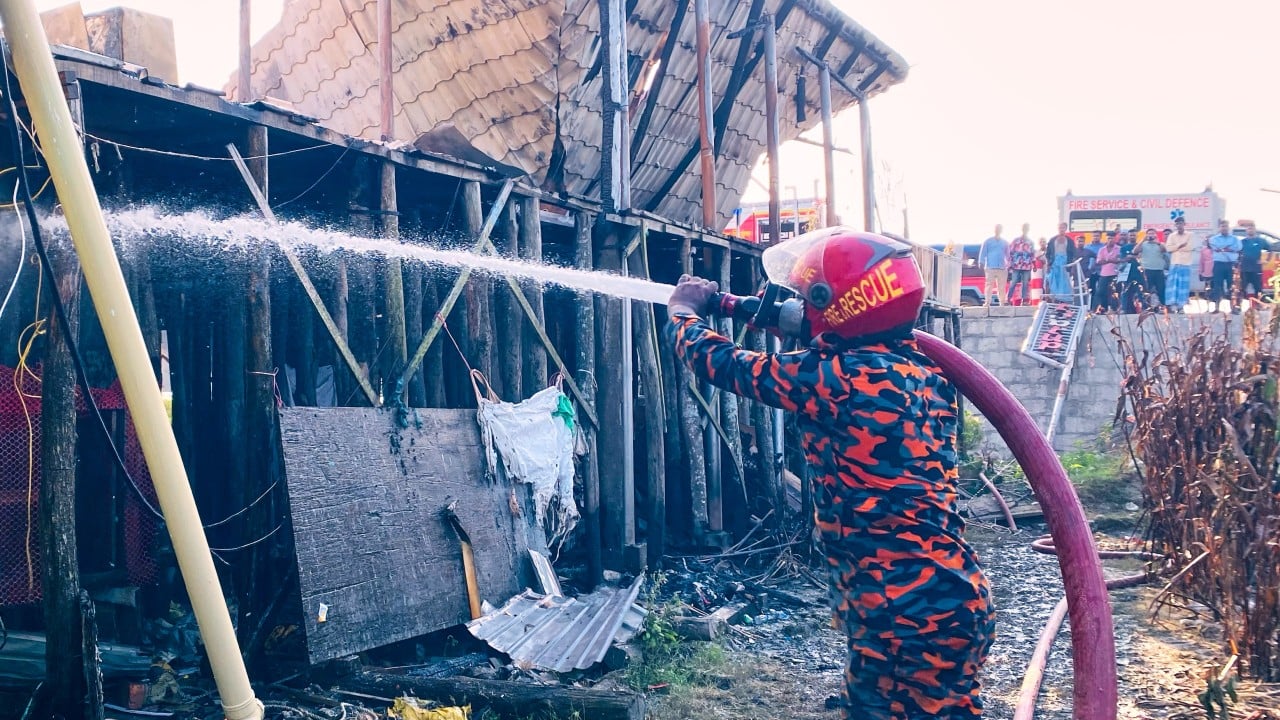
Every time a tragedy like a beach resort fire in Bangladesh kills ten people, the headlines write themselves. Tragic. Devastating. Inexplicable. Then come the predictable demands for stricter inspections, thicker sprinklers, and louder alarms.
Those demands sound reasonable. They are also lazy.
Worse, the standard resort-safety playbook often makes guests less safe while giving owners a dangerous illusion of compliance. When a coastal property burns and ten lives are lost, blaming a single faulty wire or an absent fire extinguisher lets the entire hospitality model off the hook. A beach resort is not a concrete office tower in downtown Dhaka or a glass hotel in Midtown Manhattan. Treating it like one is a fatal category error.
Having consulted on hospitality risk, coastal construction, and emergency egress across South and Southeast Asia for over fifteen years, I have watched property developers pour fortunes into hardware that fails the moment salt air, timber frames, monsoon humidity, and midnight panic collide. I have seen resorts pass municipal checklists on paper while trapping sleeping families behind deadbolts and decorative thatch.
The real killer in a coastal resort fire is rarely the first spark. It is the architecture of complacency.
The Lazy Consensus That Keeps Failing on the Coast
Coverage of a resort fire almost always settles into a comforting script. Officials promise an investigation. Commentators ask why the building lacked modern fire suppression. Travelers wonder how a vacation spot could turn into a trap.
That consensus misses the mechanics of what actually happens inside a coastal resort during a fire.
First, water pressure on remote or semi-remote shorelines is notoriously unreliable. A wet-pipe sprinkler system sounds reassuring on a blueprint. In the real world, coastal aquifers run brackish or low, municipal lines drop pressure during peak tourist hours, and backup diesel pumps sit unmaintained in humid utility sheds. If a sprinkler head opens without sustained flow and pressure, it does not extinguish a fast-moving blaze; it just makes the floor slick while smoke overtakes the corridor.
Second, coastal design celebrates open airflow and natural materials. Bamboo, nipa palm, untreated hardwood, rattan screens, and breezy open-air walkways are why people book a beach getaway in the first place. They also create an oxygen-rich environment with continuous fuel loads. A flame front moving across dry thatch and seasoned timber does not wait politely for a local fire brigade to navigate narrow coastal roads or beachside congestion.
Third, human behavior ruins theoretical evacuation plans. Guests on vacation do not know the layout the way commuters know an office floor. They wake up disoriented in pitch dark, often after a long travel day or a few drinks by the water. They reach for their passports, phones, and bags. They walk toward the light or the familiar entrance rather than a dimly lit side stair blocked by locked storage or beach gear.
If you focus only on "better equipment" or "stricter fines," you are fighting last century's war. The core question is not How do we make a beach resort act like a high-rise? The core question is How do we design and operate a low-rise, high-combustibility coastal property so people can get out alive in under ninety seconds?
Dismantling the Questions Everyone Else Is Asking
When a fatal resort blaze hits the news, search bars fill up with the same predictable questions. Most of them start from a broken premise.
"Why don't resorts just install sprinklers and alarms everywhere?"
Because technology cannot out-vote physics and neglect.
In fire protection engineering—work heavily shaped by standards from the National Fire Protection Association (NFPA) and real-world post-incident forensics analyzed by organizations like the Institution of Fire Engineers—active suppression is only as good as its water supply, power supply, and maintenance discipline. A smoke alarm with a chirping battery or a silenced zone is worse than no alarm at all; it trains staff to ignore warnings.
On a coastal property, salt corrosion eats away at sensors, junction boxes, and valves far faster than inland planners expect. An inspection sticker on a clipboard proves someone visited on a Tuesday. It does not prove a valve will open at 2:00 a.m. during a storm surge.
"How can guests protect themselves when staying at a beach resort?"
Most travel blogs tell you to pack a portable doorstop or count the doors to the exit. Those tips are fine, as far as they go, though they ignore how people actually behave under acute stress.
Nobody wants to feel like a hostage at a beachfront bungalow. Still, basic situational awareness takes thirty seconds at check-in and saves minutes in smoke. Look out your window or balcony the moment you enter the room. Know whether you are on the ground floor, on stilts over sand, or up a wooden stair. Notice whether there is a second way out or a drop low enough to survive if the main door is blocked by heat.
Keep your room keycard, phone, and a pair of sturdy shoes in the exact same spot every night. Bare feet on hot debris or broken glass slow you down when every second counts. And if you smell smoke or hear a real alarm, leave your luggage. A replacement passport is a bureaucratic headache; smoke inhalation is permanent.
"Are coastal resorts inherently unsafe compared to city hotels?"
No—they carry a different risk profile, not an automatic death sentence.
A high-rise in a dense city carries vertical evacuation challenges, elevator traps, and stack-effect smoke movement across dozens of floors. A beach resort usually has fewer stories and direct proximity to open air, sand, or water. Its advantage is horizontal and low-level escape. Its vulnerability is rapid fire spread through lightweight, combustible structures, delayed external firefighting response, and casual operational habits.
Calling a coastal resort "inherently unsafe" is lazy. Calling it "safe because it's small and near the beach" is lethal.
Imagine a Scenario Where Everything Goes Wrong at Once
Imagine a scenario where a mid-sized coastal resort in Cox's Bazar or a similar shoreline hub has twenty-four wooden-and-thatch chalets arranged along sandy paths. A small electrical fault starts behind a wall panel or near an overloaded mini-fridge around 1:30 a.m.
The night guard is dozing near the reception desk. The resort has no central fire-alarm annunciator that wakes every room simultaneously, or the alarm was turned down because false triggers kept annoying guests during humid nights. Within four minutes, dry palm thatch and varnished timber catch. Within eight minutes, thick, toxic smoke rolls across the walkway.
Ten people do not make it out.
Why did ten people die in a low-rise resort where the beach was fifty yards away? Not because the ocean was too far. Because early detection failed, egress paths were narrow or obstructed, staff had never run a timed night drill, and combustible finishes turned a manageable local ignition into a roaring envelope of heat and smoke before anyone even realized a fire had started.
That thought experiment is not pulled out of thin air. Every piece of it reflects patterns documented repeatedly in hospitality fire investigations worldwide: delayed detection, rapid flame spread on interior/exterior linings, compromised exits, and untrained night crews.
The Uncomfortable Truth About Codes, Insurance, and Cost
Here is the part of the conversation industry insiders whisper about behind closed doors instead of putting in press releases.
Safety costs money upfront and pays off invisibly. If a resort spends extra on fire-retardant treatments, non-combustible fire stops in ceiling voids, illuminated low-level exit signage, and 24/7 trained night shifts, its nightly room rate has to compete against cut-rate properties that skip those expenses.
Worse, enforcement in fast-growing tourism zones is often patchy. Operators sometimes treat licensing as a hurdle to clear once rather than a standard to maintain every single night. Even well-meaning owners get burned by contractors who cut corners on wiring gauges, cheapen out on emergency lighting, or lock back gates to stop beach trespassers or petty theft.
That security-versus-safety clash is huge. A locked service gate or padlocked utility corridor might stop an unauthorized visitor at midnight. It can also trap guests and staff trying to funnel away from a burning reception block.
Where My Contrarian Approach Can Backfire
If you push back against heavy hardware mandates and rigid high-rise checklists, you invite a real risk: owners using "low-rise coastal flexibility" as an excuse to do nothing at all.
Let me be blunt about that downside. If a developer hears "don't rely blindly on sprinklers" and translates that into "great, I don't need alarms, fire stops, or extinguishers," they are building a tinderbox. Operational discipline and smart passive design only work when paired with reliable early detection and basic suppression where appropriate. Going contrarian without engineering rigor is just recklessness with better vocabulary.
There is also a cost trade-off to watch. Designing compartmentalized low-rise units with proper fire barriers, non-slip egress routes, and rigorous staff training requires real capital and ongoing payroll. Some smaller properties will push back hard against those expenses. My answer to that is simple: if a business model only works by gambling with guests' lives at night, the business model is broken.
What Actually Works When the Heat Rises
Forget performative safety theater. If you build, run, invest in, or regulate a beach resort, focus on what moves the needle when smoke hits the room.
- Prioritize early detection that cannot be ignored. Interconnected smoke and heat detection that wakes occupants immediately—paired with visual strobes for heavy sleepers or hearing-impaired guests—buys the one resource guests always run out of: time.
- Break up the fuel load. Continuous thatched roofs and unbroken timber eaves act like fuses. Fire breaks, fire-retardant treatments where viable, and separation between high-risk utility/kitchen zones and sleeping quarters slow the spread so people aren't trapped in a single run of rooms.
- Keep exits idiot-proof at 3:00 a.m. Illuminated, low-mounted path markers, unlocked outward-opening egress routes (using proper life-safety hardware rather than padlocks), and clear sandy or paved walkways free of stored loungers and kayaks save lives when visibility drops to zero.
- Train the night shift like their lives—and their guests'—depend on it. A twenty-year-old front-desk clerk who has never practiced a night evacuation will freeze or waste precious minutes calling the owner instead of banging on doors and guiding guests to windward assembly points.
- Audit reality, not paper. Walk the property at night with the lights low. Check real water pressure, real emergency lighting duration, and real gate latches. Paper compliance is a fairy tale.
A beach resort should feel effortless, warm, and alive. Making it survivable does not require turning paradise into a concrete bunker. It requires honesty about coastal risks, respect for fire dynamics, and the discipline to fix the weak links before the first spark flies.
Stop mourning the headlines like acts of fate. Start fixing the traps hiding in plain sight.