You enter a packed venue, the bass shakes your chest, and the crowd surges around the stage. It's a classic Bangkok night out. But within seconds, a spark turns into an inferno, the lights cut out, and you're trapped in pitch blackness with suffocating smoke.
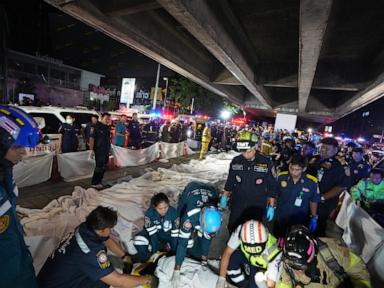
That nightmare became reality on July 13, 2026. A massive blaze ripped through the Rong Beer Na Lat Phrao pub in Bangkok’s northern Chatuchak district. It killed at least 27 people and left 63 others injured, with 22 fighting for their lives in critical condition.
The tragedy feels sickeningly familiar. We've seen this script play out before in Thailand, yet the same fatal building flaws keep killing clubbers.
The First Thirty Seconds of a Nightmare
The fire broke out just before midnight. According to a musician performing at the venue, the first sign of trouble was smoke pouring from a circuit breaker near the stage. Then, the venue lost power completely.
An explosion followed immediately. The pub, crammed with patrons, instantly filled with thick, toxic smoke. Singer Sukanya Wongwongwai, who rushed to the venue because her bandmates were performing inside, described a scene of total chaos. When the electricity failed, everything went dark, making it impossible for panicking people to find their friends or locate exits.
Firefighters arrived quickly and brought the flames under control within 30 minutes, but for dozens inside, that was already too late. Emergency workers wearing breathing apparatus navigated the charred interior, discovering a grim scene. Most of the bodies were clustered at the back of the pub near the restrooms. Patrons had fled there to escape the flames at the front stage, unaware that the building lacked emergency fire exits.
Why History Keeps Repeating in Thai Nightclubs
The Na Lat Phrao disaster isn't an isolated accident. It is part of a structural pattern of negligence in Thailand's nightlife industry.
Look back at the Mountain B pub fire in Chon Buri in 2022. That blaze killed 26 people. Investigators found that the venue lacked proper permits, used highly flammable acoustic foam that spread flames across the ceiling in minutes, and kept its rear exit doors locked.
Go back further to the infamous Santika Nightclub disaster on New Year’s Eve in 2009. That fire killed 66 people and injured more than 200. The cause? Indoor fireworks ignited the ceiling. The venue had no fire alarms, no functional sprinklers, and a single main exit door for hundreds of guests.
The structural failures at the Chatuchak pub match these past disasters completely.
- Single-exit bottlenecks: Patrons try to escape through the same narrow front door they entered, which quickly becomes blocked by flames or a crush of bodies.
- Locked or missing fire exits: Venues regularly lock rear doors to prevent people from slipping in without paying or to secure staff areas.
- Electrical overloading: Massive sound and lighting systems run on shoddy, uninspected wiring circuits.
How to Protect Yourself Next Time You Go Out
You shouldn't have to risk your life to enjoy a night out, but until enforcement catches up with safety codes, the responsibility falls on you. You need to inspect a venue the moment you walk in.
First, never enter a venue that has windows blocked by thick soundproofing material or concrete unless you can clearly see multiple, unblocked emergency exit signs. Second, look for the exits immediately upon arrival. Don't just note the main entrance; find the secondary escapes and physically check if they are chained or blocked by equipment. Finally, if you ever see sparks, smoke, or flickering lights near a stage or sound booth, don't wait for an announcement. Leave the building immediately. Thirty seconds is often the entire window you have to survive.