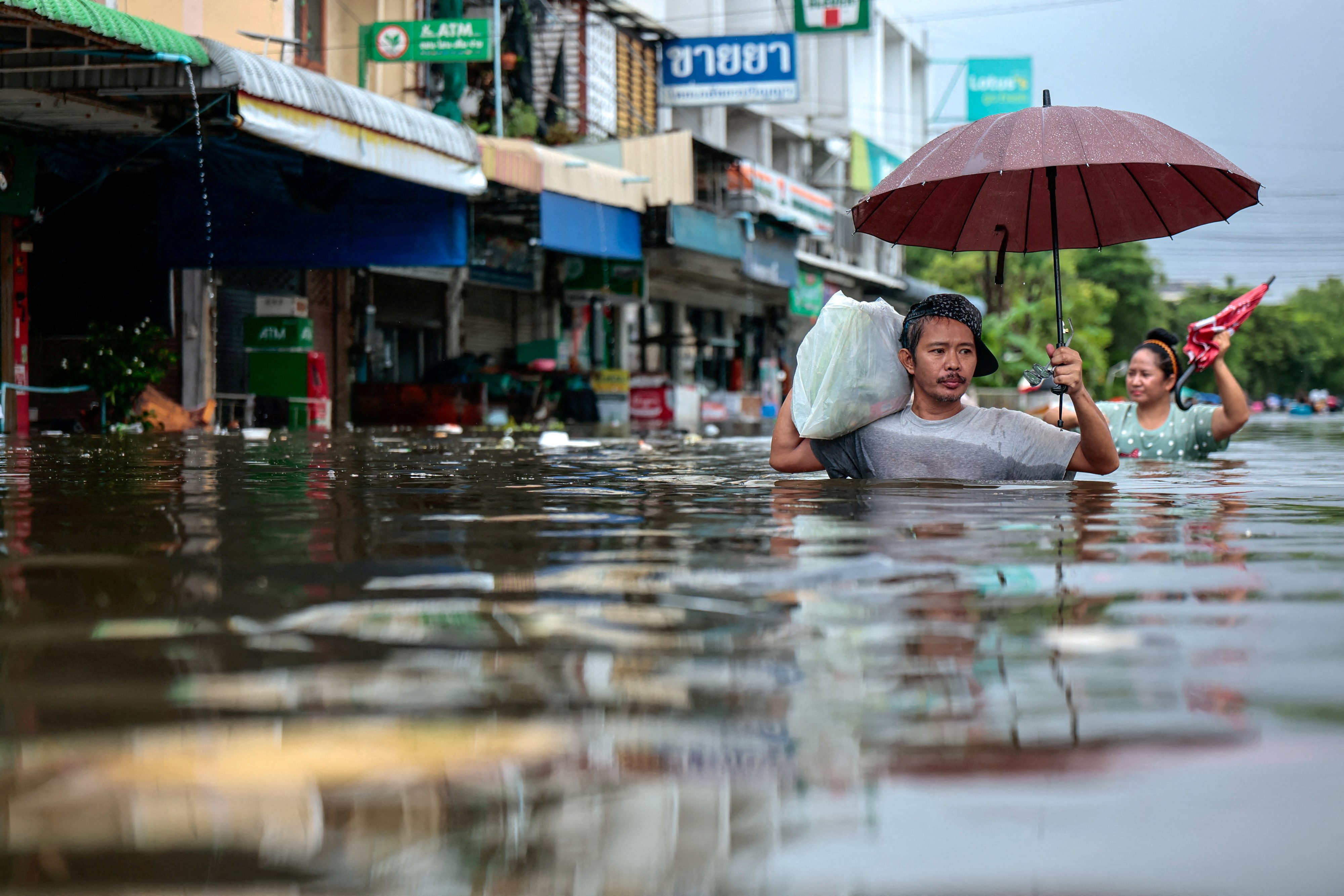
The skies over Bangkok finally cleared, but the water refuses to leave. When you watch thousands of families pack their belongings into small boats while muddy water laps at their doorsteps, you realize that the end of a rainstorm doesn't mean the crisis is over. Monsoon rains might ease off temporarily, yet low-lying neighborhoods remain submerged for days, sometimes weeks. This isn't just about heavy precipitation. It's about a sinking metropolis caught between rising seas, old drainage systems, and relentless urban development.
If you look at typical news coverage, you see the immediate drama. Boats navigating streets that used to be busy thoroughfares. People wading through murky water carrying groceries. But nobody talks about the structural failure that turns ordinary seasonal weather into an ongoing humanitarian headache. Bangkok's drainage network struggles to cope because the city itself is physically sinking into the soft clay of the Chao Phraya River delta.
The Geography Problem No One Fixes
Bangkok sits roughly 1.5 meters above sea level. That tiny buffer disappears entirely during high tides, heavy river runoff, and seasonal downpours. When millions of gallons of water rush down from northern Thailand toward the Gulf of Thailand, they have to pass right through the city.
Most people don't realize that Bangkok was built on swampland. Decades of heavy groundwater pumping combined with the sheer weight of concrete skyscrapers caused the land to subside by several centimeters every year. Parts of the city now sit below sea level. Gravity used to help flush rainwater out to the sea. Now, water has to be actively pumped uphill just to keep neighborhoods from turning into lakes.
City authorities deploy industrial water pumps around the clock during peak monsoon months. They dredge canals and build massive underground drainage tunnels designed to move millions of cubic meters of water away from residential zones. Yet, these engineering efforts often lag behind rapid real estate expansion. Every time a new housing estate or concrete parking lot replaces a natural retention basin or a water-absorbing marsh, the city loses another sponge.
Daily Life Inside a Sinking City
Living through a flood event in Bangkok changes your entire routine. Commuters trade motorbikes for pickup trucks or waist-deep walks. Small business owners build temporary wooden platforms inside their shops just to keep inventory dry. Schools shut down abruptly when access roads transform into rivers.
The psychological toll matters just as much as the property damage. Imagine waking up every morning to check the water level against your porch step. You keep your car parked on an elevated highway overpass miles away from your house because you cannot risk engine damage. You store extension cords and appliances on the second floor.
Local communities adapt because they have to. Neighborhood networks share real-time updates through chat apps, warning each other when a canal wall shows signs of stress or when the municipal pumping station loses power. Mutual aid keeps people fed and dry while municipal crews scramble to fix broken infrastructure.
What Actually Needs to Change
Fixing Bangkok's water crisis requires moving past temporary emergency responses. Sandbags and mobile pumps are Band-Aids on a chronic wound. Urban planners point to several hard truths the city must confront:
- Strict zoning laws must protect remaining retention areas and wetlands from being paved over.
- Drainage infrastructure needs a massive, coordinated overhaul that treats the wider metropolitan region as a single hydrological unit rather than a patchwork of competing districts.
- Land subsidence must be slowed down by strictly regulating groundwater extraction and enforcing smarter building codes.
Until these systemic shifts happen, thousands of residents will keep packing their bags every monsoon season. The rain might ease, but the water will stay.
Check your local district alerts daily, keep emergency supplies packed on higher shelves, and support community-led flood defenses if you live in vulnerable zones.

