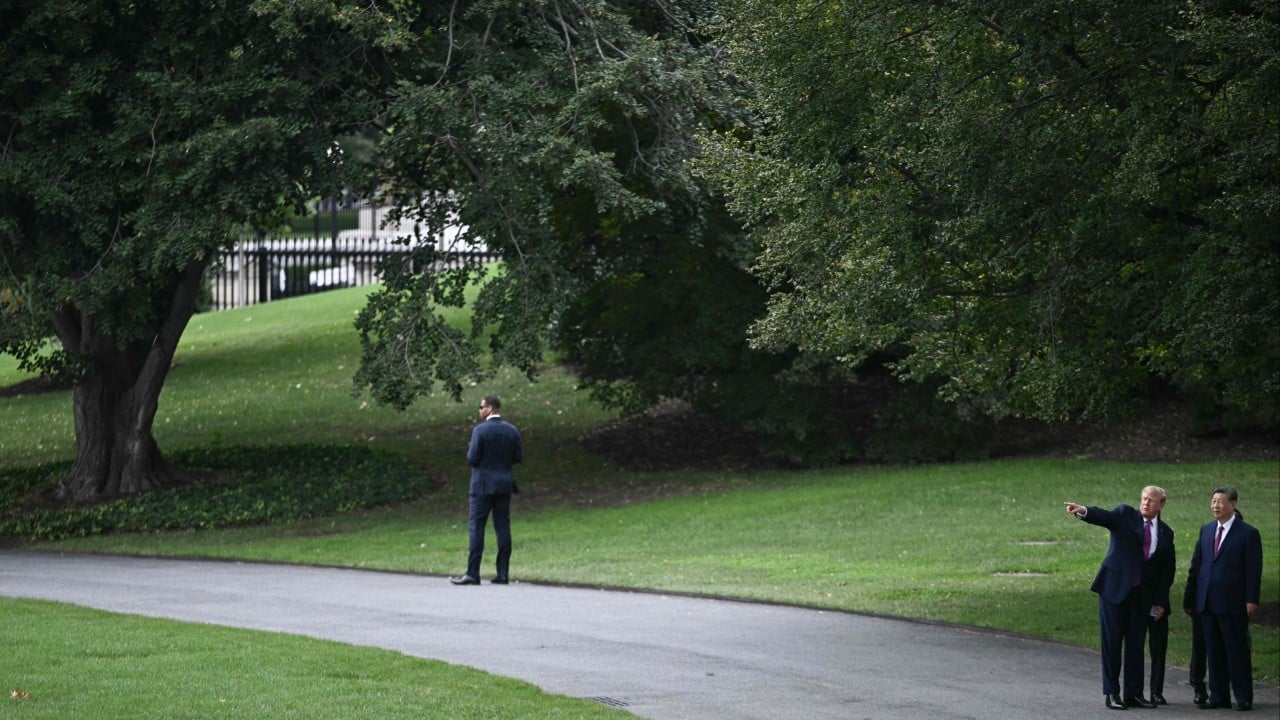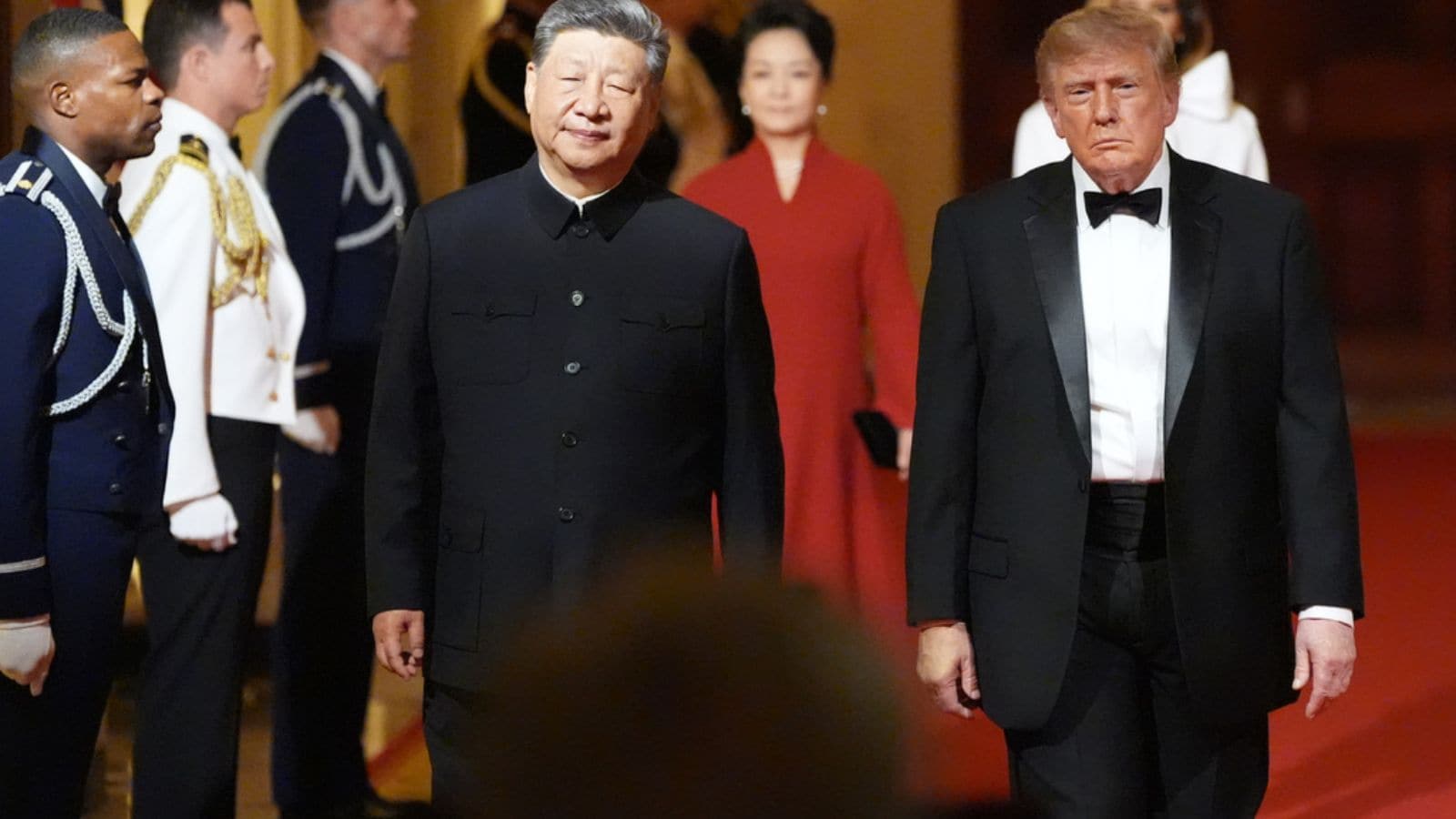
Every headline this week breathlessly treated a glass-and-brass raptor figurine like a geopolitical peace treaty. You read the standard wire copy: a porcelain-smiled photo-op, a rehearsed soundbite about ties never getting along better, and pundits nodding along to the scripted theater of great power choreography.
It is diplomatic performance art for an audience that refuses to look past the velvet curtains. Don't miss our earlier post on this related article.
While the media class hyperventilates over symbolic bird statues exchanged in front of flashing cameras, the structural decoupling of the global economy marches on without a speed bump. Anyone who believes a piece of diplomatic glassware alters the trajectory of sovereign competition fails to understand how modern superpowers actually wage conflict. They do not fight with gift-shop souvenirs. They fight with semiconductor export controls, sovereign debt accumulation, rare earth choke points, and infrastructure dominance across the Global South.
Strip away the flashbulbs and examine the underlying plumbing. TheLazy consensus among foreign policy commentators dictates that summit optics signal real rapprochement. This premise collapses under the weight of basic structural realities. Nations with fundamentally divergent security paradigms and zero trust do not reverse course because of a polite afternoon chat in a gilded hall. They posture for domestic consumption while quietly tightening the screws elsewhere. To read more about the context here, Reuters provides an in-depth breakdown.
Consider the baseline metrics that actually move markets and dictate national security priorities. Trade deficits, technology transfer restrictions, and maritime patrols in the South China Sea do not care about pewter birds. When industrial policy demands protectionism, no amount of summit cheer changes the math on supply chain redundancy. Companies spent billions untangling their manufacturing footprints from single-source hubs over the past few years. They are not reversing those moves because two aging executives smiled for the cameras.
The danger of the mainstream narrative is not just that it is naive. It is that it encourages catastrophic miscalculation. Executives who read these fluff pieces and decide to re-expose their portfolios to high-risk foreign entanglements based on a temporary thaw in rhetoric deserve the losses coming their way. I have watched mid-sized manufacturers bet their entire balance sheets on a diplomatic fake-out, only to get crushed six months later when new tariffs dropped overnight without warning.
Realpolitik is cold, quantitative, and utterly indifferent to symbolism.
Look at the technology sector. The invisible border wall between Western and Eastern tech stacks grows higher every single month. Compute clusters, generative models, advanced lithography systems, and aerospace components remain locked behind ironclad regulatory barriers. A president can hand over a zoo-gift shop ornament all day long, but the Bureau of Industry and Security will still deny your export license by Friday afternoon. The hardware restrictions are not a negotiation tactic; they are the baseline architecture of twenty-first-century statecraft.
Stop looking for signs of permanent friendship where none can structurally exist. The structural imperatives of both economies demand friction. One side needs to export industrial overcapacity to survive its domestic debt hangover; the other needs to protect its domestic manufacturing base from structural hollow-out. That is a zero-sum collision course. No sculpture changes the vector.
When the next trade restriction hits or the next naval standoff makes the evening news, remember how quickly the bird statue was forgotten. Stop trading on optical noise. Watch the ledgers, track the capital flows, and ignore the theater.