The Kinetic Logic of Regional Denial
Iran’s recurring threats to global shipping lanes in the Persian Gulf and the Red Sea represent a calculated application of asymmetric naval doctrine designed to offset traditional maritime superiority. The core thesis of this strategy rests on Kinetic Latency—the ability to hold global energy markets hostage through the credible threat of rapid, low-cost disruption. By positioning its naval and proxy forces at the Bab el-Mandeb and the Strait of Hormuz, Tehran creates a strategic pincer that exploits the structural vulnerabilities of the global maritime logistics chain.
The effectiveness of this posture does not rely on winning a conventional naval engagement against the United States or its allies. Instead, it functions through a Cost-Imposition Framework. Iran utilizes high-volume, low-cost assets—such as loitering munitions, fast attack craft (FAC), and anti-ship cruise missiles (ASCMs)—to force an adversary to expend high-cost interceptors and accept unsustainable insurance premiums for commercial transit.
The Three Pillars of Maritime Blockade Escalation
To analyze the probability and impact of an Iranian-led shipping disruption, the threat must be decomposed into three operational pillars:
1. Geographic Determinism and Bottleneck Exploitation
The Strait of Hormuz is a geographic anomaly that grants a littoral state disproportionate leverage over global trade. With a width of approximately 21 miles at its narrowest point and shipping lanes only two miles wide in each direction, the strait is a high-density target environment.
- The Depth of Field Limitation: Large tankers (VLCCs) have limited maneuverability. This lack of "space-room" makes them easy targets for swarm tactics where dozen of small, armed vessels overwhelm the target's Point Defense Systems (PDS).
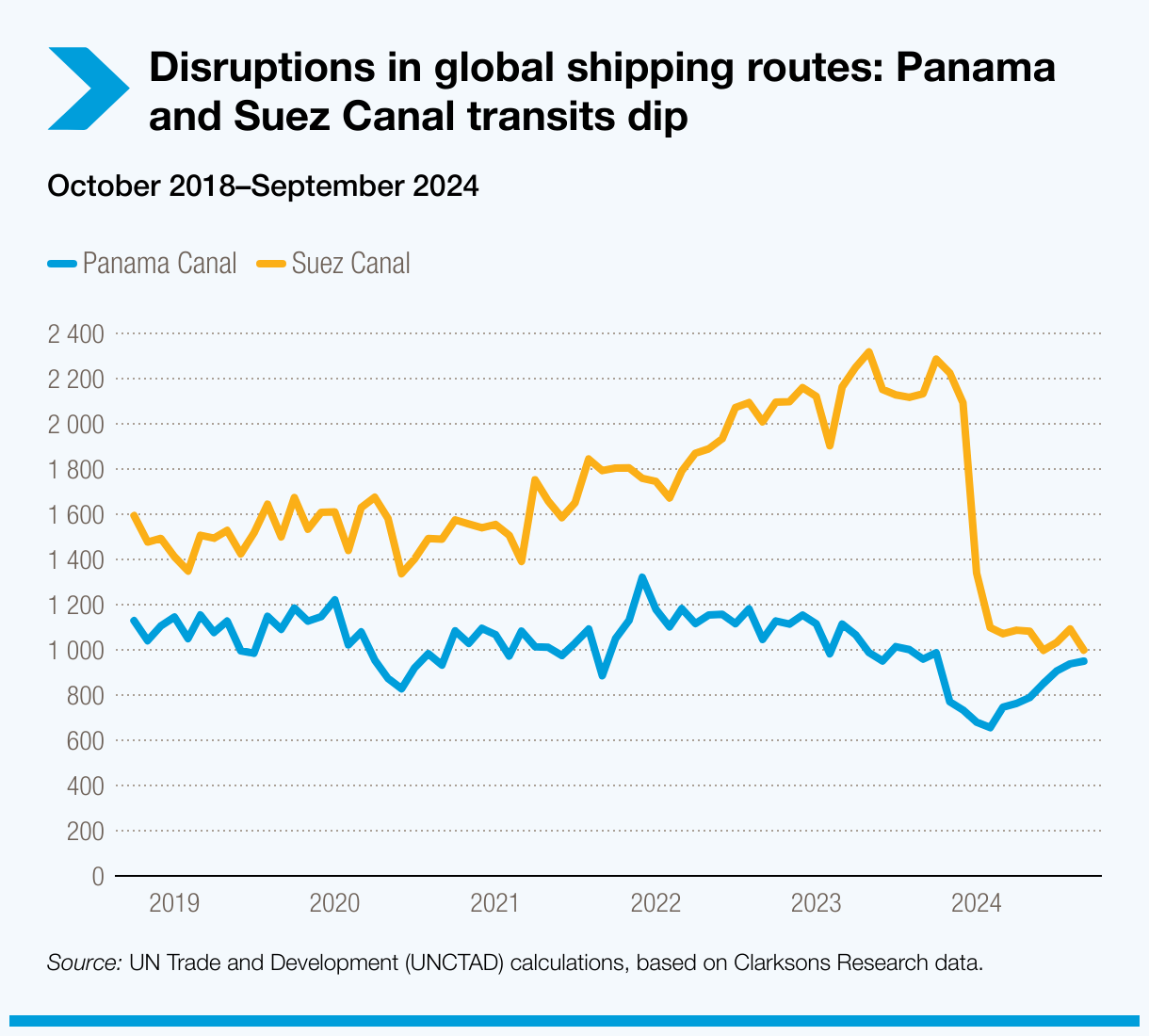
- The Proxy Extension: Through Houthi militants in Yemen, Iran has extended this geographic leverage to the Bab el-Mandeb. This creates a dual-front maritime challenge that stretches the surveillance and response capabilities of international task forces like Operation Prosperity Guardian.
2. The Asymmetric Weapons Mix
Iranian strategy shifts the burden of proof from "sinking" a ship to "deterring" the insurer. The weapons utilized are selected for their ability to saturate defenses:
- Loitering Munitions (Shahed-series): These provide long-range precision at a negligible cost ($20,000–$50,000 per unit). Their primary value is not destructive power, but the depletion of AEGIS-equipped destroyer magazines.
- Unmanned Underwater Vehicles (UUVs): Harder to detect than surface craft, these assets target the propulsion systems of commercial vessels, leading to "mission kills" that block channels without requiring the sinking of the hull.
- Anti-Ship Ballistic Missiles (ASBMs): The introduction of maneuverable reentry vehicles (MaRVs) in regional arsenals forces carrier strike groups to operate further offshore, increasing the response time to incidents within the littoral zone.
3. Economic Warfare via Insurance Volatility
The real target of a blockade threat is the Joint War Committee (JWC) of the London insurance market. When Iran threatens shipping, it initiates an immediate feedback loop in the maritime sector:
- Risk Premium Spikes: War risk premiums can jump from 0.01% to 1.0% of hull value in days.
- Rerouting Costs: Diversion around the Cape of Good Hope adds 10–14 days to transit times, increasing fuel consumption and tightening global vessel supply.
- Inventory Lag: For "just-in-time" manufacturing, a two-week delay is a catastrophic failure in the supply chain, leading to inflationary pressures far beyond the price of oil.
The Logistics of a Counter-Blockade Response
If the United States or a coalition attempts a "blockade" or severe interdiction of Iranian oil exports, the Iranian response is predicated on Escalation Dominance. Tehran’s military planners likely anticipate that they can sustain more economic pain than a politically fractured West.
The Interdiction Ratio
Defending a merchant vessel requires a 360-degree security bubble. In a swarm scenario, the Interdiction Ratio—the number of targets an escort can engage simultaneously—is the critical metric. A single Arleigh Burke-class destroyer has a finite number of Vertical Launch System (VLS) cells. If Iran launches 50 low-cost drones, the cost of the interceptors (e.g., SM-2 or SM-6 missiles costing $2M+ each) exceeds the cost of the attack by several orders of magnitude.
This creates a Tactical Deficit:
- The defender runs out of expensive ammunition faster than the attacker runs out of cheap airframes.
- The time required to return to port and "re-arm" VLS cells creates a window of vulnerability that the Iranian Navy can exploit for more aggressive boardings or mine-laying operations.
Mining the Littoral: The Invisible Threat
The most potent tool in the Iranian arsenal is the naval mine. Unlike missiles, mines require no active guidance and offer "set and forget" denial.
Mine Warfare Economics
Iranian mine technology ranges from legacy contact mines to advanced acoustic and magnetic influence mines. The deployment of even a handful of "dummy" mines, or the mere claim of mine-laying, triggers a total cessation of commercial traffic.
- Detection Latency: Identifying a minefield in the silt-heavy waters of the Persian Gulf is time-intensive. Mine Countermeasures (MCM) vessels are slow, vulnerable, and few in number.
- Clearing Complexity: For every day it takes to clear a minefield, the global economy loses billions in trade. Iran understands that it does not need to close the Strait permanently; it only needs to close it long enough to trigger a global recession.
Strategic Constraints and Failure Points
Despite the potency of these asymmetric tools, Iran faces several structural limitations that temper the reality of their threats.
Domestic Revenue Dependency
Iran is a victim of the same geography it seeks to weaponize. Closing the Strait of Hormuz halts its own legal and illicit oil exports. While Tehran has invested in the Goreh-Jask pipeline to bypass the Strait, the pipeline's current capacity cannot replace the volume required to sustain the Iranian economy. A total blockade is a "Samson Option"—an act of self-destruction meant to take the enemy down with the state.
The Chinese Factor
China is the primary purchaser of Iranian "shadow" oil. Any significant disruption to the flow of energy through the Gulf directly harms Beijing’s economic interests. This creates a diplomatic ceiling for Iranian aggression. Tehran must balance its desire to retaliate against US pressure with the need to maintain its most vital economic and political lifeline.
Intelligence and Reconnaissance Gaps
While Iran has improved its ISR (Intelligence, Surveillance, and Reconnaissance) through the use of the Behshad and Saviz "spy ships," its ability to maintain a real-time common operating picture in a high-intensity electronic warfare environment remains unproven. US and allied Signal Intelligence (SIGINT) and Jamming capabilities could potentially blind the guidance systems required for long-range precision strikes.
The Shift to Hybrid Maritime Conflict
The current trajectory suggests a move away from "total blockade" toward Gray Zone Attrition. This involves a series of deniable or low-intensity actions designed to maintain a high "tension floor" without crossing the threshold into a general war.
Tactical indicators of this shift include:
- The "Vessel Seizure" Cycle: Using legalistic pretexts (e.g., environmental violations) to seize tankers, creating bargaining chips for sanctions relief.
- Cyber-Kinetic Integration: Attempting to breach the automated navigation or loading systems of regional ports to cause physical delays without firing a single shot.
- Proxy Dispersion: Shifting the point of attack from the Gulf to the Indian Ocean or the Mediterranean via long-range drone technology provided to non-state actors.
Strategic Play: Calibrating the Response
To counter this doctrine, maritime powers must move beyond the "Escort Model" and adopt a Distributed Lethality approach. This involves deploying smaller, unmanned surface vessels (USVs) equipped with low-cost interceptors to re-balance the Interdiction Ratio.
Furthermore, the decoupling of global energy prices from Persian Gulf stability requires an acceleration of alternative transit routes and strategic reserve management. The goal is to reduce the "Delta" between a threat and its market impact. Until the cost of Iranian disruption is higher than the benefit of their leverage, the cycle of maritime threats will persist as a fundamental element of regional power projection. The focus must shift from defending every ship to making the act of disruption strategically irrelevant for the Iranian leadership.