Cross-border crime rarely stays neatly on one side of the Mediterranean. When high-profile international drug trafficking suspects get intercepted, diplomatic channels start buzzing almost immediately.
That is exactly what happened when Mehdi Laribi and Djamel Djeha found themselves caught up in sweeping law enforcement actions in Algeria. If you have been paying attention to North African geopolitics or European security cooperation, you know these names carry weight. But this isn't just a standard police blotter update. It is a loud signal pointing toward a subtle shift in how Paris and Algiers handle shared security crises.
Let's break down why this matters right now.
The Backstory You Need to Know
Drug trafficking networks don't respect national borders. They operate like multinational corporations, exploiting every gap between French investigative reach and Algerian territorial jurisdiction. For years, friction between France and Algeria created blind spots. Intelligence sharing was rocky. Political tensions frequently choked off cooperation when it mattered most.
Then came the arrests of Mehdi Laribi and Djamel Djeha.
Both men have long been flagged by security analysts as significant players running logistics for transnational narcotics syndicates. When Algerian authorities moved in, it wasn't done in a vacuum. European agencies had spent months building dossiers.
You might wonder why Algiers decided to act decisively on these specific targets. The answer lies in mutual necessity. Algeria faces its own domestic pressures regarding organized crime and youth drug consumption. France wants to dismantle supply chains feeding major urban distribution rings in Marseille and Paris. Catching figures like Laribi and Djeha offers a rare win-win.
Breaking Down the Diplomatic Temperature Check
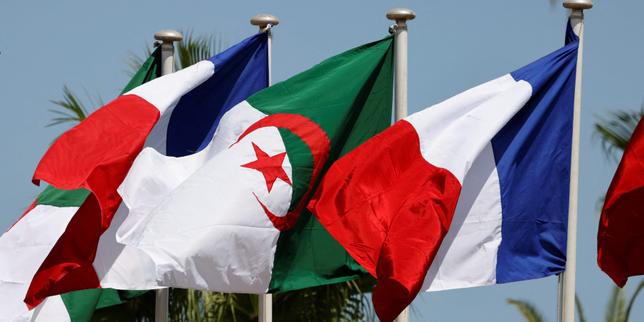
Diplomacy is messy. Bilateral relations between France and Algeria swing between cold indifference and fragile handshakes depending on the news cycle, historical grievances, and migration debates.
Security cooperation remains one of the few functional bridges left standing. Intelligence chiefs talk even when presidents clash.
- Intelligence sharing: Law enforcement agencies maintain backchannels that bypass political grandstanding.
- Extradition and trials: How Algiers handles prosecution dictates the level of trust Paris extends in return.
- Sovereignty optics: Algeria fiercely guards its independence, meaning any perception of taking orders from Paris is a non-starter.
This latest development proves that practical cooperation can survive diplomatic frost. When transnational cartels threaten internal stability, ideological differences take a back seat. Algiers wants to signal to Europe that it is a reliable partner against organized crime. Paris needs concrete results to show citizens that international law enforcement yields real arrests.
What Most People Get Wrong About Transnational Cartels
People assume that capturing a couple of kingpins destroys an entire network. It doesn't.
When Mehdi Laribi and Djamel Djeha were taken off the board, subordinate players immediately scrambled to fill the vacuum. That is the nature of illicit supply chains. They adapt. They mutate.
Relying solely on high-profile arrests is a trap. Investigators must follow the money trail through offshore accounts, crypto wallets, and shell companies spanning southern Europe and North Africa. Without seizing illicit assets, arresting top-tier traffickers is just trimming weeds while the roots keep growing.
Furthermore, public discourse often paints these operations as seamless victories. In reality, they involve months of bureaucratic delays, jurisdictional battles, and high-stakes negotiations behind closed doors.
Where Security Policy Goes From Here
If Paris and Algiers want to turn a temporary thaw into lasting diplomatic progress, they need to institutionalize these cooperative wins. Relying on ad-hoc joint operations whenever a high-value target pops up is inefficient.
Expect tougher scrutiny on cross-border financial flows. Watch for increased joint training sessions between northern and southern Mediterranean police units. The real test will be whether future extradition requests and mutual legal assistance run smoothly without hitting political roadblocks.
Keep an eye on court proceedings. The transparency of the trials for Laribi and Djeha will set a clear benchmark for future bilateral security pacts. If convictions stick and asset seizures follow, the Mediterranean security landscape enters a much sharper, more pragmatic era.