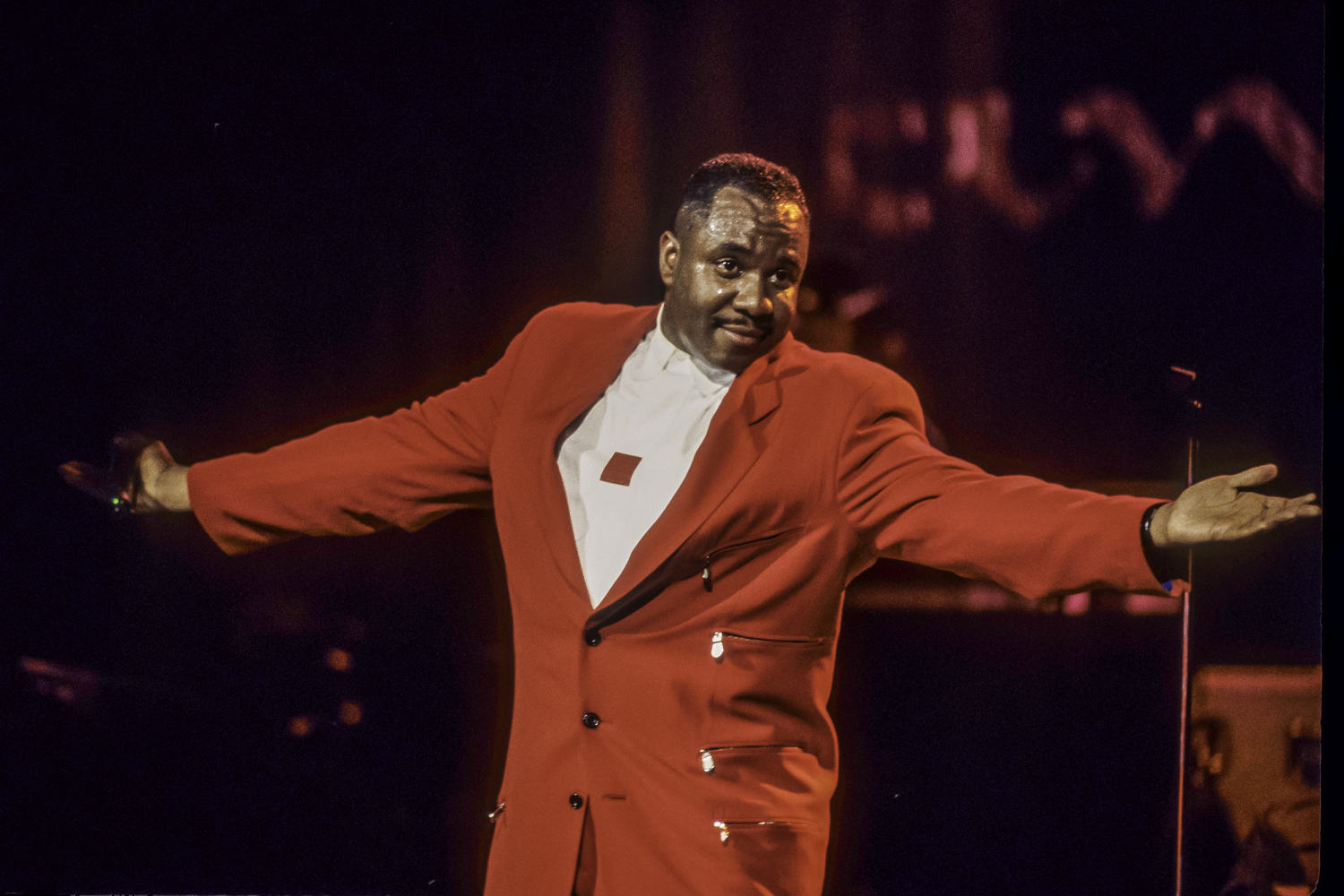
The death of Freddie Jackson at age seventy closes a definitive chapter in the structural evolution of American rhythm and blues. While mainstream cultural retrospectives frequently reduce his catalog to sentimental balladry, a rigorous examination of his commercial peak reveals a masterclass in format optimization. Jackson did not merely participate in the mid-nineteen-eighties urban contemporary radio boom; he engineered a specific vocal and production formula that solved a critical distribution bottleneck for major labels during an era of fragmented demographic targeting.
To understand Jackson’s commercial footprint, one must deconstruct the radio programming constraints of nineteen-eighty-five. Major commercial stations were sharply divided between pop formats that favored rock crossover and urban stations trying to capture an increasingly affluent Black middle class. Tracks like "Rock Me Tonight (For Old Times Sake)" and "You Are My Lady" operated at the precise intersection of these formats. They utilized mid-tempo synthesized basslines, lush string arrangements, and restrained vocal phrasing that met the technical frequency requirements of both FM urban radio towers and adult contemporary playlists.
The core mechanics of his success can be mapped across three distinct structural pillars:
The Vokal Register and Dynamic Constraint
Jackson avoided the hyper-athletic vocal acrobatics that characterized late-seventies soul or the explosive melisma of subsequent decades. Instead, his delivery relied on a controlled tenor range that maintained tonal warmth across low-volume compression. This made his records exceptionally friendly to the broadcast audio processors of the era, ensuring that his voice retained clarity whether played on high-end home stereo systems or factory car speakers.
The Production Economy of Barry Eastmond and Paul Laurence
The hit records were built on a minimalist funk foundation where space was weaponized. Rather than overcrowding the mix with competing instrumentation, producers utilized clean drum machine programming paired with shimmering keyboard pads. This left ample sonic headroom for Jackson's multi-tracked harmonies, creating an intimate acoustic illusion that simulated a private performance rather than a stadium concert.
The Demographic Arbitrage of the Quiet Storm Era
By positioning his material within the late-night quiet storm radio paradigm, Jackson captured a loyal, high-retention consumer base. Adult contemporary listeners valued consistency over stylistic volatility. Consequently, his first two studio albums achieved multi-platinum certification not through explosive, short-lived pop novelty, but through sustained, multi-year catalog velocity and relentless touring.
The broader lesson of Jackson’s career trajectory lies in the economics of longevity over peak chart velocity. While contemporaneous pop acts often burned through production trends, Jackson’s adherence to a consistent emotional and sonic blueprint allowed him to secure nineteen top-ten R and B singles across a shifting technological and corporate landscape. Even as the digital sampling era transformed urban radio in the nineties, his core audience remained insulated by the purity of his traditional vocal execution.
Strategic forecasting within the modern music industry suggests that as algorithmic fragmentation accelerates, the market will continually re-value artists who mastered niche consistency. Jackson’s catalog demonstrates that hyper-specialization in a defined emotional utility—providing the definitive soundtrack for adult contemporary romance—yields more durable equity than chasing ephemeral crossover trends. Modern independent acts seeking sustainable monetization models would do well to study how Jackson engineered his career for long-term retention rather than immediate cultural saturation.