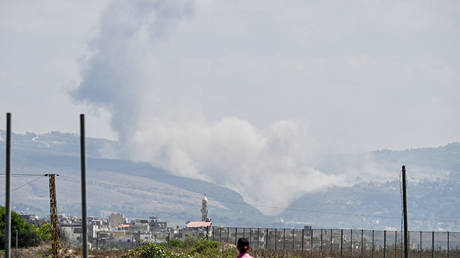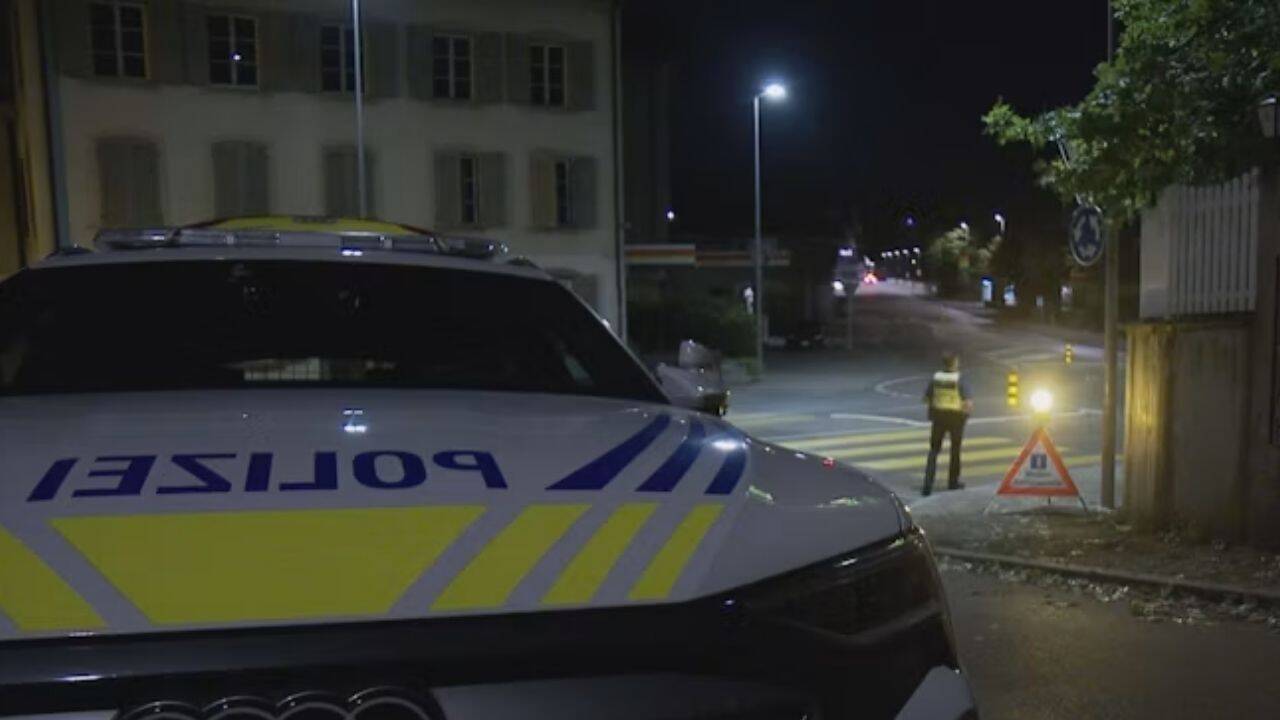
The shooting incident at the Aarau Rave in the Schachen district of Switzerland, which left multiple individuals wounded and triggered a mobilization of cantonal police and emergency response units, exposes systemic vulnerabilities in temporary high-density venue architecture. When thousands of attendees concentrate in open-air municipal spaces like horse racing tracks, security protocols must balance open public access with threat mitigation. The operational breakdown during the Aarau event underscores the friction points between crowd density dynamics and rapid-response emergency intervention.
The Mechanics of Vulnerability in Open-Air Event Perimeters
Temporary mass gatherings operate under distinct environmental and logistical constraints that permanent entertainment venues rarely face. The Aarau Schachen site, structured around a traditional horse racing track, presents vast perimeter footprints with porous boundaries.
- Perimeter Leakage: Open-air tracks inherently feature expansive boundary lines. Securing a perimeter spanning hundreds of meters against unauthorized firearm introduction requires intensive access control checkpoints, which often conflict with rapid crowd ingress and egress requirements.
- Density Multiplexing: High attendee concentration—such as the thousands reported at the Aarau gathering—creates acoustic masking. Gunfire signatures can easily be mistaken for heavy bass, pyrotechnics, or stage equipment failures during the initial seconds, delaying individual flight response and official threat recognition.
- Infrastructure Deficits: Unlike enclosed arenas equipped with fixed security architecture, hardwired surveillance grids, and zoned public address systems, temporary venues rely on modular infrastructure that can suffer from communication blind spots and delayed command-and-control synchronization.
The Cost Function of Emergency Response Latency
When shots erupted shortly after 02:30 local time, the transition from an entertainment environment to an active casualty zone triggered a rigid municipal protocol. The deployment of the Aargau Cantonal Disaster Response Unit and specialized assets like the Swiss Army Super Puma helicopter illustrates the heavy resource expenditure required once perimeter security fails.
The primary operational metric in such kinetic incidents is time-to-triage. In open-field environments, medical dispersal presents logistical bottlenecks. First responders face dual challenges: securing an unsecured perimeter while simultaneously administering trauma care to scattered casualties. The decision by cantonal authorities to lock down surrounding municipal zones, including local swimming infrastructure, highlights the rapid spatial containment required to prevent secondary threats, yet it also exposes the friction of managing public panic across a wider municipal grid.
Threat Vector Analysis and Structural Countermeasures
Preventing similar disruptions in jurisdictions with high private or licensed firearm ownership—such as Switzerland—requires moving beyond passive policing models toward predictive spatial security architecture.
Access control enforcement must shift from reactive bag checks at single entry points to zoned compartmentalization. Large-scale events must implement rigid sector partitioning, ensuring that a security breach in one zone does not compromise the entirety of the attendee footprint. Furthermore, acoustic gunshot detection arrays, increasingly standard in urban municipal planning, offer a viable integration vector for temporary festival grounds to eliminate the verification latency that plagues eyewitness reporting during chaotic nighttime events.
Event organizers and municipal risk assessors must recalculate the risk coefficient of open-air night events. Security budgets cannot treat crowd management as a logistical afterthought subservient to attendee capacity metrics. True operational resilience demands that perimeter integrity, real-time telemetry, and tactical egress corridors scale proportionally with crowd volume.