We keep waiting for permission. Decade after decade, election cycle after election cycle, citizens across the globe freeze in place, paralyzed by the comforting delusion that a single charismatic leader will somehow materialize to dismantle entrenched systems on their behalf.
This passive posture is more than a mistake. It is an active surrender of agency.
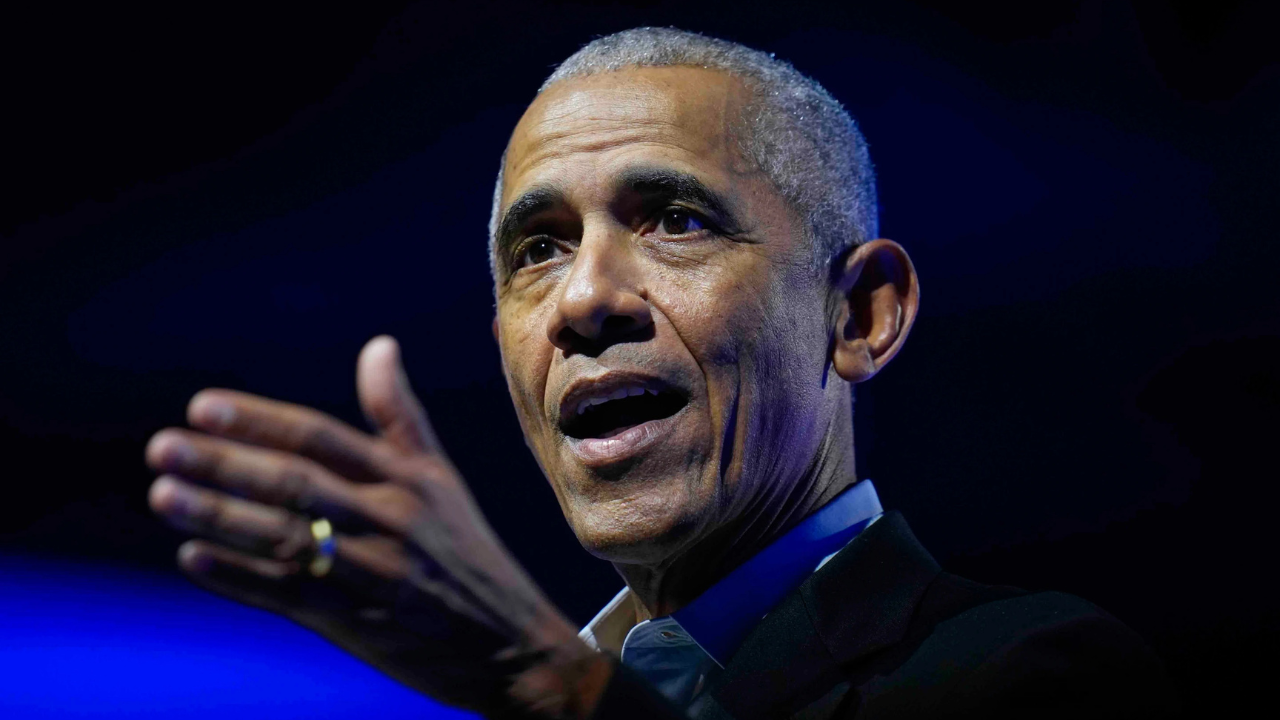
When Barack Obama popularized the refrain that change does not arrive if we wait for another person or another time, he was not merely offering a poetic flourish for a campaign stump. He was diagnosing a collective psychological addiction to deferred responsibility. Society prefers the spectator sport of politics to the grinding, unglamorous mechanics of bottom-up mobilization. Yet history proves an absolute rule. Real structural alteration never trickles down from the benevolent intentions of elected officials. It is always shoved upward by the relentless pressure of unyielding publics.
The Comfort of the Proxy
It feels safer to outsource our grievances. Writing a check to an advocacy group, casting a ballot every few years, or screaming into the digital void of social media gives the brain a cheap dopamine hit of civic participation. It simulates impact without requiring sacrifice.
This proxy model of citizenship is precisely what powerful institutions rely on to maintain the status quo.
When people believe that progress is something handed down by administrative elites, they disengage from the local fights that actually shape daily existence. They ignore municipal zoning boards, school budget votes, and neighborhood labor organizing. They wait for a national savior while their immediate communities rot from neglect.
Consider the historical trajectory of major labor rights or civil rights movements. Textbooks love to sanitize these battles into tidy narratives about visionary presidents signing legislation. That is a myth. The legislation was merely the paper trail of exhaustion. The real work happened in smoke-filled union halls, on segregated buses, and through illegal strikes that terrified corporate boards and politicians alike. The leaders did not initiate the pressure; they merely codified what the streets had already made impossible to ignore.
[Public Complicity] ---> [Delegation of Power] ---> [Institutional Stagnation] ---> [Systemic Inertia]
When we treat change as a spectator sport, we hand the controls to the very entities invested in preserving the current imbalance.
The Bureaucracy of Slow Death
Systems do not self-correct. They protect themselves.
Every major institution, whether a multinational corporation, a government agency, or a political party, develops an immune system designed to neutralize disruption. When an outsider enters a position of authority with genuine intentions of reform, they immediately collide with this institutional metabolism. Mid-level bureaucrats outlast ministers. Procedural red tape throttles radical ideas. Financial incentives align to reward compliance over courage.
Expectations are managed downward until radical vision becomes indistinguishable from business as usual.
This is why banking on a single leader is a fool's errand. Even the most well-meaning executive or politician is swallowed by the machinery of governance unless a hostile, organized public stands outside the gates demanding blood. Power concedes nothing without a demand. It never has, and it never will.
If you want a clearer picture of how this mechanism operates, look at environmental policy. Corporations routinely lobby for weak, voluntary compliance frameworks while funding PR campaigns that tell consumers to recycle their water bottles. This shifts the burden of systemic crisis onto the individual while preserving industrial profit margins. We spend our energy arguing over paper straws while logistics networks pump millions of tons of unmitigated waste into the oceans. The system survives by keeping us busy with micro-tasks that change nothing while starving the macro-movements that could.
The Myth of the Right Moment
There is never a convenient season to disrupt an established order.
People constantly delay action because they are waiting for stability, financial security, or a clearer political horizon. They tell themselves that next year, when the mortgage is paid off or the kids are out of school, they will finally step into the arena.
That moment never arrives. The architecture of modern life is deliberately engineered to keep us perpetually on the treadmill, running just fast enough to survive, too exhausted to look up and organize.
Waiting for the right time is just another way of saying no.
True disruptors do not find optimal conditions. They forge them out of chaos and necessity. Look at any grassroots cooperative or independent mutual aid network that emerged during recent economic collapses. They did not launch because funding was flush or political climates were friendly. They launched because people were starving, healthcare was inaccessible, and the official channels had abandoned them.
Reclaiming the Local Arena
National politics gets the headlines, but local ground is where power is actually built and broken.
If you want to understand why national movements fail, look at how thoroughly local civic infrastructure has been hollowed out over the past forty years. Local newspapers have vanished, replaced by algorithmic outrage machines funded by out-of-state interests. Neighborhood associations have devolved into petty squabbles over property values rather than engines of community defense.
Rebuilding requires unglamorous, repetitive labor. It means showing up to city council meetings where three people are in the audience. It means talking to neighbors who disagree with you about everything except the fact that the local water supply is toxic.
Change is not an event. It is a persistent, grinding friction applied to the gears of authority until the machine breaks down and forces a redesign.
We are out of time to keep waiting for someone else to pick up the hammer. The person you are waiting for is looking back at you from the mirror, wondering why you are still standing there.