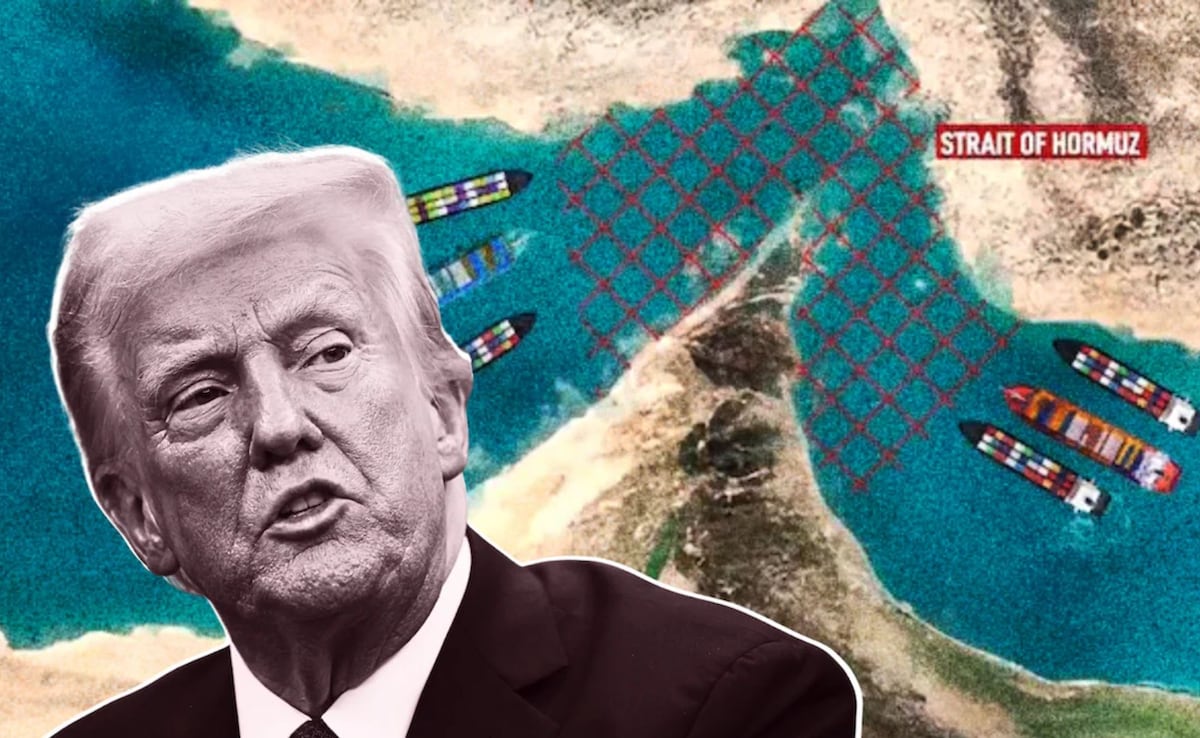
Iran’s foreign minister, Abbas Araghchi, just landed in Beijing, and honestly, the timing couldn't be more loaded. While most of the world watches the headlines about U.S. Apache helicopters hunting speedboats in the Strait of Hormuz, the real game is happening behind closed doors in China. This isn't just another diplomatic photo op. It's a desperate, high-stakes attempt to keep a global energy collapse from getting even worse.
You’ve probably seen the chaos in the markets. Since the US-Israeli strikes in February—which, let’s be real, changed the Middle East forever—the Strait of Hormuz has been a graveyard for "business as usual." We’re looking at the most severe oil supply shock in history. Crude importers are sweating, and China, which basically runs on imported energy, is at the front of that line.
The Beijing Broker
Araghchi is meeting Wang Yi because China is the only country with a foot in both camps. Think about it. The U.S. is running "Project Liberation" to force the strait open, but Iran only listens when Beijing talks. Last month’s ceasefire? Iranian officials flat-out credited China for making that happen.
China’s position is tricky. They need the oil, but they don't want to look like they’re bankrolling a blockade. Wang Yi has been walking a tightrope, saying Iran’s sovereignty needs respect while also demanding "freedom of navigation." Basically, China wants the spice to flow, but they want Iran to be the one holding the ladle—as long as Chinese ships get a free pass.
What the Competitors Missed
Most reports focus on the "simmering tensions." That’s an understatement. The tensions aren't simmering; they're boiling over. Here’s what’s actually happening on the ground:
- Selective Passage: Iran isn't just "blocking" the strait. They’re running a toll booth. Ships from "non-hostile" states like China and Pakistan are getting through.
- The Trump Factor: Araghchi is in Beijing exactly one week before Donald Trump is scheduled to arrive there. This is a classic "get your story straight" meeting. Iran wants China to hold the line before Trump starts throwing his weight around next week.
- The Insurance Nightmare: Even if the U.S. destroys every Iranian speedboat, shipping companies like Hapag-Lloyd aren't coming back yet. The risk of mines and drones makes the insurance premiums impossible. Only a political deal—likely brokered by China—will actually lower those costs.
Why China holds all the cards
For years, the West assumed the U.S. Navy was the ultimate guarantor of the Strait of Hormuz. 2026 has proven that theory dead. Despite the military hardware, the strait remains effectively blocked for most of the world.
China has been the silent beneficiary of this mess. They’ve managed to secure their own energy supply while the rest of the world pays $150 a barrel. By inviting Araghchi now, Beijing is signaling that they are the new Mediterranean and Middle Eastern power broker. They aren't just looking for a ceasefire; they’re looking to cement a new maritime order where their "diplomatic arrangements" carry more weight than a U.S. carrier strike group.
The Real Cost of the Standoff
It’s easy to talk about geopolitics, but look at the numbers. We’ve already lost nearly 700 million barrels of production. The "Liberation Project" has turned the Persian Gulf into a shooting gallery. If Araghchi and Wang Yi don't come out of this with a tangible framework for "normal passage," we aren't just looking at higher gas prices. We’re looking at a structural shift in how global trade works.
Iran is hurting, too. The U.S. counter-blockade on Iranian ports is biting hard. Araghchi isn't in Beijing because he wants to be; he's there because he has to be. He needs China to pressure Washington to lift the "counter-blockade" in exchange for Iran cooling it with the naval mines and drones.
What you should watch for next
Forget the formal statements about "mutual respect." Watch the shipping data.
If we see an uptick in non-Chinese vessels suddenly getting "safety clearances" from the Iranian Revolutionary Guard, we know Araghchi’s trip worked. If the U.S. pauses its Apache patrols in the next 48 hours, China has successfully pressured both sides to take a breath.
Don't expect a public "grand bargain" next week when Trump lands. Expect small, quiet concessions that allow China to keep its factories running while Iran keeps its dignity. The Strait of Hormuz won't be "open" in the way it was in 2024, but it might become just functional enough to prevent a total global depression.
Keep an eye on the oil futures for June. If they don't drop after this Beijing meeting, it means the industry doesn't buy the "peace" Araghchi is selling. That’s when you should really start worrying about your heating bill this winter.