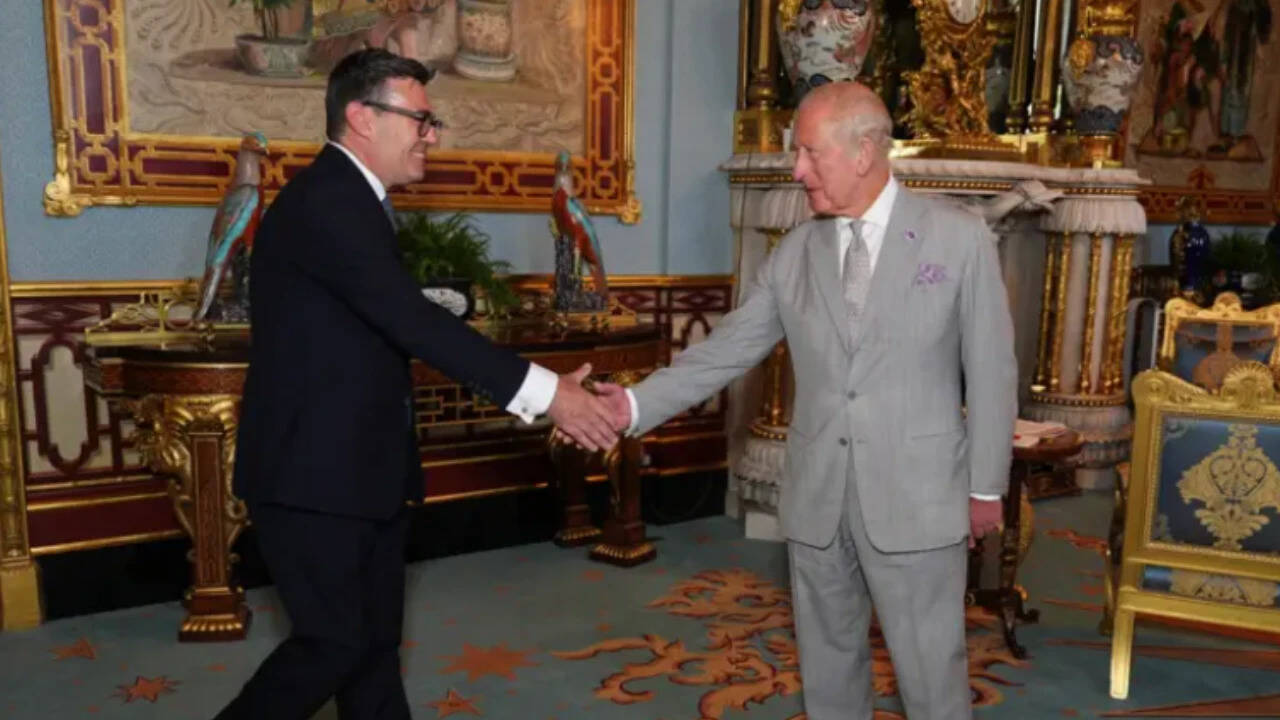
The revolving door at 10 Downing Street just spun again. On Monday, July 20, 2026, Andy Burnham walked into Buckingham Palace as the long-serving Mayor of Greater Manchester and walked out as the 59th Prime Minister of the United Kingdom. He is Britain's seventh prime minister in a single decade. Let that sink in.
Keir Starmer, who secured a massive landslide victory just two years ago, is gone. He resigned after a brutal stretch of economic stagnation, plummeting approval ratings, and unforced political errors. Burnham, running unopposed within the Labour Party, stepped up to take the baton. Outside the famous black door of Downing Street, he promised a "circuit-breaker moment" for a frustrated nation. He promised stability.
But you cannot stabilize a country by simply running the same old political playbook. If Burnham thinks that giving a few speeches about regional inequality will magically heal a broken Westminster system, he is in for a rude awakening.
The Mirage of Midterm Stability
Why does Britain keep changing leaders without asking the public first? Under the UK parliamentary system, voters elect a party, not a president. When a party loses faith in its leader, it switches them out. It is perfectly legal, but it feels deeply undemocratic to a public watching their living standards slide.
Burnham won his way back into Parliament via a June by-election in Makerfield, a traditionally working-class, post-industrial seat that voted heavily for Brexit. It is exactly the type of area Labour lost to populist surges. By winning there, Burnham proved he still has the common touch. But managing a constituency is not the same as managing a bankrupt national treasury.
The new Prime Minister enters office facing the exact same economic realities that crushed Starmer:
- Subdued economic growth that refuses to budge.
- Stubbornly high national borrowing and a crushing debt service bill.
- Public services, from the NHS to local councils, on the verge of total collapse.
- A fierce challenge from the populist right, led by Reform UK's Nigel Farage, demanding an immediate general election.
Burnham's pitch is that he is different because he wants to dilute the power of London. He spent nine years as the "King of the North" bashing Whitehall. Now, he is Whitehall.
The Left-of-Center Gamble
Burnham claims he will "rewire" the country by putting life's essentials back under public control. He is already eyeing the debt-laden Thames Water for nationalization. He wants to build council houses to lower the welfare bill and has issued an immediate instruction to end rough sleeping.
It sounds noble. Honestly, it sounds great on a campaign leaflet. But how is he going to pay for it?
The markets are already jittery. Burnham has a reputation for expansive public spending. Since he cannot borrow his way out of this hole without triggering a Liz Truss-style market meltdown, tax increases are practically inevitable. If he raises property or corporate taxes too fast, he risks killing off the tiny bit of economic growth Britain actually has.
You cannot redistribute wealth if you are not creating any. His plan to split his week between London and a satellite office in Manchester is a nice symbolic gesture to show he hasn't forgotten his roots. But symbols do not pay for hospital beds or fixing potholes.
The Long Road to 2029
Burnham does not have to face a general election until 2029. That gives him three years to turn the ship around. He is planning a summer "listening tour," starting in post-industrial towns like Port Talbot, to show he is a collaborative leader.
If you want to see if this government will actually survive, watch his first major fiscal statement. Look closely at how he handles the immediate crisis of public utility debts and whether his new Chancellor can find a way to spur genuine private investment.
The British public is exhausted by promises of fresh starts. They heard it from Johnson, Truss, Sunak, and Starmer. Burnham has the communication skills to buy himself some time, but the clock is already ticking. Watch the bond markets and watch the local council bankruptcy filings over the next six months. That is where the real story of the Burnham premiership will be written.