The death of 19 individuals during recent meteorological instability in Karachi is not an isolated weather event but a predictable failure of overloaded urban systems. When a high-velocity thunderstorm intersects with a primary metropolitan hub lacking redundant drainage and localized power grid insulation, the result is a systemic rupture. The fatalities—primarily caused by electrocution, structural collapses, and drowning—represent the terminal point of a long-term misalignment between Karachi’s rapid horizontal expansion and its stagnant hydraulic and electrical infrastructure.
The Kinetic Energy of the Storm
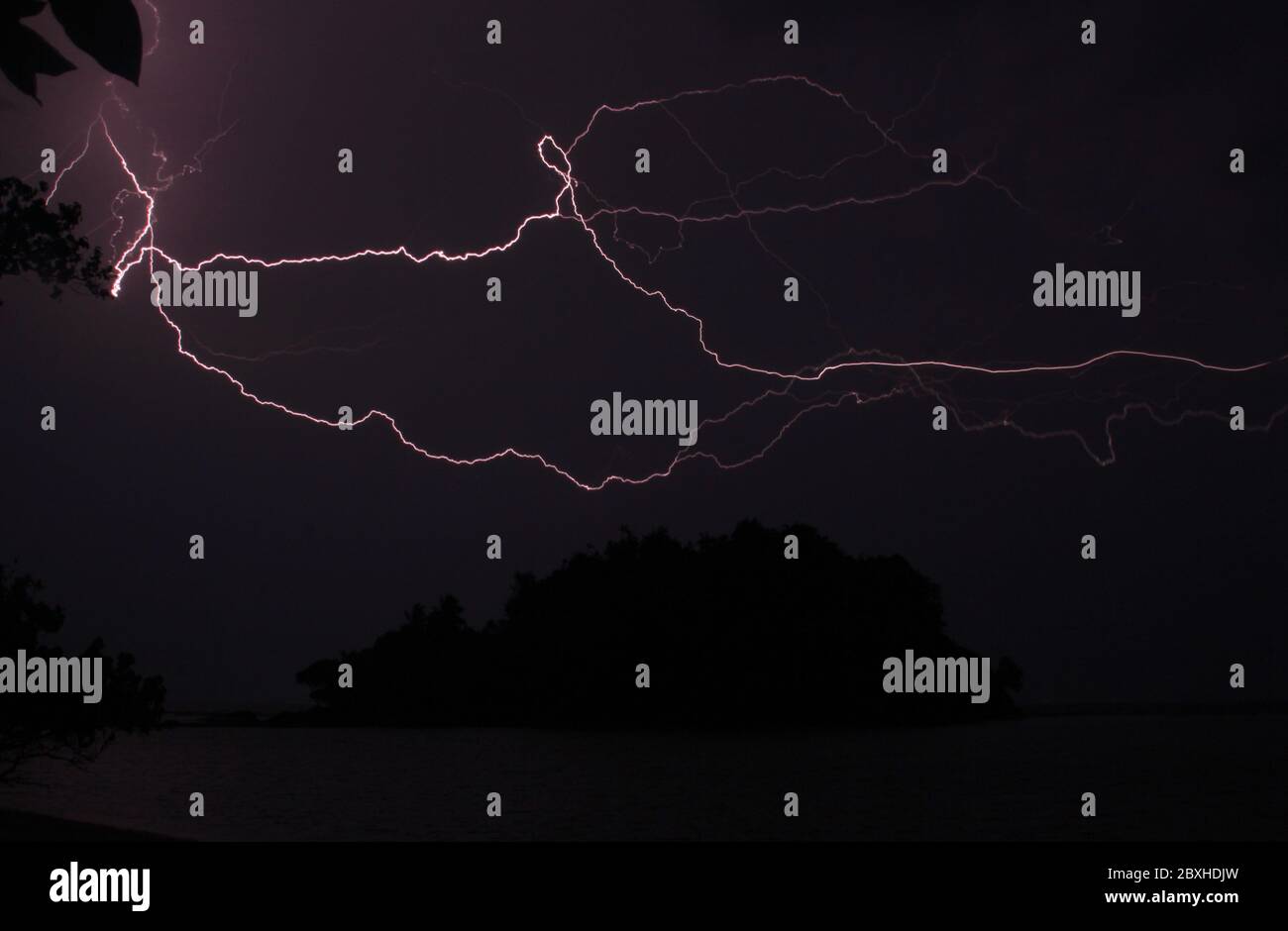
The meteorological trigger involved a concentrated cell of high-intensity precipitation coupled with wind speeds exceeding 60 kilometers per hour. In a dense urban environment, these physical forces act on the built environment through two primary vectors: aerodynamic pressure on informal settlements and the hydraulic saturation of non-permeable surfaces.
The rapid accumulation of water in a city built largely on reclaimed land or near natural drainage "nullahs" (water channels) creates an immediate pressure on the soil. As the soil reaches a saturation point, the weight of the water, combined with the wind load, compromises the lateral stability of boundary walls and makeshift roof structures. This explains why a significant portion of the casualties resulted from "wall collapses"—a clinical term for the failure of unreinforced masonry under hydrostatic pressure and wind-induced vibration.
The Electrocution Mechanism and Grid Instability
Electrocution remains the most lethal secondary hazard of Karachi's monsoon season. This phenomenon occurs due to the intersection of two critical infrastructure failures:
- Encroachment on Utility Corridors: In many of Karachi's low-income districts, residential structures are built in immediate proximity to high-tension wires and 11kV distribution lines.
- Ineffective Grounding and Insulation: The city's electrical distribution network, managed by K-Electric, utilizes a mix of aging overhead cables and newer "Aerial Bundled Cables" (ABC). While ABC is designed to prevent power theft and accidental contact, the sheer volume of "kundas" (illegal hooks) creates exposed points where rainwater acts as a conductive medium between the live wire and the surrounding metal or water-logged ground.
When water levels rise above the height of street-level distribution boxes (PMTs) or touch sagging wires, the entire flooded street becomes a live circuit. The human body, acting as a path of least resistance, sustains fatal current flow. This is a failure of spatial planning as much as it is a failure of utility maintenance.
The Hydraulic Bottleneck and Surface Runoff
Karachi’s drainage logic is theoretically sound—utilizing natural gradients to move water toward the Lyari and Malir rivers and eventually into the Arabian Sea. However, the operational reality suffers from three distinct "friction points" that convert a heavy shower into a lethal flood:
- Solid Waste Obstruction: The city produces approximately 12,000 tons of garbage daily, a significant portion of which enters the drainage system. During a storm, this waste acts as a physical plug, causing backflow into residential streets.
- The Loss of Soft Scape: Urbanization has replaced permeable earth with concrete and asphalt. In a natural environment, 50% of rainwater might infiltrate the soil. In Karachi’s central districts, that figure is near 0%. This forces 100% of the precipitation into the "surface runoff" category, overwhelming the volumetric capacity of the drains within minutes of the storm's onset.
- Inadequate Sizing of Conduits: Many of the secondary and tertiary drains were designed for the population densities of the 1970s. They cannot handle the "Peak Flow Rate" required by modern climate patterns, which favor short, high-intensity bursts of rain over prolonged light showers.
Quantifying the Economic and Human Friction
The 19 deaths are the most visible metric, but the broader economic cost function includes the total paralysis of the logistics corridor leading to the Port of Karachi. When the main arterial roads—such as Sharea Faisal or the Korangi Industrial Area roads—flood, the supply chain for the entire country experiences a multi-day lag.
The "Cost of Recovery" is often five times higher than the "Cost of Prevention." Maintenance of the nullahs—which involves dredging sludge and removing illegal concrete encroachments—is frequently delayed due to jurisdictional overlaps between the Karachi Metropolitan Corporation (KMC), the Sindh Government, and various Cantonment Boards. This fragmented governance model ensures that no single entity is accountable for the integrity of the hydraulic network.
The Structural Failure of Informal Housing
A disproportionate number of casualties occur in "katchi abadis" (informal settlements). These areas lack the engineering oversight required to withstand extreme weather. The failure sequence usually begins with:
- Foundation Erosion: Water pools at the base of structures built without deep footings, causing the soil to liquefy and the building to tilt or collapse.
- Material Degradation: The use of low-grade cement and unwashed sea sand leads to "carbonation," where the internal steel reinforcement of the concrete rusts and expands, cracking the structure from within before the storm even begins.
Systematic Risk Mitigation Strategies
To move beyond the cycle of seasonal tragedy, the city must shift from reactive disaster management to proactive engineering resilience.
Immediate Hard-Site Upgrades
The priority must be the "Hardening" of the electrical grid. This involves the mandatory elevation of all street-level distribution transformers to a height of at least 1.5 meters above the 100-year flood level. Furthermore, the aggressive replacement of remaining bare-wire overhead lines with ABC is not optional; it is a life-saving requirement.
Decentralized Drainage Solutions
Centralized "Big Pipe" solutions are failing. Karachi requires "Sponge City" interventions. This includes the construction of localized retention ponds in public parks and the installation of permeable pavers in new commercial developments. These interventions "shave the peak" of the runoff curve, giving the existing drainage network more time to process the volume.
The Governance Re-org
The current model of multi-agency responsibility is the primary bottleneck. A "Unified Drainage and Disaster Authority" with the legal power to bypass local jurisdictional disputes is necessary. This body must have a dedicated budget for pre-monsoon desilting, independent of the annual political cycle.
Early Warning and Hyper-Local Communication
Current weather alerts are too broad. The city requires a network of low-cost IoT (Internet of Things) water-level sensors placed at critical nodes in the drainage system. These sensors can trigger automated, hyper-local SMS alerts to residents in high-risk zones, providing a 30-minute window for evacuation or the disconnection of home power systems before local flooding peaks.
The 19 deaths in Karachi are a symptom of a city outgrowing its skeletal infrastructure. Without a shift toward data-driven urban planning and aggressive grid modernization, the "natural" disaster will remain a man-made certainty.