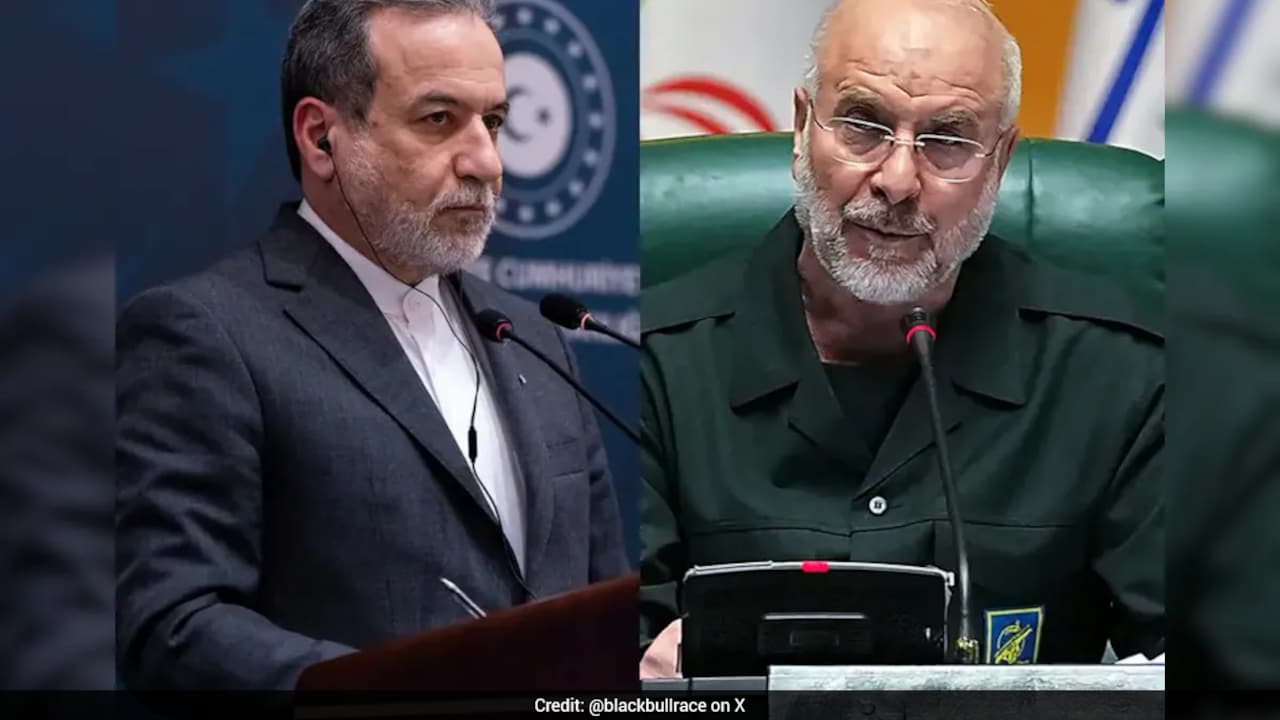
The preservation of diplomatic counterparts during active interstate conflict represents a critical bottleneck in asymmetric alliance management. The recent operational friction between Washington and Jerusalem regarding the targeted kinetic planning against Iranian negotiators Abbas Araghchi and Mohammad Bagher Ghalibaf exposes a structural breakdown in combined war aims. When allies decouple their end-state objectives—shifting from shared regime-change doctrines to divergent stabilization frameworks—the utility of enemy leadership shifts from high-value targets to indispensable negotiating infrastructure.
To evaluate this dynamic, one must analyze the mechanisms of targeted leadership attrition, the strategic value of the pragmatic counterpart, and the operational boundaries of covert diplomatic warning systems.
The Decoupling Matrix of Allied War Aims
At the onset of hostilities on February 28, the alignment between American and Israeli military intelligence appeared total. The initial kinetic phase, which successfully removed Supreme Leader Ayatollah Ali Khamenei, utilized shared intelligence streams to degrade the command structure of the Iranian state. However, the lifespan of any military alliance is governed by its terminal objectives. The alliance experienced a structural fracture as the conflict progressed through March and April, which can be modeled across two competing doctrines.
The Regime Eradication Doctrine
This framework, favored by Jerusalem, treats the adversary as a monolithic ideological entity. Within this model, the complete degradation of both political and military leadership is necessary to induce systemic collapse, dismantle regional proxy networks, and neutralize the state's ballistic missile and nuclear architecture. Any pause or concession is viewed as a strategic hazard that allows the adversary to reconstitute its authority.
The Controlled Stabilization Doctrine
This framework, adopted by Washington, views the adversary through the lens of institutional survivability. American intelligence rapidly assessed that despite severe leadership losses, the structural core of the Iranian theocratic and military apparatus—specifically the Islamic Revolutionary Guards Corps—would maintain its grip on power. Under this assessment, the total elimination of governance structures creates an unmanageable power vacuum. The objective must therefore shift from regime eradication to a negotiated settlement that secures critical maritime assets, such as the Strait of Hormuz, and establishes verifiable nuclear caps.
This divergence creates an operational paradox. The same high-ranking officials that one partner views as legitimate targets for structural degradation, the other partner views as the minimum necessary infrastructure required to execute an exit strategy.
The Operational Cost Function of Leadership Attrition
The destruction of political targets yields diminishing returns and introduces severe diplomatic bottlenecks. The early phase of the conflict saw the elimination of Ali Larijani, Iran’s national security chief, and Kamal Kharazi, a former foreign minister. Both men represented the exact bureaucratic layer with which the West could interface to negotiate an off-ramp.
The elimination of these figures altered the internal equilibrium of the Iranian state through three distinct mechanisms.
- The Depletion of Executive Agency: In highly centralized states, diplomatic authority cannot be easily delegated. When the bureaucratic elite is systematically eliminated, the remaining leadership defaults to defensive isolationism, paralyzing the diplomatic pipeline.
- The Hardening of the Residual Core: Kinetic strikes that target moderate or pragmatic factions within an adversarial regime do not collapse the state; instead, they clear the path for more radical elements. The removal of traditional negotiators leaves the state under the unmitigated control of actors with zero incentive to engage in compromise.
- The Disruption of Communicative Networks: Effective backchannel negotiation requires established points of contact who possess both internal legitimacy and international credibility. Removing these points of contact destroys the transmission mechanism through which terms can be offered or assessed.
The United States recognized that the deaths of Araghchi and Ghalibaf would completely destroy the diplomatic track. Pakistan’s diplomatic intervention in March emphasized this reality, warning that if these specific individuals were removed, there would be no institutional actors left to execute a ceasefire.
The Mechanics of Asymmetric Interventions
To protect the remaining negotiating architecture from its own ally, Washington bypassed standard bilateral channels and deployed a multi-layered, indirect warning strategy. This dynamic demonstrates the structural limitations of American influence over an autonomous allied state during high-intensity operations.
The intervention relied on a distributed notification network rather than direct, coercive diplomacy. Recognizing that a direct demand to stand down might be rejected or bypassed by Israeli military planners, the Trump administration utilized regional intermediaries—primarily Qatar and Pakistan—to pass actionable intelligence to Tehran. This architecture accomplished two objectives simultaneously: it warned the targets to alter their operational signatures, and it signaled to the adversary that the United States was actively working to preserve the viability of the talks.
The operational reality of this intelligence friction materialized clearly during the April 12 airspace intrusion. While Parliament Speaker Ghalibaf was returning from a diplomatic session in Islamabad, Western intelligence detected two Israeli fighter jets entering western Iranian airspace via Iraq. The interception path was highly specific, targeting the transit corridor of the diplomatic aircraft.
Because the indirect warning network had already sensitized the Iranian security apparatus to the immediate threat profile, the flight executed a defensive diversion.
[ Islamabad Departure ]
           │
           ▼
[ Intelligence Alert: Israeli Jets Enter Airspace via Iraq ]
           │
           ▼
[ Tactical Decision: Abort Tehran Flightpath ]
           │
           ▼
[ Emergency Diversion to Mashhad ] ──► [ 8-Hour Overland Transit to Tehran ]
The diversion of the aircraft to Mashhad and the subsequent eight-hour overland journey to Tehran illustrates the tactical disruptions required to keep diplomatic infrastructure alive when an ally retains air superiority and local intelligence dominance.
The Limitations of the Stabilized Ceasefire
The preliminary framework achieved in June, which focused on reopening maritime shipping lanes and halting immediate kinetic exchanges, remains structurally fragile. This vulnerability stems from several factors that undermine long-term stability.
- Strategic Misalignment: The agreement addresses immediate regional security concerns but leaves the underlying driver of the conflict—Israel’s demand for complete regime transformation—entirely unresolved.
- Economic Asymmetry: The framework requires granting economic sanctions relief to Iran to secure compliance on maritime and nuclear limitations. Jerusalem views this re-monetization as a direct threat that enables the rapid rebuilding of hostile military infrastructure.
- Radicalization of the Successor Regime: The systemic elimination of older institutional figures has accelerated the rise of a younger, less predictable leadership tier within the Revolutionary Guards. This new cohort operates with a high appetite for risk and a strong desire to balance the strategic ledger.
The Final Strategic Play
The preservation of Araghchi and Ghalibaf indicates that the United States intends to formalize a containment-based security architecture in the Middle East, prioritizing economic stability and maritime trade security over total regime transformation. Moving forward, expect Washington to institutionalize these backchannel communication mechanisms by creating permanent, third-party diplomatic hubs in Doha and Muscat. This infrastructure will decouple negotiation security from local battlefield conditions.
Concurrently, Israel will likely pivot its strategy away from high-profile political assassinations in international airspace and toward highly deniable, cyber-kinetic sabotage within Iran's domestic infrastructure. This shift allows Jerusalem to continue degrading the regime's capabilities while avoiding direct diplomatic confrontation with American-backed stabilization efforts. Allies will continue to share tactical intelligence on mutual threats, but Washington will increasingly restrict real-time data access concerning political targets to prevent further disruptions to its diplomatic strategy.