The announcement by the Russian Foreign Ministry regarding the "reformatting" of its military facilities in Syria marks a transition from a political survival alliance to a transactional logistics agreement. The ouster of Bashar al-Assad in December 2024 removed the ideological and regime-preservation foundations of Moscow’s Mediterranean presence. The current negotiations between the Kremlin and Syrian President Ahmed al-Sharaa’s administration represent a cold calculations play: swapping broad political influence for hard, localized operational access.
Understanding this shift requires moving past the vague diplomatic language of "deepening cooperation" and analyzing the specific operational utility, cost functions, and geopolitical dependencies that dictate Russia’s presence at the Tartous naval facility and the Hmeimim airbase. You might also find this similar article insightful: The Night the Strait Shook.
The Strategic Bilateral Utility Matrix
Russia’s military footprint in Syria does not exist to control Syrian territory; it exists as a platform for extra-regional power projection. The value of these assets can be divided into two distinct logistical vectors.
The Maritime Vector: Tartous Naval Facility
Tartous is not a blue-water naval base capable of hosting massive strike groups, but it is Russia's only repair and resupply hub in the Mediterranean Sea. As discussed in detailed reports by TIME, the effects are notable.
- Logistical Bottleneck Relief: Without Tartous, Russian warships operating in the Mediterranean must return to Black Sea ports via the Bosporus—a transit heavily restricted by international treaties during times of conflict—or travel back to Northern Fleet installations.
- Operational Cost Reduction: Maintaining a permanent logistics node reduces the fuel, maintenance, and time costs of keeping vessels on station in the Mediterranean, effectively acting as a force multiplier for Russia’s Black Sea and Northern Fleet detachments.
The Aerial Vector: Hmeimim Air Base
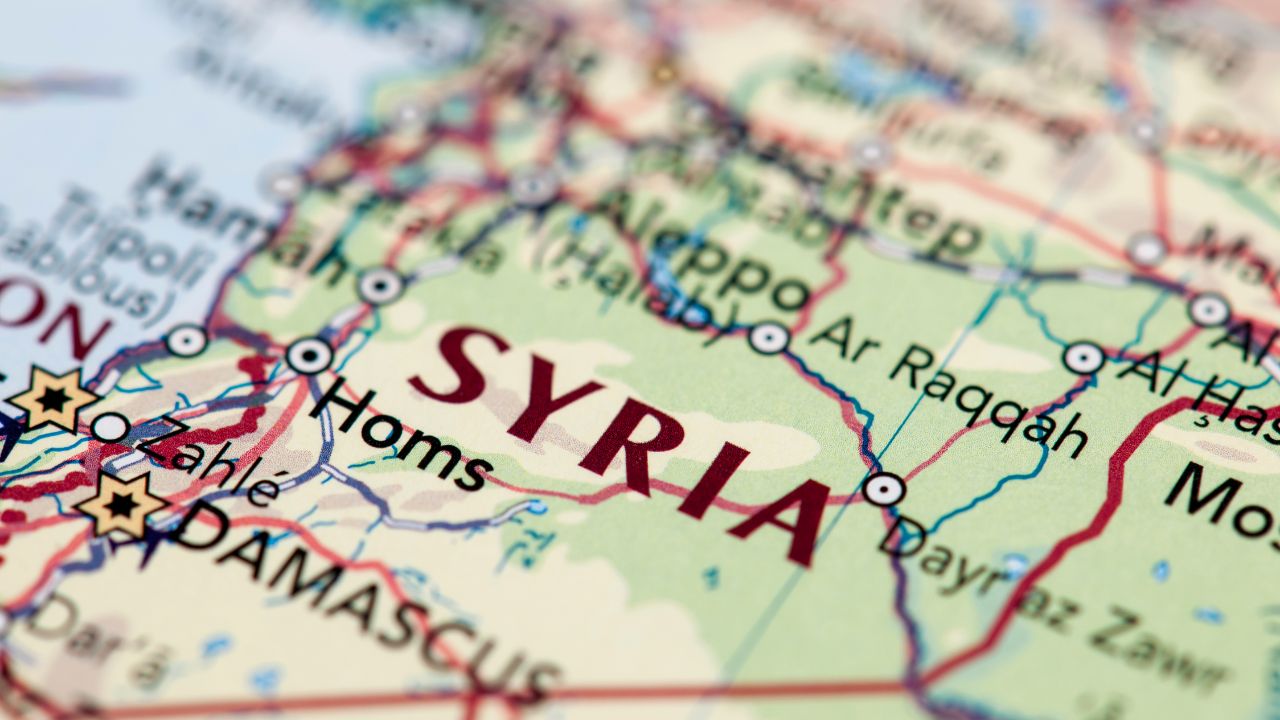
Located in Latakia, Hmeimim serves as the central node for Russian operations across the Middle East and, more critically, Africa.
- The African Power Corridor: Hmeimim operates as a primary staging post, refueling stop, and command center for Russian military and state-backed private military company (PMC) operations in Libya, Mali, Burkina Faso, and the Central African Republic.
- Power Projection Limits: The base provides the Kremlin with early-warning radar capabilities and air defense coverage over the eastern Mediterranean, establishing an anti-access/area-denial (A2/AD) footprint adjacent to NATO's southern flank.
The Reformatting Mechanism: Access Over Influence
Under the Assad regime, the legal and operational framework of these bases was asymmetric. Russia enjoyed long-term, rent-free leases (a 49-year lease for Tartous signed in 2017) and broad diplomatic immunity. The fall of Assad broke the political contract but left the physical infrastructure intact.
The "reformatting" described by Russian Foreign Ministry spokeswoman Maria Zakharova signals a structural pivot. Russia is abandoning the defense of Syrian frontlines—a drawdown that began in late 2024 when forces pulled back from northern positions and Alawite mountain posts—to consolidate inside these two coastal enclaves.
[Old Model: Regime Preservation]
Russia Debt/Military Aid -> Assad Regime Protection -> Total Geopolitical Access

[New Model: Transactional Logistics Hub]
Russia Commercial/Logistics Hub -> Al-Sharaa Government -> Sovereign Enclave Isolation
The emerging model focuses on two key structural changes.
Commercialization of the Footprint
Zakharova’s references to transforming Tartous into a logistics hub to distribute Russian imported goods across Syria indicate an economic trade-off. Russia is offering trade infrastructure, grain transit, and commercial logistics to the cash-strapped Al-Sharaa government in exchange for continued sovereign military access to the port.
Functionality Reduction
The term "reformatting the functionality" implies a reduction in offensive combat capabilities. The heavy artillery, forward-deployed close air support aircraft, and ground-patrol units are being replaced by static defense systems, electronic warfare assets, and transport logistics personnel. This minimizes the risk of friction between Russian forces and the new Syrian leadership.
The Host Nation Cost-Benefit Equation
For President Ahmed al-Sharaa, a former rebel commander navigating a volatile political transition, the continuation of a Russian military presence carries distinct variables.
Strategic Risks
- Sovereignty Vulnerabilities: Hosting foreign military bases limits Damascus’s domestic sovereignty and complicates its efforts to fully reintegrate into regional Arab diplomatic circles.
- Target Attraction: Retaining Russian assets makes Syrian soil a proxy battlefield for international actors looking to disrupt Russian networks, particularly in relation to Ukraine and Africa operations.
Strategic Benefits
- Diplomatic Counterweight: Maintaining a working relationship with a UN Security Council permanent member prevents total diplomatic isolation during a precarious rebuilding phase.
- Economic Subsidies: Leveraging Tartous as a dual-use commercial distribution hub provides Syria with critical supply-chain infrastructure for food, energy, and manufactured goods without requiring immediate capital expenditure from Damascus.
Operational Limitations and Strategic Vulnerabilities
The strategy of reformatting faces structural bottlenecks that prevent it from being an absolute success for Moscow.
The primary limitation is the security of the perimeter. Hmeimim and Tartous are vulnerable to localized asymmetric threats if the Syrian central government fails to maintain security in Latakia and Tartous provinces. A leaner, logistics-focused Russian presence lacks the manpower to conduct wide-area counter-insurgency operations to protect its own boundaries.
The second limitation is supply-chain isolation. If Turkey enforces stricter interpretations of naval transit or if international air corridors close, maintaining the flow of material to Hmeimim and Tartous becomes financially punitive for a Russian economy already optimized for regional warfare.
The final strategic play is not a withdrawal, but an optimization. By stripping away the costly burden of backing a defunct regime, Moscow is attempting to convert its Syrian presence into a low-overhead, high-utility transit station. If successful, Tartous and Hmeimim will function less like colonial outposts and more like heavily fortified corporate logistics hubs—preserving Russia's Mediterranean power projection capabilities while lowering its geopolitical overhead.