Thirty-five thousand feet is a lonely place to discover that safety is an illusion. We board these pressurized tubes of aluminum and composite materials every single day, placing our lives into the hands of two strangers locked behind a heavy, reinforced door. We trust the flight plan. We trust the quiet hum of the turbofans. We assume that the collective instinct for survival shared by everyone on board is enough to keep us anchored to the earth.
Then the aluminum tube drops.
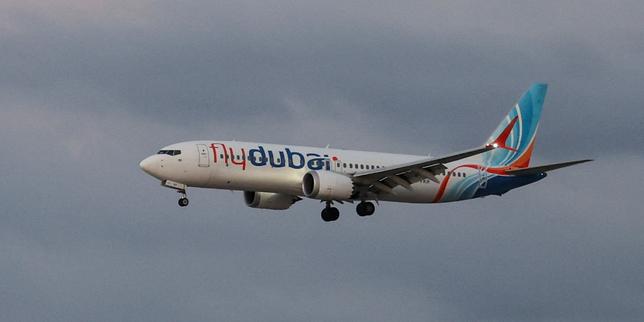
On a routine FlyDubai flight weaving its way toward Tel Aviv, that fragile trust shattered in a heartbeat. Flight FZ 1073 was not merely experiencing turbulence. Inside the flight deck, a silent, terrifying battle for control was unfolding. The co-pilot, later identified through international investigations as an Omani national named Hamam al-Hammami, allegedly turned on the man sharing the small workspace with him. Steel flashed in the confined cabin. Captain Smit Machchhar, an Indian national steering the aircraft, suddenly found himself fighting for his breath, blocking blows, and struggling against a colleague who investigators would later suggest was driven by radicalization and an intent to turn the passenger aircraft into a guided weapon.
Consider the physics of that moment.
At cruising altitude, the air outside is thin enough to kill you in seconds, and the cabin is a delicate ecosystem balanced on the edge of atmospheric science. When the co-pilot launched his attack, stabbing Captain Machchhar and plunging the aircraft into a sudden, terrifying descent, the passengers in the main cabin did not see the knife. They only felt the floor drop out from under their feet. They felt the gut-wrenching lurch that tells the human nervous system that something is fundamentally, catastrophically wrong.
In moments of absolute crisis, human behavior splits into two distinct paths. You freeze, or you fight.
What happened next reads like a cinematic thriller, yet it is entirely grounded in the gritty, bleeding reality of verified reports. Captain Machchhar, despite severe wounds and a cockpit rapidly slicking with blood, refused to let go. He managed to fight back against his attacker, block further lethal strikes, and crucially, transmit the emergency signals required to alert the world that the flight deck had been breached. More than that, in a supreme act of self-preservation and tactical clarity, he managed to unlock the cabin door.
That single action changed everything.
Passengers in the cabin, realizing the sudden nosedive was not standard weather, did not wait for instructions. Among them was a dentist, Dr. Shota Musaev, alongside other travelers and off-duty personnel who heard the commotion. Driven by the primal instinct to protect the 174 souls packed behind those rows of seats, they rushed the cockpit. They swarmed the attacker, pinning him to the floor right as the aircraft fought to stabilize its wild trajectory.
The cockpit of a commercial airliner is not designed for a brawl. It is a maze of sensitive switches, avionics, and displays. Yet, amidst the chaos, the cavalry arrived from the unlikeliest of places. Off-duty pilots traveling as passengers—including aviation professionals later recognized for their steady nerves—stepped forward to take the controls. With Captain Machchhar bleeding heavily and incapacitated from his injuries, these relief pilots guided the battered Boeing aircraft down toward an emergency landing in Saudi Arabia, turning a potential mass tragedy into a masterclass of collective human grit.
When the dust settled on the tarmac at Tabuk Airport, the aftermath exposed uncomfortable truths about modern aviation security. Investigators poring over the background of Hamam al-Hammami uncovered digital footprints pointing toward online radicalization, raising haunting parallels to vulnerabilities the aviation world thought it had locked away decades ago. Questions immediately swarmed around how background checks are handled, how lone-wolf actors slip through the cracks of regional airlines, and whether the ironclad security designed to keep threats out of the cockpit is sufficient when the threat is already sitting in the left seat.
Yet, away from the geopolitical finger-pointing and the intelligence briefings, the enduring image of Flight FZ 1073 is not one of systemic failure. It is one of ordinary people refusing to be passive victims. It is an Indian captain holding the line while severely wounded. It is a dentist and everyday passengers charging into a restricted space to subdue a threat. It is off-duty aviators stepping out of tourist seats and into the hot seat to bring everyone home.
We step onto airplanes seeking anonymity, trading our safety to the invisible mechanics of global transit. We forget that the steel wings and jet engines are ultimately powered by something much simpler, and much more fragile: the sheer, stubborn refusal of human beings to let each other fall.
Hero Indian Captain Smit Machchhar on Flydubai flight prevents a Second 9/11 style terror attack
This video provides an in-depth look at the harrowing cockpit confrontation and the swift actions taken by the crew and passengers to save Flight FZ 1073.