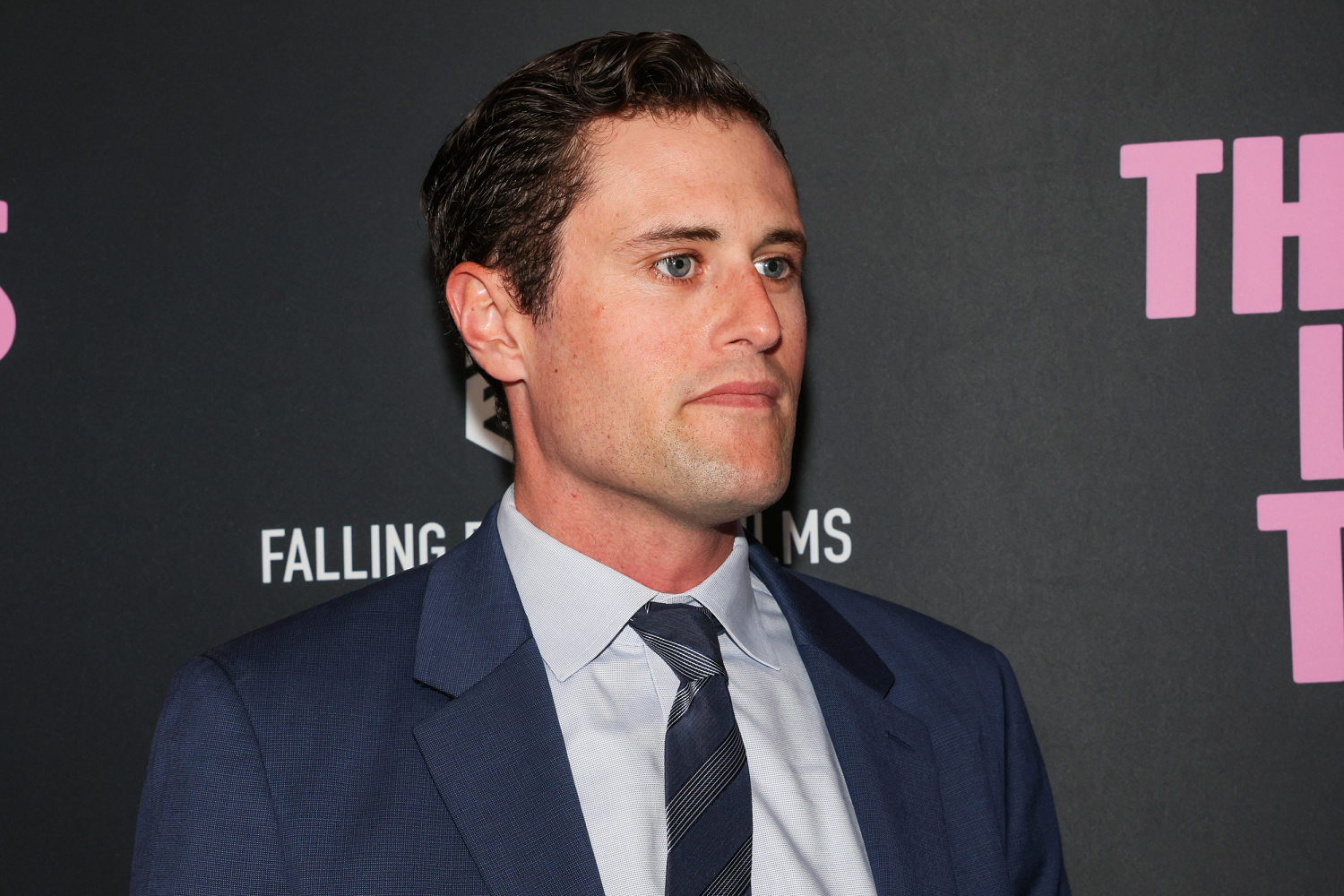
Commercial storytelling in high-budget post-apocalyptic narratives frequently defaults to physical threat mechanics while ignoring the structural decay of human interiority. When an actor steps into a role stripped of modern civilizational crutches, the performance requires mapping an internal cost function rather than merely reacting to external environmental hazards. Analyzing character motivations in stark cinematic settings exposes the friction between high-velocity modern celebrity infrastructure and the slow, grinding isolation of minimalist survival.
The mechanics of portraying an isolated protagonist in a ruined ecosystem demand a specific psychological shift. Actors operating within mainstream studio systems typically rely on dense dialogue, rapid scene partner feedback loops, and hyper-caffeinated production schedules. Removing these inputs creates an immediate systemic shock. The psychological weight of inhabiting a character like Hig in Ridley Scott's adaptation of The Dog Stars forces a confrontation with profound emptiness. This isolation operates on a distinct behavioral spectrum:
- Sensory deprivation through prolonged silence and sparse human contact.
- The cognitive load of maintaining a simulated normal routine in an abnormal environment.
- The erosion of identity boundaries when societal mirrors are completely removed.
When performers internalize these mechanics, the artistic output shifts from impersonation to an authentic psychological inventory. The query of missing elements in life emerges not from a scriptwriting deficiency, but from the acute contrast between the hyper-connected noise of contemporary fame and the absolute quiet of a depopulated world.
The production environment of a major cinematic undertaking mirrors this isolation through extreme temporal and spatial segmentation. Cast members spend months isolated on remote sets, cut off from standard social feedback loops. This structural parallel accelerates the psychological alignment between the actor and the character. The friction experienced on set acts as an unplanned method-acting catalyst, exposing the fragility of modern lifestyle constructs when stripped of digital validation and constant stimulation.
Evaluating the performance metrics of such roles involves examining how physical stillness translates into emotional resonance. Traditional acting paradigms favor kinetic action and verbal sparring. Minimalist survival drama requires the inverse: maintaining narrative momentum through micro-expressions, spatial management, and physical fatigue. The strategic deployment of silence becomes the primary vehicle for audience engagement.
To sustain this level of performance without leaning into melodrama, actors must deconstruct their own relationship with comfort. The realization that modern existence is padded by endless distractions surfaces organically under these conditions. The artistic breakthrough occurs when the performer stops acting desolate and begins processing authentic, manufactured solitude.
THE DOG STARS interviews Jacob Elordi, Josh Brolin ...
This discussion provides direct insight into the cast's perspective on navigating these intense psychological roles and the unique production realities of filming under Ridley Scott's direction.