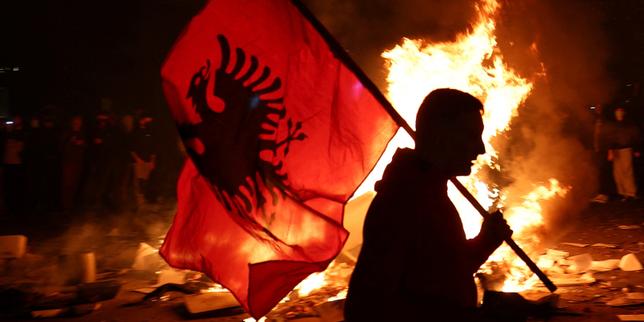
What starts with cardboard flamingos on a coastal lagoon rarely stays polite when a prime minister treats anger like background noise.
In Albania, the flamingo revolution began over land, coastline, and protected wetlands—places like Zvërnec and the Narta lagoon—where locals watched fences and bulldozers push into ground they felt belonged to the public. Protesters held up pink cutouts and inflatables named after the greater flamingos that wade through the Vjosa–Narta ecosystem, chanting that Albania isn't for sale. Months later, that coastal pushback collided with student fury in Tirana, turning into harder street clashes, bigger political demands, and sharp friction between Prime Minister Edi Rama and the people in the streets.
If you've watched movements like this across Europe, you know the pattern. A local fight over development sits on top of deeper frustration—cost of living, wages, university conditions, and exhaustion with entrenched power. When leaders answer with dismissal or force instead of real accountability, peaceful marches often harden into something much sharper.
How a Coastal Fight Turned Into the Flamingo Revolution
Most outsiders think big protests in the Balkans always start with party politics. Honestly, they usually don't.
Around the Narta lagoon and Zvërnec, local residents and environmental activists pushed back in May 2026 against fencing and early construction tied to high-profile luxury tourism plans linked to Jared Kushner's Affinity Partners, alongside earlier coastal land disputes in northern areas like Baks-Rrjoll. Authorities said permit and environmental rules were followed on privately registered land, while critics pointed to opaque planning, restricted public access, and pressure on sensitive ecosystems. That clash gave the movement its visual identity: pink birds standing in for fragile nature and ordinary citizens pushing back against big-money privatization.
Here's the mistake commentators make when a protest gets a quirky symbol. They treat the symbol like a costume party.
When people carry pink flamingos into a street protest in Tirana, it isn't whimsy—it's irony. You're putting a delicate wetland bird right in front of riot shields, water cannons, and concrete. Even when work in a spot like Zvërnec faced pauses or pushback, the anger didn't evaporate because the underlying complaint wasn't just one fence. People were asking who gets to reshape the country, and who gets left out.
Why Edi Rama’s Response Hardened the Streets
Rama has led Albania since 2013, and that kind of longevity breeds a very specific political reflex. When you've run the show for over a decade, every challenge starts looking like noise to manage rather than a warning to heed.
Instead of cooling things down early, the government leaned into dismissal and hard policing. Critics and protesters pointed to accusations of foreign influence, heavy-handed crowd control, hundreds of detentions, and criminal proceedings against demonstrators. Later, when Rama tried to project openness—including setting out chairs or blocks labeled for dialogue—many students flatly rejected it, arguing that talking on his terms just bought him more time without changing anything.
Let's be real about why that backfires.
When citizens already feel ignored over daily basics—tight household budgets, low average pay, strained public services—being brushed off feels like contempt. Announcements about steep pay bumps for police while ordinary workers scrape by only sharpen that contrast. And when high-profile corruption scandals hit close to the top, like proceedings involving former Deputy Prime Minister Belinda Balluku or the suspension and house arrest of intelligence chief Vlora Hyseni amid allegations tied to organized crime, public trust takes another hit.
That's where the flamingo revolution shifted gear. What started as a campaign focused heavily on land and coast expanded into sweeping demands: Rama's resignation, a non-partisan transitional setup, limits on prime ministerial terms, electoral and anti-corruption reforms, and a reset of the social contract.
When Students Joined In, Everything Escalated
By mid-October 2026, university and high school students jumped into the mix in Tirana and other cities, bringing fresh energy and a much sharper edge.
Students care about concrete, immediate stuff. Tuition costs, cramped dorms, worn-out campus facilities, and the grim math of whether staying home after graduation actually pays off. When months of demonstrations looked like they weren't budging the government, frustration spilled into rougher clashes—thrown stones and Molotov cocktails, fires near ministries and banks, and police answering with tear gas and water cannons.
Watching street unrest up close, two things stand out that often get lost in headlines:
- Tactics escalate fast when people feel unheard: Once peaceful marchers decide polite petitions are a dead end, harder elements gain room to push boundaries, even if plenty of protesters just want dignity and answers.
- Sympathy splits quickly: Burning buildings or smashing storefronts gives the government a reason to talk strictly about law and order, which can pull eyes away from housing, schools, and corruption.
It's a messy dynamic. Neither side gets clean control of the narrative once tear gas starts flying.
What Brussels and Observers Are Actually Watching
If you're trying to figure out where this goes next, look past the loudest slogans and watch the institutional pressure points.
European Union officials and members of the European Parliament have voiced worry over rising street violence while stressing that rule of law and democratic standards sit at the core of Albania's EU accession path. Rights monitors have also flagged concerns over civic space and protest policing. Meanwhile, Albania's Special Structure against Corruption and Organised Crime (SPAK) remains a focal point for citizens demanding real legal accountability rather than political theater.
Still, there's plenty of debate over what comes next. Some see a durable generational awakening that has permanently rattled the political establishment. Others warn that street anger without unified leadership or clear legal roadmaps risks burning hot and stalling out—or handing leverage to rival politicians who have their own baggage. Both readings have merit, because political crises rarely move in a straight line.
Practical Ways to Follow and Verify What Happens Next
If you're tracking this story—whether as a regional observer, student, researcher, or someone with ties to Albania—don't rely on a single viral clip. Do a few practical checks instead:
- Cross-check street footage with court and rights reports: Viral clips show peak drama, not the full day. Pair social feeds with updates from outlets like Reporter.al, Civic Space Watch, and international wire reporting to see actual arrest numbers, legal charges, and timelines.
- Separate environmental rules from political claims: When a project or permit is contested, look for primary documents—environmental impact assessments, land registry disputes, and official inspections—rather than assuming a headline tells the whole story.
- Watch institutional milestones, not just rallies: Track SPAK investigations, parliamentary moves, municipal actions, and EU statements to see what actually changes policy or law.
- Keep local voices in context: Pay attention to what residents near contested sites and students on campus say they need day to day, since their priorities often differ from opposition party talking points.



