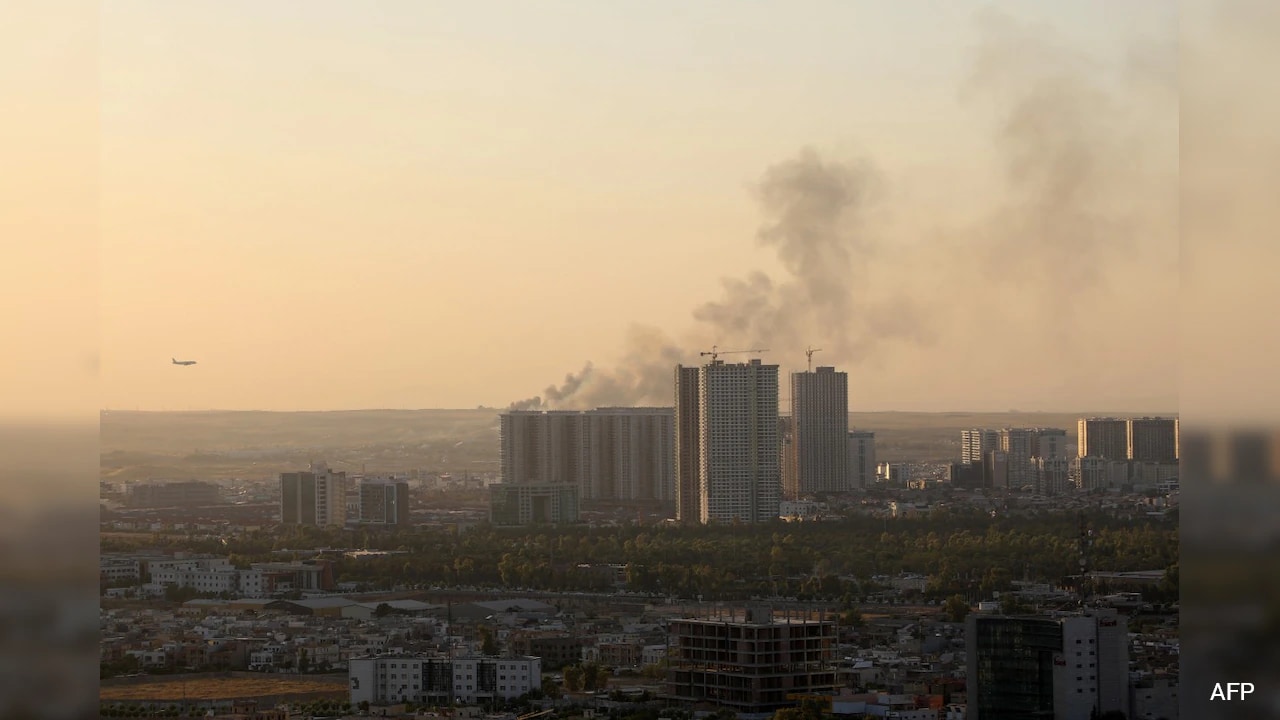
The recurrence of civil defense emergency alerts across the western provinces of Saudi Arabia introduces a stark operational reality for regional security architects. When the National Early Warning Platform broadcasts directives instructing residents and pilgrims to seek shelter, the systemic friction between modern air defense networks and asymmetric aerial threats becomes starkly visible. Two emergency broadcasts directed at the Mecca region within a compressed temporal window indicate that localized defense radiuses are facing persistent operational pressure. Analyzing these events requires moving past episodic panic and examining the underlying mechanics of modern missile interception, civilian early warning logistics, and the strategic calculus governing regional friction points.
The Operational Architecture of Regional Early Warning Systems
Early warning systems operate on a tight calculus of radar cross-section detection, telemetry processing, and automated broadcast triggers. When inbound uncrewed aerial vehicles or ballistic payloads cross territorial perimeters, ground-based phased-array radars track velocity vectors and predicted impact zones.
The primary components of this architecture involve:
- Sensor integration across Red Sea coastal radar installations
- Automated classification algorithms determining threat vectors versus harmless atmospheric anomalies
- Cryptographic broadcast protocols tied to cellular broadcast cells and the National Early Warning Platform
- Decentralized municipal siren grids tied to local civil defense command centers
When multiple warnings occur within weeks, the system's sensitivity threshold undergoes mandatory stress testing. False positive minimization must balance against catastrophic omission risk. In densely populated urban zones like Mecca, where millions of transient pilgrims congregate alongside permanent residents, the margin for error narrows significantly. The acoustic signature of an air raid siren combined with interceptor explosions overhead creates immediate behavioral disruption, forcing a transition from routine civil administration to acute crisis management.
Interception Economics and Asymmetric Cost Functions
Defending high-value religious and administrative zones against low-cost kinetic threats exposes an unsustainable economic asymmetry. The fiscal burden of air defense operations scales disproportionately against the attacker.
- Interceptor missiles deployed by sophisticated battery systems carry multi-million dollar per unit manufacturing and maintenance costs.
- Loitering munitions and modified ballistic variants utilized in regional cross-border strikes represent a fraction of that expenditure.
- Replenishment timelines for advanced missile defense batteries often lag far behind consumption rates during periods of sustained escalation.
- Radar tracking degradation caused by geographical topography in mountainous western regions creates blind spots that demand overlapping battery deployment.
This cost function imbalance forces military planners to prioritize asset protection tiers. Mecca and its surrounding airspace occupy the highest tier of national priority, commanding continuous anti-missile coverage. However, the debris field generated by successful mid-air intercepts poses secondary hazard risks. When shrapnel and unspent rocket motor components descend over inhabited zones or peripheral infrastructure, the physical danger does not end with a successful radar lock and missile detonation. The recent recovery of debris fragments in the Mecca region underscores that kinetic neutralization in the upper atmosphere still leaves localized collateral hazards on the ground.
Geopolitical Signaling and Deterrence Thresholds
Military escalations involving holy sites carry profound psychological and diplomatic ramifications that extend well beyond conventional tactical calculations. Targeting or appearing to target sites of immense religious significance functions as a high-stakes stress test of regional deterrence structures.
State actors and non-state participants operate within a calculus of plausible deniability and calculated ambiguity. When intercepted projectiles approach restricted airspace, diplomatic channels instantly flood with conflicting threat assessments and denials. This environment prevents stable diplomatic de-escalation.
The strategic objectives behind such actions typically involve:
- Compelling coalition partners to divert resources from maritime choke points to internal air defense networks
- Testing the response time and readiness posture of multinational defense pact intelligence sharing arrangements
- Generating psychological friction within civilian populations to pressure political leadership
- Altering the economic risk premium associated with regional trade, tourism, and pilgrimage logistics
When deterrence fails to suppress launches entirely, defensive postures must compensate through absolute technological reliability. Yet, no defense umbrella achieves absolute interception perfection. Every launch cycle represents a stress test of command-and-control responsiveness.
Urban Density and Population Vulnerability Dynamics
Protecting Mecca presents distinct urban planning and crowd management challenges that dwarf standard municipal emergency responses. The spatial concentration of millions of individuals within confined ritual corridors creates unique human geography vulnerabilities.
When a civil defense alert forces immediate shelter-in-place protocols, the sheer density of the environment impedes physical movement. Key structural variables dictate survival outcomes during an air defense event:
- Building construction integrity, specifically reinforced concrete versus traditional masonry
- Vertical proximity to windows, glass facades, and unreinforced rooftop structures
- Pedestrian bottleneck mitigation in subterranean tunnels, open courtyards, and transit hubs
- Communication redundancy when cellular networks experience massive traffic spikes from panicked inquiries
Standard evacuation models assume predictable population distribution patterns. In a religious administrative center characterized by massive diurnal and seasonal fluctuations in human density, static evacuation blueprints fail. Emergency response strategies must account for transient populations unfamiliar with local shelter layouts, linguistic barriers among international pilgrims, and the psychological impact of panic within enclosed spaces.
Resource Allocation and Long-Term Operational Horizons
Managing recurring threat alerts requires structural adjustments to national defense procurement, civil defense infrastructure, and intelligence collection. Relying exclusively on active kinetic interception is an incomplete strategy; long-term security requires preemptive disruption of supply chains, launch platforms, and manufacturing hubs.
Regional authorities face a complex resource allocation problem. Expanding active air defense battery coverage requires massive capital expenditure and specialized technical personnel. Meanwhile, civil defense agencies must continuously train municipal staff to manage post-intercept recovery operations, debris clearing, and public safety enforcement without disrupting vital infrastructure.
The persistent recurrence of these alerts signals that tactical containment is no longer sufficient. Security strategies must evolve to integrate predictive intelligence, active electronic warfare capabilities, and robust diplomatic frameworks that raise the cost of cross-border kinetic provocations to prohibitive levels. Without structural changes in deterrence architecture, urban centers across the region will continue to operate under a permanent shadow of airborne vulnerability, where every radar blip triggers a high-stakes race between automated defense protocols and civilian catastrophe.