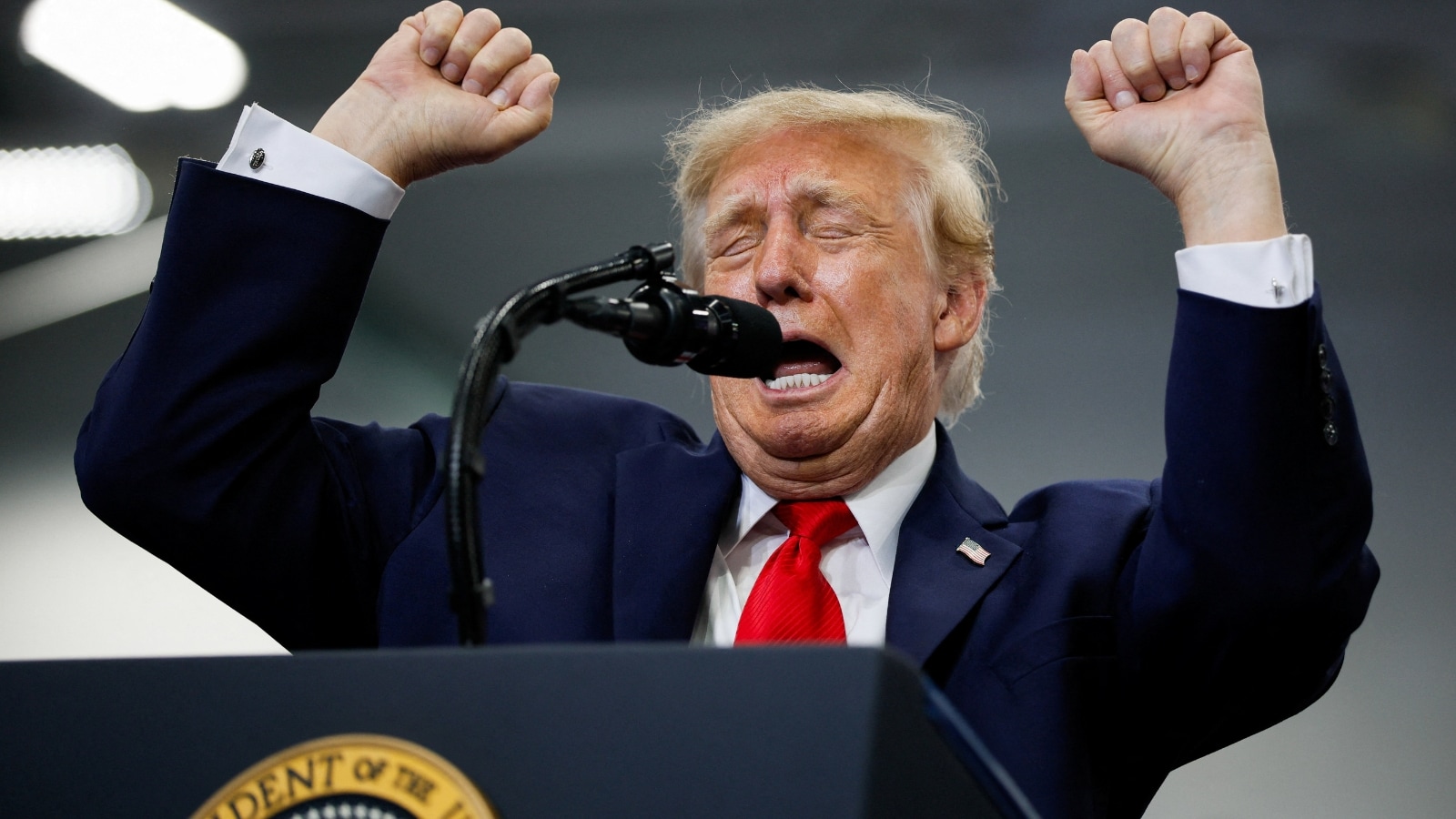
Voters walked into polling booths in November 2026 angry about grocery receipts, utility bills, and gas prices, handing Democrats control of both the House and the Senate. Yet flipping Congress doesn't automatically erase President Donald Trump's signature policies.
That gap between voter frustration and policy reality is the central paradox of this election cycle. Americans sent a loud message about the cost of living. Still, the constitutional tools, statutory authority, and partisan math left in Washington mean much of the administration's agenda stays intact unless something dramatic breaks.
Why Affordability Drove the 2026 Midterms
Ask anyone who tracks kitchen-table politics what moved voters this fall and the answer is straightforward: basic expenses kept biting harder than headline economic numbers suggested. Even when macroeconomic indicators look decent on paper, people judge their finances by what leaves their checking account every week.
Polling from Navigator Research shows that 60% of 2026 midterm voters ranked inflation and the cost of living among their top five issues, including 68% of independents and 67% of voters who backed Trump in 2024 before voting Democratic this time around. Healthcare (34%), Social Security and Medicare (33%), government corruption (33%), and immigration and ICE (30%) trailed behind as secondary drivers.
Three specific pressures squeezed household budgets simultaneously:
- Higher price plateaus and stubborn inflation: Consumer inflation, which sat around 2.3% in 2025 and started 2026 near 2.4%, climbed back up to 3.7%, well above the Federal Reserve's 2% target. Even when monthly price growth slows, families don't get a refund on prior years' price jumps.
- Energy and fuel spikes: Middle East conflict and disruption linked to the war with Iran sent gasoline prices surging—jumping 9.1% in a single month and sitting 34.2% higher year over year in pre-election reporting, while pushing up diesel and energy costs across supply chains.
- Tariffs and healthcare costs: Economists and trade analysts pointed to broad tariff actions raising import costs on everyday goods, while rising monthly health insurance premiums and stagnant real wages left millions feeling squeezed. A 2026 report from United for ALICE found that 41.3% of U.S. households—more than 54.5 million families—faced financial hardship in 2024, with basic necessity costs continuing to outpace overall inflation into 2025 and 2026.
When gas, groceries, and insurance premiums all rise at once, abstract GDP growth doesn't pay the bill. Voters treated the midterms like a receipt check.
I've watched plenty of midterm cycles where pundits over-index on cable news fights or cultural flashpoints. Honestly, when fuel and food jump together, voters rarely overthink it—they blame whoever holds power and look for relief. That dynamic fueled a major Democratic wave, flipping the Senate to a 56–44 Democratic majority (including independents who caucus with Democrats) after a net nine-seat gain and handing Democrats a commanding House majority with dozens of Republican-held seats flipped.
Why a Democratic Win May Not Change Trump's Policies
Winning gavels in January 2027 gives Democrats subpoena power, committee control, and leverage over government funding. It does not give them a magic eraser.
Vetoes and Supermajority Math
Passing legislation that actually changes national policy requires a signature from the president—or a two-thirds supermajority in both chambers to override a veto. Even with a sweeping House pickup projected around the mid-to-high 250s and a nine-seat Senate gain, Democrats fall well short of 290 House votes and 60 Senate votes.
That math matters every single day. Senate Republicans still have enough seats to sustain a filibuster against partisan bills, and Trump retains veto power over anything Congress sends to his desk. If Democrats pass a bill repealing tariffs or restricting executive actions, it faces an almost certain veto with no realistic override path unless enough Republicans defect.
Executive Authority on Trade, Borders, and Foreign Policy
A huge chunk of the Trump administration's agenda runs through executive orders, proclamations, agency directives, and statutory authorities rather than fresh laws from Congress. As of late October 2026, Ballotpedia tracked 45 executive orders, six memoranda, and 32 proclamations tied to trade and tariffs alone during Trump's second term.
Trade analysts at the Council on Foreign Relations and Americas Quarterly have noted that undoing tariffs through Congress is tough for two reasons. First, presidents have broad unilateral levers under existing trade statutes, and Trump can veto legislative rollbacks. Second, tariff walls have become sticky across administrations—the Biden administration kept most Section 301 China duties and Section 232 tariffs in place rather than wiping them out—and tariff revenue has become woven into federal fiscal math.
Foreign policy and enforcement face similar limits. While Congress controls appropriations and can hold hearings on everything from conflict in Iran to aid for Ukraine or agency operations, the commander-in-chief still controls day-to-day executive actions, diplomatic posture, and enforcement priorities unless lawmakers attach ironclad funding restrictions that survive a veto.
Where Divided Government Actually Bites
Saying policies won't automatically flip doesn't mean nothing changes. Divided government shifts the battlefield from passing big new laws to blocking, investigating, and negotiating.
- Oversight and investigations: With control of House and Senate committees, Democrats can launch aggressive probes into agency contracts, executive actions, and alleged ethics or corruption issues—an area voters flagged when 89% of U.S. adults in a September 2026 Gallup poll viewed government corruption as widespread.
- Spending deadlines and must-pass bills: Government funding bills, debt limits, and defense or farm authorizations give Democrats real choke points, though brinkmanship carries political risks for whoever voters blame for gridlock.
- Judicial and executive confirmations: A Democratic Senate majority changes who gets confirmed—or blocked—for federal judgeships and key appointments, slowing down ideological reshaping of the courts and agencies.
What This Means for Households, Markets, and Policymakers
One common mistake people make right after an election is assuming that a wave result means prices will drop next month or that sweeping policy reversals are immediate. Political shifts take time to show up in real life, and sometimes they don't show up on price tags at all.
For families and business owners, the practical takeaway is to plan around sticky costs rather than hoping for instant relief. Tariffs, energy shocks, and elevated interest rates or premiums don't vanish overnight just because congressional control changes hands. Importers and retailers still have to price supply-chain costs and carve-outs, and households still need cushions against volatile fuel and grocery bills.
For investors and policy watchers, watch congressional hearings, tariff exemption fights, and budget negotiations closely, while keeping your eyes on executive actions and the Federal Reserve. Headline-grabbing bills in a Democratic Congress may be designed more to build a 2028 record than to become law.
If you're trying to make sense of the next two years without getting whiplash from daily political noise, take three concrete steps:
- Audit your fixed and variable monthly expenses: Separate essentials you can't easily trim (rent or mortgage, insurance, utilities, core groceries) from flexible spending so sudden spikes in fuel or food don't force high-interest debt.
- Track policy levers, not just press releases: Pay attention to executive orders, customs and tariff rulings, and spending deadlines rather than assuming a bill passing one chamber will become law.
- Build a cash buffer for volatility: With inflation still running above 2% and geopolitical shocks rattling energy markets, keeping a modest cash reserve gives you room to maneuver while Washington argues.


