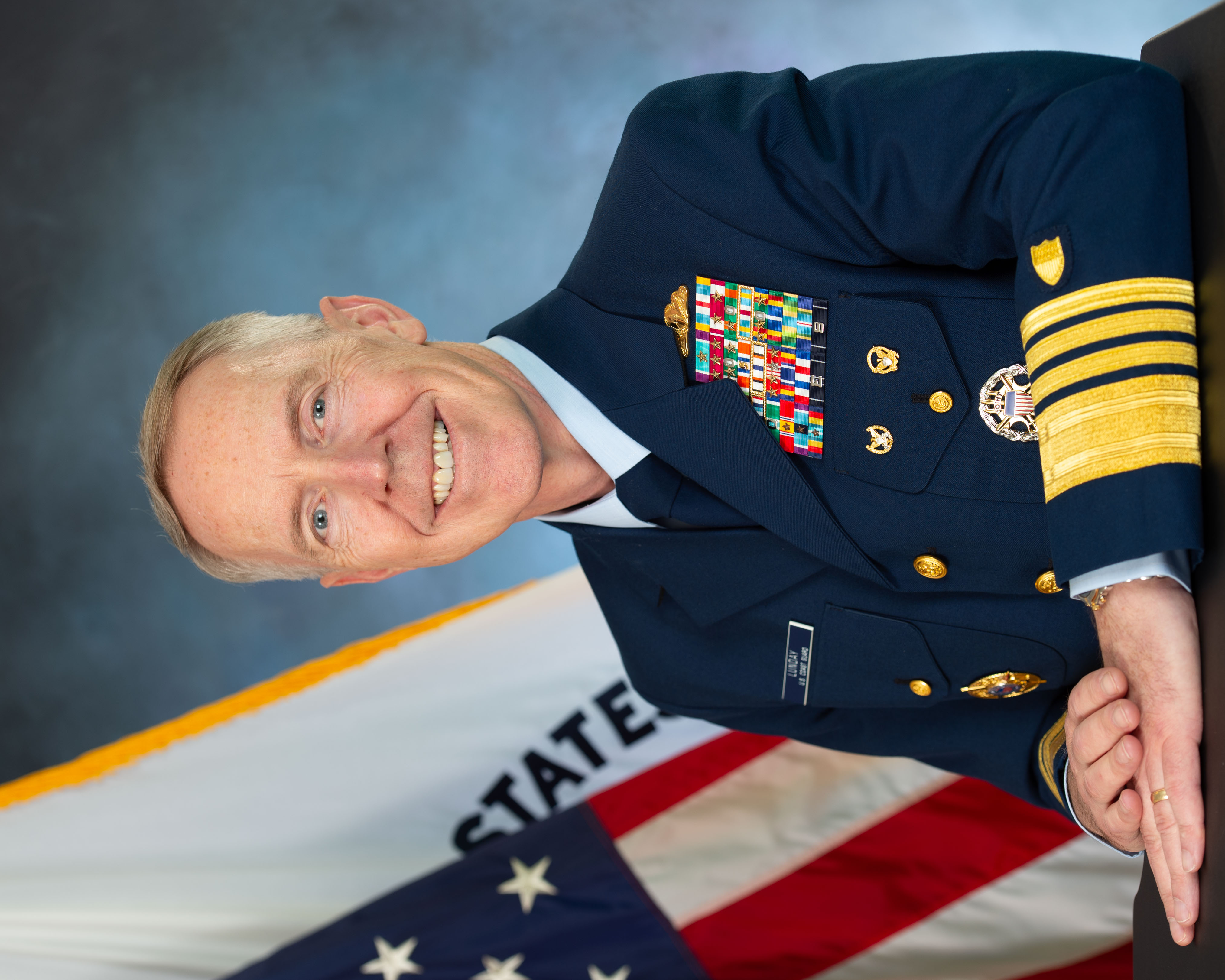
US Ambassador Eric Garcetti hosted Admiral Samuel Paparo, head of the US Indo-Pacific Command, during a high-stakes diplomatic and military mission to New Delhi. This visit was framed through the usual diplomatic channels as a routine enhancement of bilateral defence ties. That reading misses the entire point. Behind closed doors, military planners and diplomats are scrambling to address a rapidly shifting balance of power across the Indo-Pacific region. Beijing continues to expand its naval footprint across the Indian Ocean basin. Washington and New Delhi are attempting to forge an integrated deterrence architecture before time runs out.
The geopolitical geography of the Indian Ocean makes it the world's most critical maritime chokepoint. Nearly eighty percent of global oil shipments and a massive share of containerized cargo transit through these waters. For decades, the Indian Navy has operated as the primary net security provider in its immediate neighborhood. Yet, the sheer scale of the modernization program undertaken by the People's Liberation Army Navy has forced a strategic reckoning in both capitals. Admiral Paparo’s presence in New Delhi signals an urgent shift from loose joint exercises to concrete, operational interoperability. Don't miss our previous post on this related article.
India has historically guarded its strategic autonomy with fierce independence. Decades of non-alignment doctrine mean that New Delhi traditionally avoids formal military alliances. It prefers multi-alignment, purchasing hardware from disparate sources while maintaining independent command structures. Washington understands this historic posture well. Instead of pushing for a mutual defense treaty that would trigger immediate political resistance inside India, US strategy focuses on logistical integration and intelligence sharing.
This is where agreements like the Logistics Exchange Memorandum of Agreement and the Communications Compatibility and Security Agreement become vital. They allow American and Indian warships to refuel at each other's facilities and share secure data streams in real time. During Paparo's visit, discussions centered on transforming these bureaucratic frameworks into operational realities. If a crisis erupts in the Malacca Strait or the Arabian Sea, waiting for diplomatic clearance to share targeting data or secure logistics is a luxury neither military can afford. If you want more about the history of this, The Washington Post provides an excellent breakdown.
The industrial side of this defense partnership reveals deeper structural friction. Washington wants New Delhi to serve as a reliable regional maintenance hub for American-built military hardware. The Pentagon recently signed maintenance agreements allowing US naval vessels to undergo repairs in Indian shipyards. This solves a major bottleneck for the US Navy, whose domestic dry docks face severe maintenance backlogs. At the same time, Indian defense planners demand technology transfer rather than mere equipment purchases. Prime Minister Narendra Modi’s administration pushes hard for domestic manufacturing under the Make in India initiative. Buying off-the-shelf weapons no longer satisfies New Delhi's long-term industrial ambitions.
Co-production remains the ultimate test of this relationship. General Electric and Hindustan Aeronautics Limited recently advanced discussions regarding the joint production of jet engines for Indian fighter aircraft. Negotiating intellectual property rights and transfer timelines always proves grueling. American defense contractors guard proprietary technology with intense regulatory oversight, while Indian bureaucrats demand guarantees on cost and localized manufacturing output. Paparo’s engagement with Indian military leadership ensures that operational urgency filters down into these stubborn procurement bureaucracies.
Beijing watches these developments with intense scrutiny. China's string of pearls strategy secures commercial and military access points across the Indian Ocean, from Gwadar in Pakistan to Hambantota in Sri Lanka. These dual-use facilities provide Chinese submarines and surface combatants with refueling and replenishment nodes far from their home ports. When Admiral Paparo meets with Indian counterparts, undersea domain awareness dominates the agenda. Tracking quiet diesel-electric and nuclear submarines across deep ocean trenches requires a synchronized network of acoustic sensors, maritime patrol aircraft, and satellite surveillance. Neither the United States nor India possesses a complete picture of the basin alone. Combining American sensor architecture with Indian maritime domain expertise creates a formidable intelligence shield.
Critics within the Indian foreign policy establishment still warn against locking step too closely with Washington. They argue that tying Indian naval ambitions to American Indo-Pacific strategy risks drawing the country into a conflict in the Taiwan Strait or the South China Sea. These concerns carry weight. New Delhi has no desire to become a proxy for American containment policies against Beijing. Yet, the reality on the maritime frontier dictates a pragmatic convergence of interests. China's assertive posture along the Himalayan border and its growing naval patrols in the Indian Ocean have effectively dismantled the old arguments for strategic isolation.
The diplomatic optics managed by Ambassador Garcetti mask the hard-edged military calculus driving these diplomatic exchanges. This is not about photo opportunities or vague communiques celebrating shared democratic values. It is a calculated race to secure supply lines, harmonize command systems, and establish a credible deterrent before maritime imbalances become irreversible. As Admiral Paparo departs New Delhi, the real work begins in the operations rooms and defense ministries where strategic theory meets the unforgiving reality of naval power.