The studio lights hum before the first word is spoken.
Across British Columbia—from rain-slicked ferries crossing the Strait of Georgia to cramped apartment kitchens in Surrey and woodstoves glowing in the northern interior—people lean toward screens and radios, waiting to see who blinks first. A leaders' debate looks like television theater. Podiums lined up like chess pieces. Clock ticks measuring every second of a sixty- to ninety-minute broadcast. Yet if you listen closely enough, the real contest rarely happens inside the rehearsed lines. It happens in the pauses.
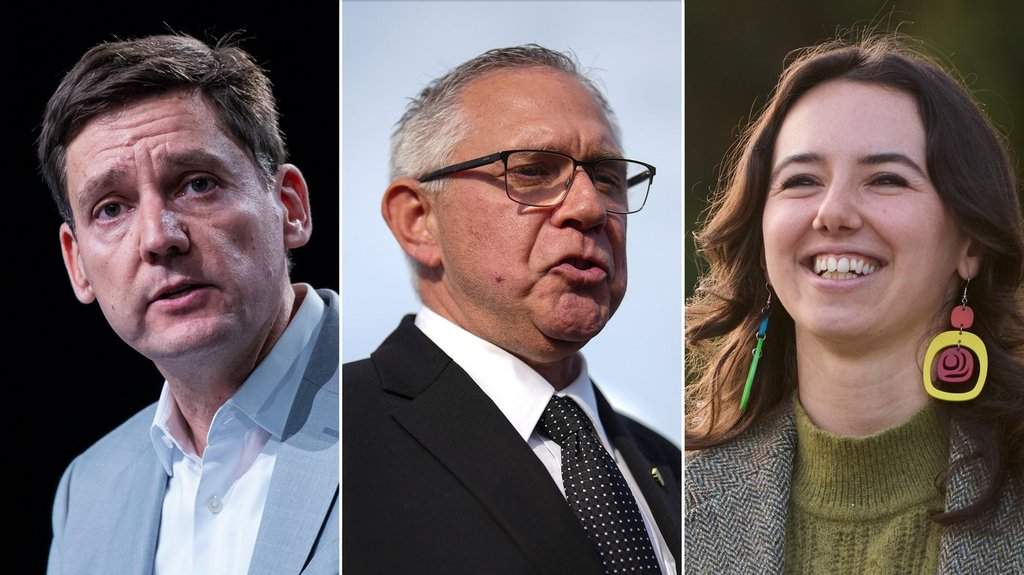
When provincial party leaders square off before an election—such as the October 2026 showdown moderated by Angus Reid Institute president Shachi Kurl featuring BC NDP leader David Eby, BC Conservative leader Lorne Doerkson, and BC Green Party leader Emily Lowan—voters often get handed a dry checklist of times, channels, and talking points. Watch here. Stream there. Track the segments on government finances, affordability, housing, healthcare, public safety, and Indigenous rights. Important? Yes. Alive? Not until you trace what those podium promises cost a real family on a Tuesday afternoon.
The Kitchen Table Behind the Podium
Stats are easy to wave away. Budgets read like phone books.
Consider a hypothetical scenario—a composite picture drawn from everyday struggles across the province rather than one single household. Picture Nadia and Ben, a couple living in a one-bedroom suite in Burnaby with a toddler and a renewal notice on their lease that climbs higher than their monthly grocery bill. Ben drives or commutes through rain that turns highway lanes into mirrors; Nadia works shifts where a late bus or a sick child can wipe out an hour's pay. When a politician says "affordability" or "housing supply" during a live broadcast, Nadia isn't grading sentence structure. She is wondering whether next year's rent will force them to move farther from the clinic that knows her son's name.
That is why watching a live debate feels personal even when the cameras stay fixed on suits and microphones. A leader's tone under pressure tells you something a press release never can. Does someone answer the question asked, or pivot into a speech they memorized three weeks ago? Do they listen when an opponent challenges a number, or talk right over the clock?
I have sat in enough living rooms and community halls during campaign seasons to know how quickly policy jargon turns into white noise. People get tired. Cynicism feels like armor when bills pile up and promises sound recycled. Admitting that politics can feel exhausting—and sometimes confusing when party rosters shift or snap elections compress the calendar—is only fair. You do not need a political science degree to tell when someone is dodging reality. You just need to watch their eyes when the moderator pushes back.
How to Listen Beyond the Soundbites
Think of a leaders' debate like a structural stress test on a bridge. A blueprint looks clean on paper, and a ribbon-cutting looks great on camera, but weight and wind reveal whether the steel holds.
During an election debate, the "weight" is a real problem facing British Columbians—rising household costs, strained emergency rooms, housing pressure, economic shifts, or questions around accountability and governance. The "wind" is live opposition and unscripted follow-ups. When a leader answers a tough question with clear trade-offs rather than magic fixes, you get a glimpse of how they might govern when something goes sideways at two in the morning.
- Watch the trade-offs, not just the applause lines. Every policy choice has a price tag or a friction point. Notice who admits what is hard.
- Track consistency under interruption. Open debate segments expose temperament faster than opening statements. Watch who stays steady and who gets rattled.
- Compare lived reality against big numbers. A macro figure means little if it ignores how people actually live, commute, heal, and pay rent.
Many viewers also wonder whether a single televised clash really changes minds or simply entertains die-hard supporters. Historically across Canadian politics, debates rarely flip every voter overnight, yet they often sharpen contrast at crucial moments—highlighting leadership style, exposing weak spots, and giving undecided voters a side-by-side look before ballots are cast. Even when a broadcast leaves you skeptical, watching it live keeps power visible.
Stakes That Outlast the Broadcast
The cameras eventually cut to commercials. The studio empties. Within hours, clips get sliced, shared, and argued over across every social feed in the province.
Yet the decisions shaped by an election cycle stay behind long after the microphones go cold. They show up in whether a young nurse can afford to stay in her hometown, whether a small business survives a rough season, whether a family feels safe walking home after dark, and whether trust between citizens and government bends or breaks.
Quiet.
That is how a room goes when a leader finally speaks plainly about something painful instead of hiding behind slogans—and in that quiet, you can hear whether democracy is merely performing, or actually listening.
2026 BC election leaders debate | FULL
This full broadcast of the 2026 British Columbia leaders' debate lets you hear directly how the provincial party leaders addressed affordability, housing, healthcare, and leadership under live scrutiny.


