The $95 Oil Panic Is Built on a Lie
Financial headlines are blaring about crude breaking past $95 a barrel. Wall Street analysts are rushing to update their apocalyptic $100 price targets, citing diplomatic posturing with Iran and friction points along maritime transit lanes.
It’s a comfortable narrative. It’s dramatic. It’s also completely dead wrong.
What the consensus calls a geopolitical supply crunch is actually a mechanical squeeze created by artificial paper markets and short-term inventory management. Traders are treating localized shipping detours and diplomatic grandstanding as systemic disruptions to global energy flows. I have watched risk desks blow tens of millions of dollars hedging against phantom shortages every time a politician makes a aggressive statement on televised news or a freight carrier changes a transit route.
The underlying fundamentals tell a starkly different story. Global production capacity isn't drying up. Physical crude is moving. The market is mistaking temporary logistics friction for structural scarcity.
The Logistics Myth: Shipping Routes Don't Vanish, They Re-Route
When headlines trumpet that a "key trade route is disrupted," the immediate market assumption is that barrels are disappearing from the global balance sheet.
They aren't.
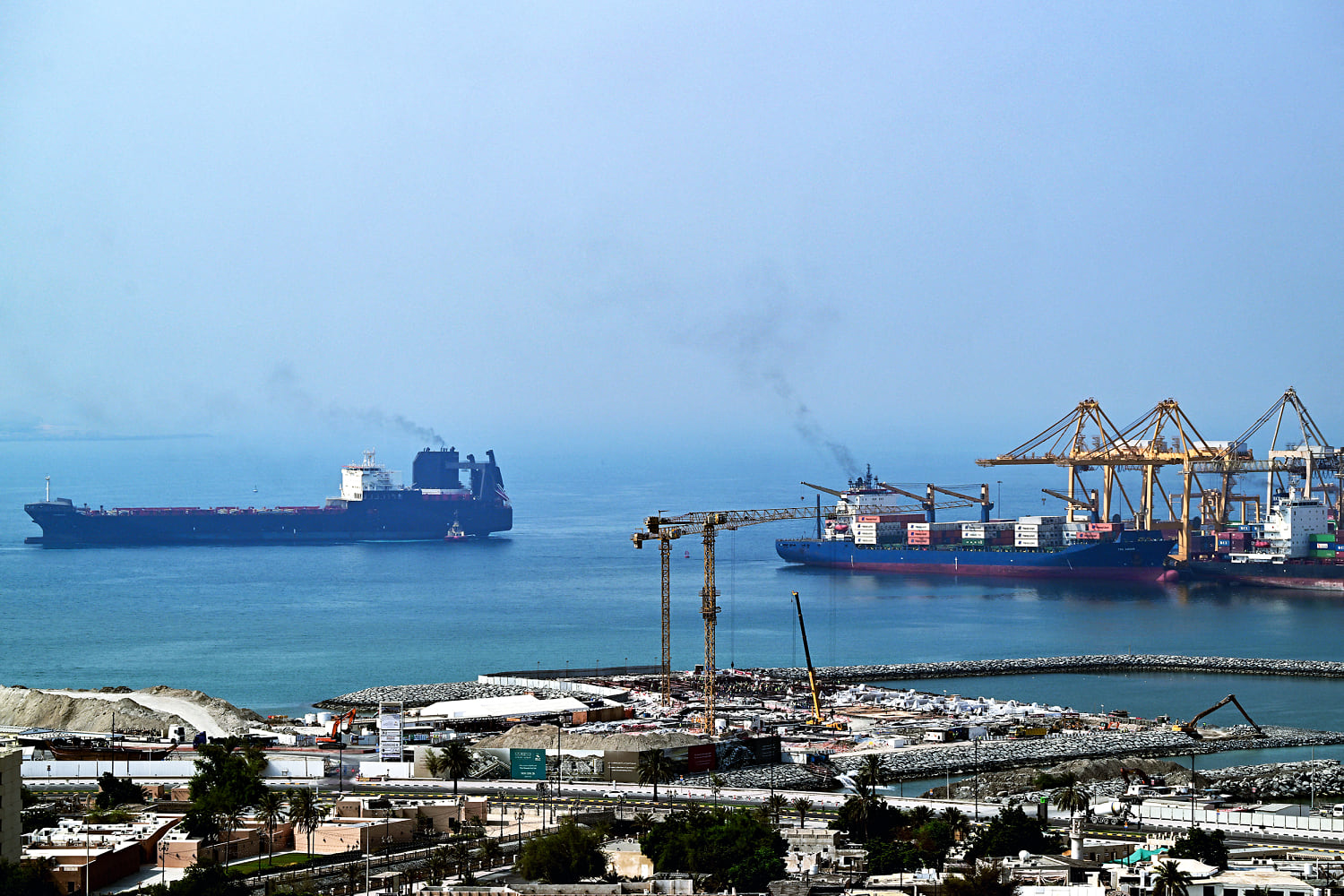
Physical commodities always find the path of least resistance. When a primary maritime corridor faces friction, ships don't drop anchor indefinitely and hold their cargo in limbo; they re-route around the choke point. Yes, taking the long way around adds ton-miles. It increases transit time by days or weeks, drives up charter rates, and spikes short-term insurance premiums. But adding time to a voyage is a transport efficiency problem, not a resource depletion crisis.
+-------------------------------------------------------------------+
|               THE FREIGHT COST vs. SUPPLY REALITY                  |
+-------------------------------------------------------------------+
| Media Narrative: Freight Bottleneck = Lost Supply = Price Hike    |
| Actual Mechanics: Transit Delay = Temporary Floating Storage      |
+-------------------------------------------------------------------+
Think of it as temporary floating storage. While those extra barrels are sitting on tanker hulls traveling extended routes, they are still on their way to refinery gates. The physical supply didn't evaporate. In fact, extended transit times mean more crude is actively sitting on water right now than was present two months ago. Once those delayed voyages complete their arrivals on staggered schedules, refiners will be swimming in delayed deliveries right as seasonal demand turns cold.
The panic buyers driving crude past $95 are paying a premium for paper contracts today, oblivious to the physical wall of supply currently steaming around maritime capes.
The Geopolitical Theater: Why Washington's Iran Rhetoric Is Pure Noise
The second leg of the current market hysteria rests on the assumption that Washington "downplaying diplomacy" with Tehran signals an imminent, hard-line shutdown of Iranian exports.
This ignores how energy policy actually operates behind closed doors.
+-------------------------------------------------------------------+
|                 OFFICIAL RHETORIC VS. ENFORCEMENT                 |
+-------------------------------------------------------------------+
| Public Stance: Hardline diplomacy, strict sanction warnings       |
| Market Reality: Tacit enforcement waivers to keep pump prices low |
+-------------------------------------------------------------------+
No administration willingly chokes off a million barrels per day of global supply during an election cycle or a delicate domestic economic period. The public rhetoric aimed at Iran is designed for domestic political consumption and diplomatic posture. The operational enforcement of sanctions, however, tells the real story.
Shadow fleets continue to load at Kharg Island. Refineries in Asia continue to take those cargoes. The enforcement apparatus intentionally operates with just enough elasticity to keep those barrels in the global mix. Why? Because pump prices at home drive consumer sentiment far more directly than tough-on-foreign-policy soundbites do.
Assuming that aggressive press briefing statements automatically translate to enforceable, physical supply cuts is a rookie mistake. The real-world barrels are still flowing, regardless of what the podium speeches claim.
The Paper Market Paradox: Financial Contracts vs. Physical Barrels
To understand why this price spike is unsustainable, you have to split the futures market from the physical wet-barrel market.
- The Paper Market: Managed money, hedge funds, and algorithmic CTA bots buying West Texas Intermediate (WTI) and Brent futures contracts based on news-headline triggers.
- The Physical Market: Actual refiners buying physical cargoes from producers to crack into diesel, gasoline, and jet fuel.
Right now, the paper market is driving the bus. Algorithmic trading programs are tuned to scan news wires for words like "Iran," "Disruption," and "Surge." When those triggers fire, trend-following funds pile into long futures positions. This creates a self-fulfilling price cascade. The price goes up because funds buy, and funds buy because the price is going up.
"The paper market calculates sentiment. The physical market calculates logistics. When sentiment outpaces logistics, the crash is swift."
Look closer at physical refining margins (crack spreads). If true physical scarcity were driving crude to $95, refiners would be aggressively bidding up physical barrels because their margins for finished products would be booming. Instead, crack spreads are compressing. Refiners are finding it increasingly difficult to pass on $95 crude costs to end-consumers who are already cutting back on fuel usage.
When refiners can no longer turn a profit processing $95 crude, they do what they always do: they dial back run rates, initiate maintenance early, and stop buying physical barrels. That is the point where the paper rally slams face-first into a wall of economic reality.
What the "Lazy Consensus" Gets Wrong About OPEC+ Strategy
The mainstream narrative claims OPEC+ is orchestrating an artificial shortage to force prices permanently higher. This analysis fundamentally misunderstands the long-term game theory of cartel management.
+-------------------------------------------------------------------+
|                 THE OPEC+ TIGHTROPE BALANCE SHEET                 |
+-------------------------------------------------------------------+
| SHORT-TERM GOAL: High per-barrel price ($90+)                     |
| LONG-TERM RISK: Loss of market share to US shale & non-OPEC       |
| BREAKING POINT: Destruction of demand in developing markets       |
+-------------------------------------------------------------------+
Sustained prices above $90 don't just incentivize non-OPEC production—they act as a massive subsidies program for American shale, Brazilian offshore, and Guyanese developments. Every month that Brent stays near $100, field operators in the Permian and Bakken lock in lucrative hedges, draft completion rigs, and prepare to flood the market with new supply 12 months down the line.
Furthermore, extreme prices trigger immediate demand destruction in cost-sensitive emerging markets. Countries across Southeast Asia and Latin America begin cutting back fuel imports or switching to cheaper alternatives.
OPEC+ knows this dynamic intimately. Their sweet spot isn't $100+ oil that destroys their future market share; it's a stable, predictable range that maximizes revenue without accelerating fuel switching or incentivizing rival drilling capital. Pushing crude into the high $90s on paper hype sets up the exact conditions that force OPEC+ to eventually increase output just to protect their global footprint.
Action Plan: How to Position Against the Consensus
If you are evaluating energy exposure, managing corporate risk, or looking at market allocations, stop reading daily headline tickers and start watching the physical mechanics.
- Ignore Headlines, Watch Physical Premiums: Pay attention to physical cash differentials (like West Texas Sour or North Sea Dated) rather than the prompt month futures contract. If physical premiums aren't expanding alongside futures, the rally is built on sand.
- Track Tanker Rates: High freight rates mean longer transit times, not lost barrels. Treat maritime detours as a temporary lag in the supply chain, not a permanent reduction in global crude inventory.
- Monitor Refiner Run Rates: Watch whether global refineries are increasing or decreasing their crude processing throughput. When refiners reduce capacity because raw material costs eat their margins, a crude price correction is imminent.
- Stop Hedging Geopolitical Rhetoric: Buying long-term protection at the top of a news-driven commodity spike is an easy way to burn capital. Structure risk management around structural supply-demand balances, not press conference statements.
The current surge past $95 isn't the beginning of a structural, long-term energy shortage. It is a classic late-cycle headline rally driven by algorithmic paper buying, prolonged freight routes, and political theatrics.
When the extended shipping routes complete their deliveries, paper funds take their profits, and refiners pull back to protect their margins, the physical reality will assert itself once again. The market isn't out of oil. It's just out of perspective.