Silence.
That is the sound of a forty-five-million-dollar fastball tearing through the humid August air in Flushing, right before it explodes into the leather pocket of a catcher's mitt at one hundred miles an hour. To the forty thousand fans leaning forward in their plastic seats at Citi Field, that pop is pure euphoria. It feels like permanence. It feels like buying a piece of the future and locking it in a vault.
When the New York Mets handed Tarik Skubal a staggering $450 million contract, the baseball world reacted with the predictable, breathless theater of an offseason blockbuster. Back-page headlines screamed about a new empire in Queens. Talk radio hosts hyperventilated over Steve Cohen’s bottomless checkbook. And three thousand miles away, in the sun-drenched offices of Dodger Stadium, the Los Angeles Dodgers watched the ink dry, closed their checkbooks, and quietly exhaled.
To understand why Los Angeles should feel a profound sense of relief tonight, you have to look past the box scores and the highlight reels. You have to look at the anatomy of a human elbow.
The Cruel Arithmetic of the Human Arm
I have spent two decades standing near batting cages and sitting in the cold concrete tunnels beneath Major League stadiums, listening to the sounds players make when the cameras are turned off. You learn quickly that baseball is not played by superheroes. It is played by men whose bodies are engaged in a constant, losing war against physics.
Consider a hypothetical pitching coach—let’s call him Marcus—sitting in a dimly lit video room at two in the morning. On his monitor, in ultra-slow motion, is the delivery of an elite left-handed starter. Marcus isn't watching the ball. He is watching the ulnar collateral ligament, a band of tissue no thicker than a shoelace, absorbing enough rotational torque to snap a piece of seasoned oak. Every single pitch is a microscopic trauma. Every ninety-nine-mile-per-hour heater is a withdrawal from a finite biological bank account.
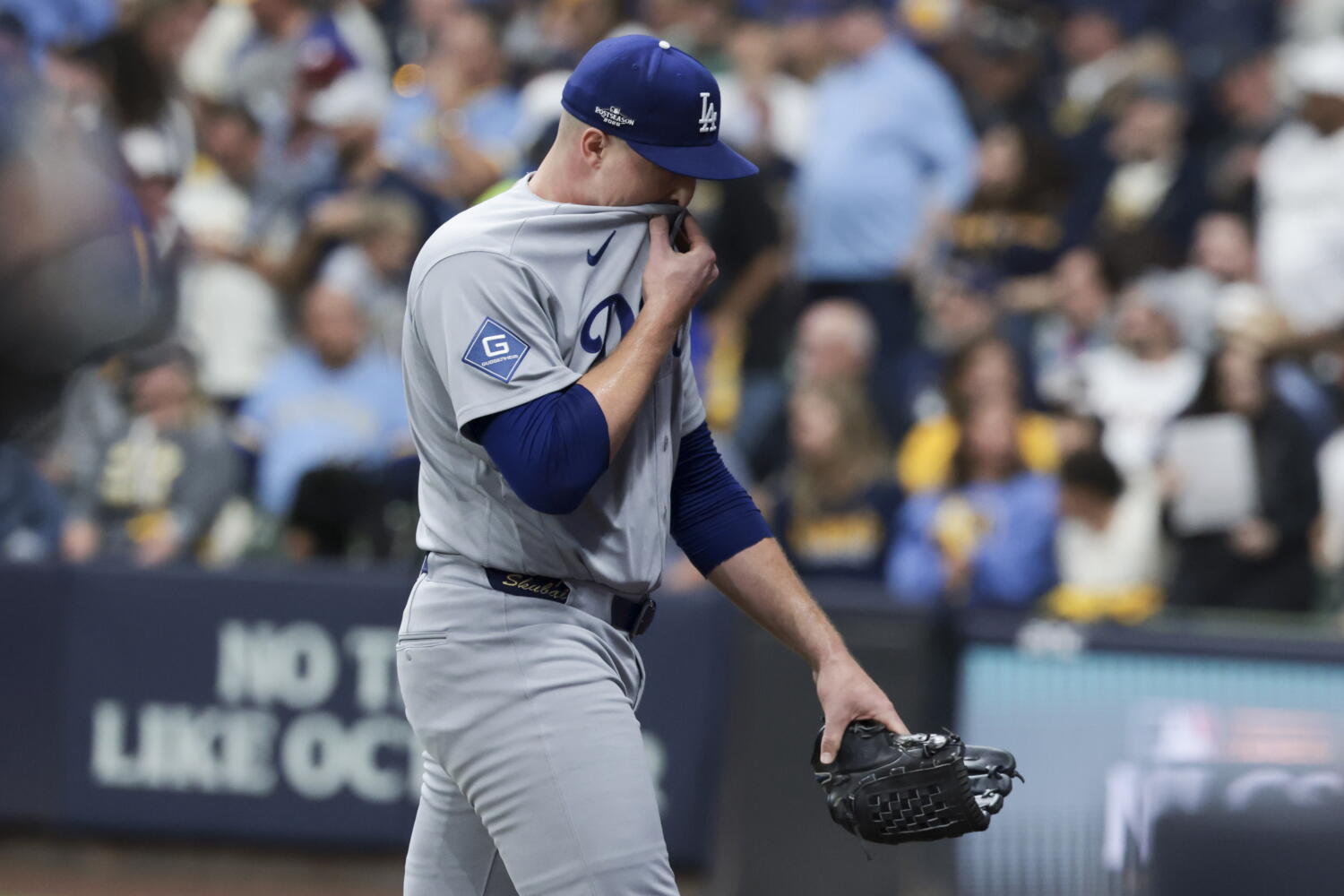
Tarik Skubal is, by every modern metric, a marvel of pitching mechanics and competitive fury. Watching him work the corners of the strike zone, painting the black with a devastating changeup before blowing a four-seamer past a helpless hitter’s chin, is akin to watching a master watchmaker assemble a timepiece during an earthquake. He earned his Cy Young pedigree through sweat, precision, and an almost terrifying intensity on the mound. When he is healthy, there is no better left-handed pitcher on the planet.
Those four words—when he is healthy—are the trapdoor beneath every megadeal in modern sports.
Before his transcendent peak in Detroit, Skubal already endured the silent, grueling purgatory of flexor tendon surgery, losing huge chunks of his early twenties to rehab facilities and cold tubs. Yet the Mets looked at his electric arm, looked at their own desperate hunger to escape the shadow of the Bronx, and decided to wager nearly half a billion dollars on the hope that biology would suddenly make an exception for them.
Why Los Angeles Walked Away from the Table
If any franchise in sports knows the seductive poison of the mega-pitching contract, it is the Dodgers.
Los Angeles is not a poverty franchise clipping coupons. They are the Goliath of the National League, a juggernaut that spent over a billion dollars in a single winter to bring Shohei Ohtani and Yoshinobu Yamamoto to Chavez Ravine. When Andrew Friedman and the Dodgers' front office want a player, they rarely lose a bidding war because they ran out of cash. When they walk away, they walk away because the math has turned toxic.
Think about what the Dodgers are currently managing inside their own clubhouse. They have lived through the heartache of watching Walker Buehler battle back from two Tommy John surgeries. They have watched Dustin May’s electric career get repeatedly derailed by freak injuries and surgical scars. They have seen Tyler Glasnow, a pitcher with some of the nastiest raw stuff in baseball history, sidelined right when October demanded his presence most. Even Ohtani, the greatest two-way talent the game has ever seen, spent an entire season relegated strictly to the batter's box while his elbow healed.
Los Angeles did not pass on Tarik Skubal because they doubted his greatness. They passed because they have seen this movie before, and they know how the third act usually ends.
To invest $450 million into a single starting pitcher in his late twenties is to bet against a century of medical evidence. Unlike a generational hitter—a Juan Soto or a Shohei Ohtani, whose plate discipline and bat speed can age gracefully into their late thirties—a power pitcher is a depreciating asset from the moment he signs the contract. Velocity fades. Spin rates dip. The margin for error shrinks from inches to millimeters.
Let’s use an analogy that every homeowner understands. Buying a transcendent position player on a twelve-year deal is like buying prime beachfront real estate; even if the house needs a new roof in year eight, the land itself retains immense value. Paying $450 million for a power pitcher is like buying a Formula One race car at the peak of its championship run and promising to pay peak maintenance fees for the next decade, knowing full well that the engine was never designed to survive a hundred thousand miles.
The Invisible Weight of Half a Billion Dollars
There is a human cost to these numbers that rarely makes it into the analytical breakdowns of contract value and wins above replacement.
Imagine walking into a clubhouse every fifth day knowing that your employer has staked nearly half a billion dollars on your left shoulder. Every slight twinge in your forearm during warmups becomes a front-page crisis in New York. Every rough inning in May triggers an avalanche of talk-radio fury about wasted payroll and luxury tax penalties.
I remember talking to a veteran reliever years ago after he signed a massive free-agent deal that immediately went sideways due to a nagging back injury. He told me the hardest part wasn't the physical pain; it was the feeling of walking past the trainers and the front-office executives in the hallway and feeling like an expensive mistake. The money doesn't insulate you from the pressure. It amplifies it until the air in the locker room feels thin.
For the Mets, this contract is an act of pure organizational will. Steve Cohen wants a World Series trophy in Queens, and he is willing to light astronomical sums of money on fire to buy a ticket to the dance. In the short term, it might even work. If Skubal stays upright for the next two or three Octobers, Citi Field will shake to its foundations, and Mets fans will gladly tell the rest of baseball to stick their spreadsheets where the sun doesn't shine.
Sports, after all, are not played on balance sheets. Fans don't cheer for payroll flexibility. Nobody buys a jersey with "Luxury Tax Threshold" stitched across the back.
The Architecture of a Dynasty
Yet if you zoom out from the intoxicating rush of an opening-day press conference, the contrast between New York’s gamble and Los Angeles’s discipline becomes stark.
The Dodgers have built something far more durable than a collection of expensive mercenaries. They have built an ecosystem. Look at how they operate: instead of chaining their future to one vulnerable arm for a decade, they horde young, controllable pitching talent, develop arms in their minor-league laboratories, and spread their financial risk across multiple high-upside bets. If one pitcher goes down in June, another rises from Triple-A Oklahoma City in July.
Had Los Angeles matched or beaten the Mets' $450 million offer for Skubal, they wouldn't just have been paying a salary. They would have been surrendering their agility. Under Major League Baseball’s punishing competitive balance tax tiers, every dollar spent above the threshold carries heavy surcharges and draft-pick penalties. Locking $45 million or more per year into a single pitcher through his late thirties handcuffs a front office when a twenty-four-year-old superstar hits the trade block three summers from now.
Andrew Friedman knows that dynasties aren't sustained by winning the headlines in November. They are sustained by having the ammunition to fix problems in July.
What History Whispers to the Bold
Baseball history is littered with the ghosts of nine-figure pitching contracts that looked triumphant on the day they were announced.
Remember Stephen Strasburg in Washington? A World Series MVP, a hometown hero, handed $245 million after conquering October—only to pitch a grand total of thirty-one and two-thirds innings over the remainder of his career as thoracic outlet syndrome robbed him of his livelihood and even his ability to lift his own children without pain.
Remember Jacob deGrom? For years, he was the undisputed king of New York, a pitcher so dominant he made hitters look like they were swinging underwater. When the Texas Rangers handed him $185 million, they were buying magic. Within months, he was under the knife for his second Tommy John surgery, watching from the dugout while his teammates won a championship without him.
Even Gerrit Cole, the gold standard of durability and routine during his prime in New York, eventually felt the inevitable tax of throwing thousands of high-stress pitches, reminding the Yankees that no arm is bulletproof forever.
Tarik Skubal is a warrior on the mound. His competitiveness is infectious, his stuff is electric, and his desire to be great is unquestionable. Nobody roots against a player maximizing his worth in a billion-dollar industry that routinely discards athletes the moment their utility expires. He earned every cent the Mets were willing to put on the table.
Still, when you strip away the confetti of the press conference and listen closely to the quiet hum of the game, you can hear the difference between a franchise chasing a feeling and a franchise building an empire.
In Flushing, they are praying to the baseball gods that a left-handed masterpiece holds together against the relentless grind of time and torque. Three thousand miles west, beneath the palm trees of Elysian Park, the Dodgers are sleeping soundly—their checkbook closed, their future unencumbered, and their eyes fixed not on winning the winter, but on owning the next ten Octobers.