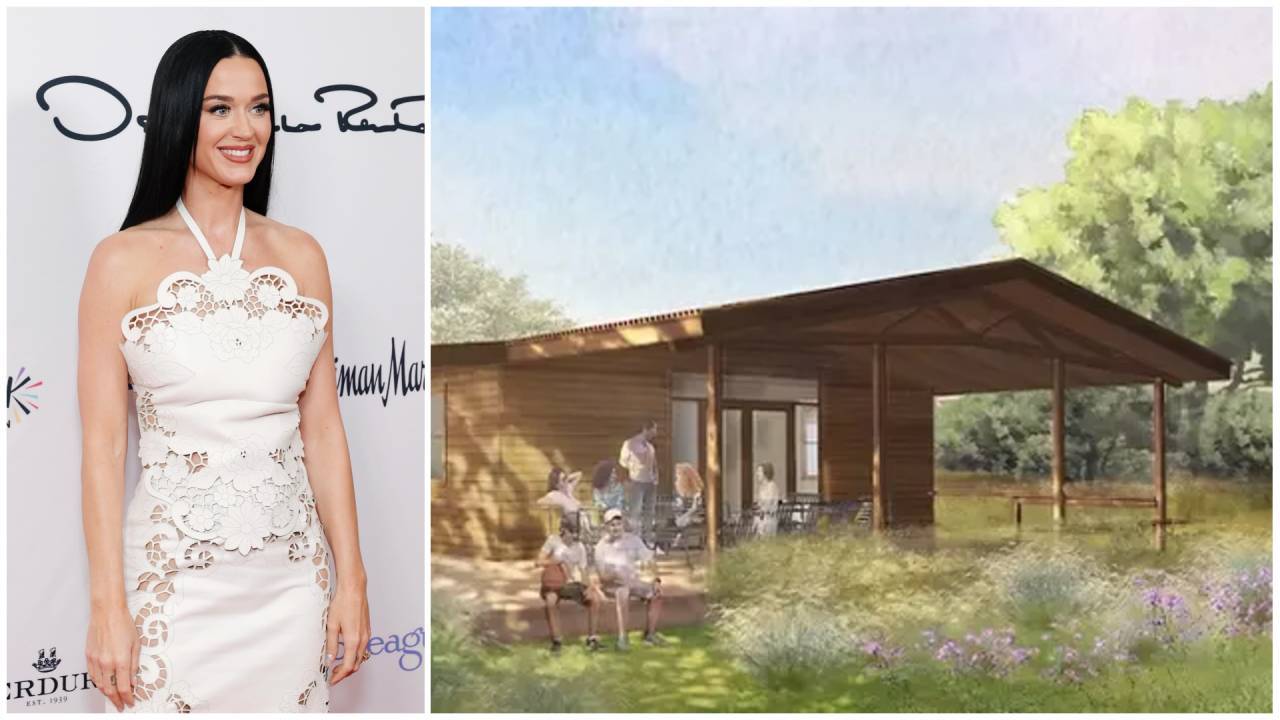
More than 360 neighbors signed a petition against a proposed 110-acre youth camp tied to Katy Perry in California. Predictable. Outrageous. Loud.
And almost entirely focused on the wrong target. For a deeper dive into similar topics, we recommend: this related article.
When a celebrity tries to turn a large rural parcel into a youth camp, the standard media script writes itself. You get a headcount of angry locals. You get quotes about traffic, noise, and safety. You get a neat little story about Hollywood excess colliding with quiet country life.
That lazy consensus misses the mechanics of how rural land conflicts actually work in California. A celebrity name acts like gasoline on a spark, sure. Without dry brush, though, nothing burns. The real story is not a pop star with a big checkbook and a dream of kids running through the trees. The real story is a broken rural land-use framework where neighbors treat every proposed change to an adjacent parcel as a personal theft, while developers and property owners routinely underestimate the bureaucratic moat surrounding agricultural and unincorporated land. For additional context on this development, extensive analysis can also be found on Wall Street Journal.
I have watched property owners, nonprofits, and high-net-worth buyers burn millions of dollars and years of momentum because they treated rural acreage like a blank canvas. You buy 100-plus acres in California and assume scale gives you freedom. Out there, scale often brings scrutiny. Every extra vehicle trip, every well pump, every septic line, and every group gathering triggers questions from people who bought quiet and now feel their peace is on the auction block.
Let us get clear on what people actually mean when they say "youth camp" in this context. A youth camp is not just tents, s'mores, and a banner at the gate. Under California county planning and zoning rules, a camp can mean conditional use permits, commercial or institutional classification, fire-code compliance, water availability reviews, road-impact assessments, and environmental review. Calling a project a youth camp does not hand you a free pass around zoning. It puts you right inside a category that local regulators examine closely because large groups of minors on rural land carry clear public-safety, emergency-access, and liability implications.
Imagine a scenario where a tech founder or a retired surgeon—zero pop fame, zero paparazzi—files plans for the exact same 110-acre youth camp on the same stretch of California countryside. Would 360 neighbors still push back? Probably. Rural communities routinely fight institutional and group uses that alter local character, strain narrow roads, or threaten scarce water. The difference is that when a household name is attached, the conflict gets national headlines and instant villains. Fame does not create the tension. Fame just turns a local zoning fight into a spectator sport.
The Question Everyone Asks Is the Wrong One
People read about 360-plus signatures and immediately ask whether Katy Perry has the right to build the camp or whether the neighbors are just NIMBYs protecting their views. Both questions are traps.
First, property rights in California do not exist in a vacuum. Owning 110 acres gives you broad rights, not unlimited rights. Zoning ordinances, county general plans, fire districts, water boards, and state environmental laws sit right next to your deed. Treating land ownership like absolute sovereignty is a fast way to lose at a planning hearing.
Second, calling 360 locals "NIMBYs" is lazy shorthand that explains nothing. Some people signing a petition care about genuine operational risks: single-lane rural roads, wildfire evacuation bottlenecks, groundwater draw, or noise from group activities. Others are reacting out of fear of change, status anxiety, or sheer dislike of outsiders bringing activity next door. Lumping legitimate infrastructure concerns together with knee-jerk resistance makes it harder to solve the actual friction points.
A sharper question is this: when a large parcel shifts from quiet private acreage to active group use, who absorbs the hidden costs, and how early did the project team address them?
What People Also Ask and Why the Usual Answers Fall Short
Do neighbors actually have the power to stop a 110-acre youth camp?
Signatures on a petition do not automatically kill a project, yet ignoring them is career suicide for a land plan. In California's unincorporated counties, decisions sit with planning staff, planning commissions, and boards of supervisors, subject to state statutes like the California Environmental Quality Act where applicable. Neighbors cannot vote a permit out of existence on their own, but large, organized opposition changes political temperature fast. Elected officials pay attention when hundreds of local voters show up angry about traffic, fire safety, or water. Petition power is political leverage, not legal veto power—and political leverage regularly delays, alters, or derails projects that were poorly introduced.
Is a youth camp really that disruptive on 110 acres?
On paper, 110 acres sounds huge. In practice, disruption depends on layout, access, and timing, not raw acreage. Put the camp entrance off a narrow, winding county road with blind curves, and twenty extra cars a day can feel chaotic. Put it near shared water tables in a dry year, and neighbors start doing math on their wells. Add weekend arrivals, deliveries, staff vehicles, and amplified sound or whistles, and the quiet that drew people to the area changes noticeably. Size alone does not absorb impact if infrastructure and buffers are weak.
Why do celebrity land projects always spark such fierce backlash?
Because fame collapses nuance. A celebrity carries instant projections—wealth, privilege, outsider status, publicity—that make locals feel outnumbered before a single site map is studied. Worse, high-profile buyers sometimes surround themselves with consultants who speak fluent planning jargon but zero local culture. When locals feel talked down to or left out until rumors fly, opposition hardens into identity. Once a project becomes a symbol of "outsiders taking over," facts take a back seat to emotion.
The Mechanics Behind Rural Land Blowback
Anyone who has spent real time in California land development knows the playbook that fails over and over. Step one: buy the land quietly or move through early design without building genuine local trust. Step two: unveil a big, noble concept—a youth camp sounds wholesome, charitable, and hard to argue against on paper. Step three: act stunned when neighbors dissect every flaw in the plan.
Wholesome intent does not override physical reality. A youth camp brings people, vehicles, waste, water demand, and emergency-response needs. Fire officials look at turnarounds, defensible space, and evacuation routes. Planning departments look at zoning compatibility and permitted or conditional uses. Neighbors look at their own daily lives and ask what changes on Tuesday afternoon and Saturday morning.
Urban thinkers often assume rural areas welcome economic activity and new ideas. Sometimes they do. Often they do not, especially in scenic or agricultural pockets where residents moved specifically to get away from crowds and commotion. Assuming gratitude because a project is aimed at kids is a classic mistake. Locals can support youth programs in general while opposing a specific facility right next to their fence line.
Look at urban-planning and land-use thinkers like Jane Jacobs or regulatory economists like William Fischel. Without getting bogged down in academic jargon, their core insight holds up relentlessly: homeowners and local residents organize fiercely around perceived threats to neighborhood character, property values, and public services. When a proposal touches those nerves, resistance is not a glitch in the system. It is a predictable feature of local politics.
Where This Contrarian Take Can Go Wrong
Pushing back against the "evil celebrity vs. innocent locals" narrative comes with its own blind spots. If I tell you to look past the celebrity angle and focus on zoning, roads, and local politics, I also have to admit where that view can miss the mark.
Sometimes opposition really is disproportionate, petty, or driven by hostility toward a famous figure rather than real environmental or traffic harm. Pretending every signature reflects a sober engineering critique would be naive. People exaggerate. Rumors spread fast in small communities and group chats. A small core of vocal opponents can whip up hundreds of signatures based on half-baked assumptions before real plans are even public.
There is also the risk of over-correcting into cynicism about youth initiatives. A well-run camp on large acreage can operate responsibly if it respects setbacks, road limits, fire rules, and water capacity. Treating every large-parcel camp as an automatic disaster ignores projects that do the hard homework and coexist peacefully.
How to Actually Move a Controversial Land Project Forward
If you are backing, advising, or managing a high-visibility rural land project—or simply trying to understand why plans like this stall—stop treating opposition as a PR problem to spin away. Treat it as a design and trust problem to solve early.
- Audit physical bottlenecks before hiring a publicist. Walk the access roads, check water capacity, map fire-access constraints, and review zoning rules cold. If the site has real friction points, slick messaging will not save it at a public hearing.
- Talk to adjacent and nearby neighbors before the rumor mill takes over. Vacuums get filled with worst-case guesses. Early, plain-spoken conversations with immediate neighbors and local civic voices—showing concrete limits on scale, hours, traffic, and safety—defuse a lot of fear before it turns into a 360-person petition.
- Design visible guardrails into the proposal from day one. Put real limits in writing: clear cap numbers, defined entry routes, quiet hours, fire-safety upgrades, and transparent water/well plans. People fight ambiguity harder than they fight clear boundaries.
- Separate legal entitlement from social license. Getting a permit or clearing a technical hurdle is not the same as living peacefully with your neighbors afterward. Even if a project has a legal path forward, long-term friction brings endless complaints, appeals, and headaches.
Outrage makes great headlines. Zoning dockets, road capacity, and early trust decide who actually builds.