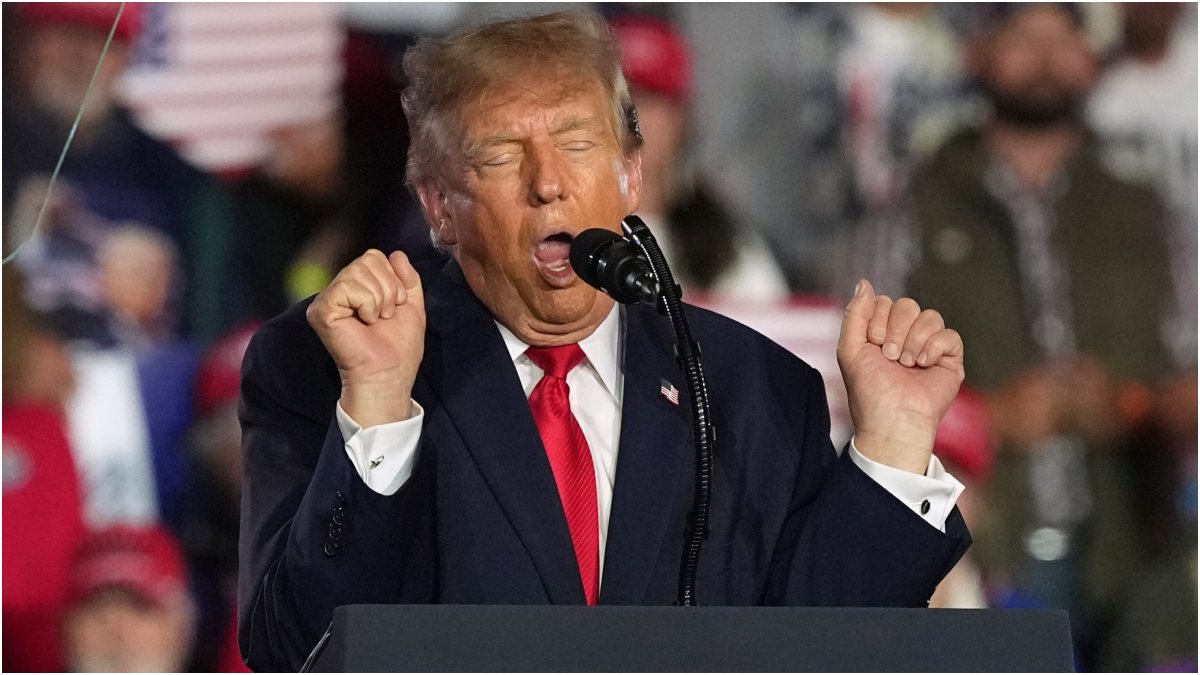
When voters delivered a decisive rebuke to the White House in the 2026 midterm elections, the immediate headlines focused on the loss of congressional control and the legislative paralysis awaiting Donald Trump’s final two years. Yet the most consequential casualty of that November rout was not on the ballot. Vice President JD Vance entered the midterm cycle positioned as the undisputed heir apparent to the MAGA movement, armed with institutional backing and a clear runway toward the 2028 Republican presidential nomination. By the morning after the election, the structural foundation of that succession plan had fractured, leaving Vance tethered to an unpopular administration while simultaneously facing growing skepticism from the very populist base he was chosen to inherit.
Political gravity rarely spares a sitting vice president during a wave election. History is ruthless on this point. When a president’s party suffers heavy losses in a midterm cycle, the second-in-command absorbs the institutional blame without possessing the executive authority to alter the administration's course. For Vance, the damage runs deeper than standard historical headwinds. His entire political brand was built on a specific promise—that a fusion of economic populism, aggressive trade protectionism, and cultural grievance could permanently realign the American working class behind the Republican Party. The 2026 results exposed the fragility of that coalition when tested against the realities of governing.
The Illusion of the Permanent Realignment
For years, conservative strategists argued that the Rust Belt and non-college-educated voters had permanently shifted rightward. Vance was the intellectual architect of this thesis. Before joining the ticket, he spent years articulating a post-liberal conservatism that rejected free-market orthodoxy in favor of industrial policy and border restrictionism. When Trump selected him as his running mate in 2024, the move was widely interpreted as a generational handoff—a signal that Trumpism would outlive Trump himself.
Governing, however, strips away ideological elegance. Over the past two years, the administration’s economic agenda ran headlong into persistent consumer frustration over the cost of living, supply chain disruptions tied to sweeping tariff implementations, and erratic policy rollouts that rattled domestic markets. Voters who backed the ticket in 2024 expecting immediate financial relief found themselves confronting a complex macroeconomic reality that resisted simple slogans.
In the key battleground states that decide presidential elections—Pennsylvania, Michigan, and Wisconsin—the midterm electorate did not merely stay home. Independent voters and soft Republican leaners actively swung back toward Democratic candidates, punishing the administration for economic instability and legislative gridlock. Vance, having served as the administration’s most visible surrogate across Sunday news shows, podcasts, and campaign rallies, became the primary messenger for policies that voters ultimately rejected at the ballot box.
You cannot spend twenty-four months defending every tariff, every executive order, and every controversial appointment without owning the electoral receipt when the bill comes due.
The Surrogate Trap and the Limits of Loyalty
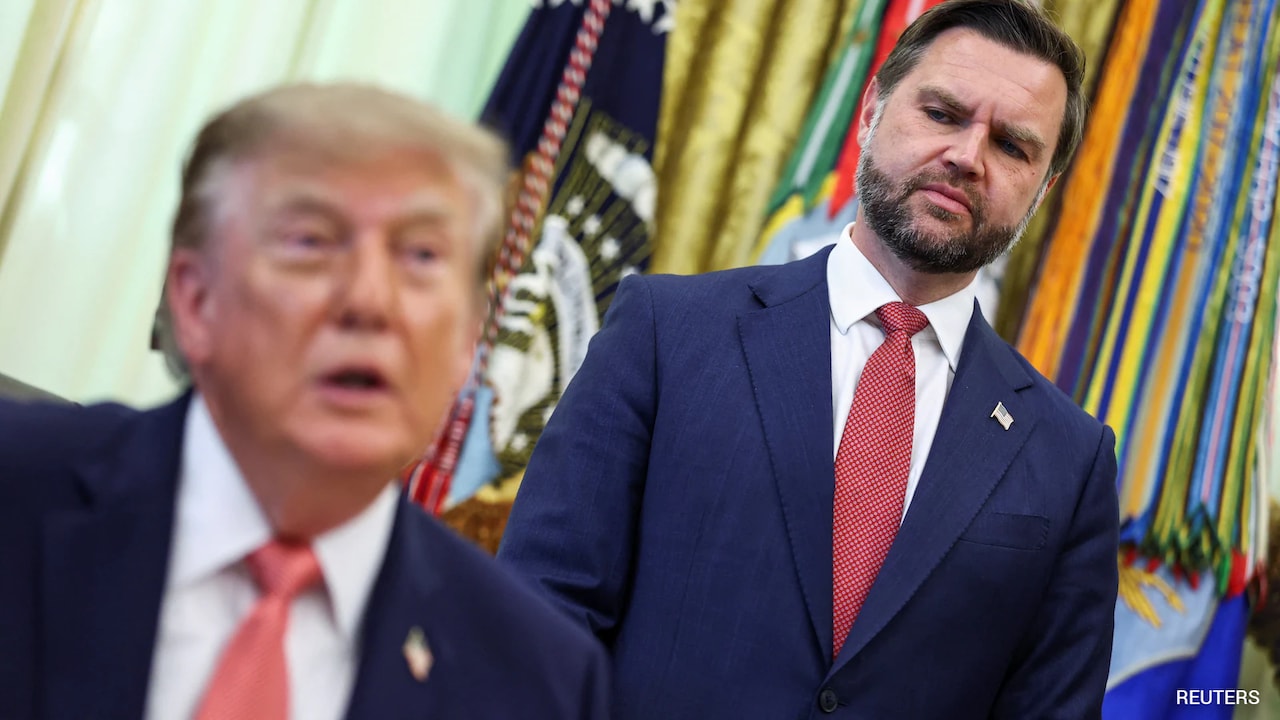
Vice presidents operate inside an inherently asymmetrical political arrangement. Their survival depends entirely on maintaining the absolute trust of the president, which requires total public alignment. Any daylight between the Oval Office and the Naval Observatory is instantly seized upon by the press and rival factions within the party as disloyalty.
Vance understood this rule better than most, and he executed the role of loyal deputy with relentless discipline. Unlike Mike Pence, who maintained a distinct, traditional conservative identity alongside Trump, Vance merged his public persona entirely with the president’s. He adopted Trump’s combative rhetorical style, defended the administration’s most polarizing cultural battles, and aggressively attacked critics within the GOP.
That strategy worked brilliantly to secure his standing inside the White House. It proved disastrous for his insulation against a midterm backlash. Because Vance positioned himself not as a moderating counterweight or an independent thinker, but as the pure ideological amplifier of the president, he forfeited the ability to distance himself from the administration's missteps.
Consider the mechanics of modern primary politics. If the economy stagnates through 2027 or if the administration becomes bogged down in endless congressional investigations following the Democratic takeover of the House, Vance cannot credibly run in 2028 as an agent of change. He is the incumbent administration’s chief defender. Yet if he attempts to subtly recalibrate his message or signal a departure from Trump’s preferred policies, he risks triggering the exact kind of public repudiation from the president that destroys Republican primary candidates overnight.
Why the MAGA Base is Looking Elsewhere
The conventional wisdom in Washington holds that even if Vance struggles in a general election, his grip on the Republican primary electorate remains unbreakable. That assumption ignores how populist movements actually function when they lose momentum.
Populism thrives on strength and the perception of inevitability. Trump’s hold over the GOP base was forged through a singular combination of celebrity, perceived personal wealth, and a track record of defying political norms to win against impossible odds. Vance possesses the ideological fluency of the movement, but he lacks the unique personal magnetism that allowed Trump to survive political defeats that would have ended any other career.
Following the 2026 losses, whispers of discontent began surfacing among conservative media figures and grassroots organizers—not directed at Trump, who remains largely immune to blame among his core supporters, but at the strategists and lieutenants who managed the midterm message. In the ecosystem of right-wing media, someone always has to take the fall for a loss. Because Trump cannot be faulted without shattering the foundational myth of the movement, the blame inevitably migrates downward toward his surrogates and designated successors.
Vance’s background—an Ivy League-educated former venture capitalist who transitioned into a populist firebrand—was easily overlooked when the movement was winning. In the aftermath of a painful electoral defeat, those same biographical details become vulnerabilities that rival 2028 contenders will ruthlessly exploit.
The Shadow Primary Has Already Begun
The morning after a midterm rout is the unofficial starting gun for the next presidential cycle, and the field of ambitious Republicans waiting in the wings has grown noticeably bolder. Governors who avoided the direct fallout of Washington dysfunction now hold a distinct structural advantage over a vice president tied to the West Wing.
Take the positioning of figures like Glenn Youngkin, Brian Kemp, or Ron DeSantis, alongside emerging Senate voices who maintained strategic distance from the administration’s thorniest battles. Their pitch to Republican donors and primary voters writes itself—they can offer the core policy achievements of the conservative movement without the exhausting political chaos and general-election toxicity that cost the party the House and key Senate seats in 2026.
Even within the populist lane, Vance no longer enjoys a monopoly. Other ambitious conservatives are already testing variations of economic nationalism that emphasize competence and execution over ideological purity. Donors who poured millions into the 2024 and 2026 cycles are notoriously unsentimental when evaluating return on investment. When a political brand underperforms in swing districts, checkbooks close quickly, and the search for a more viable general-election vessel begins in earnest.
The Structural Burden of the Modern Vice Presidency
To fully grasp the bind Vance faces, one has to look at the broader historical record of sitting vice presidents seeking promotion. Over the last century, only George H.W. Bush in 1988 successfully won the presidency directly from the vice presidency—and he did so riding the coattails of a popular two-term president during a period of strong economic expansion and Cold War triumph.
Far more common is the fate of figures like Hubert Humphrey in 1968, Al Gore in 2000, or Kamala Harris in 2024. Each was weighed down by the accumulated grievances of the administration they served, forced to defend a record they did not entirely control while struggling to articulate a forward-looking vision that felt distinct from the status quo.
Vance faces an even steeper climb than his predecessors because the modern media environment accelerates political wear and tear. Through constant appearances on podcasts, cable news, and social media, Vance has achieved near-total saturation among the electorate just two years into his term. There is no mystery left to his candidacy, no untapped reservoir of goodwill waiting to be introduced to swing voters in 2028. By the time the primary debates begin, voters will have already formed rigid, deeply entrenched opinions about him—opinions heavily colored by the dissatisfaction that drove the 2026 midterm results.
The Unforgiving Math of the Next Two Years
With Democrats controlling the levers of congressional oversight, the second half of the Trump administration will inevitably shift from legislative ambition to defensive trench warfare. Subpoenas, budget standoffs, and protracted confirmation battles will dominate the news cycle. For a vice president trying to build a presidential resume, this environment is toxic.
Instead of presiding over major policy victories or ribbon-cutting ceremonies for revitalized American manufacturing, Vance will spend the next twenty-four months managing political crises, breaking tie votes on narrow procedural measures, and defending the administration against daily investigative headlines. Every news cycle consumed by Washington infighting reinforces the exact narrative that drove suburban and independent voters away from the GOP in November.
The harsh reality of American politics is that proximity to power is only an asset when the power is popular. When the public sours on an administration, the vice president becomes a lightning rod for every frustration voters feel toward Washington. Donald Trump, constitutionally barred from running again in 2028, can weather a midterm defeat by leaning into his legacy and preparing for his eventual exit from the political stage. JD Vance has no such luxury. He has to run on the wreckage.